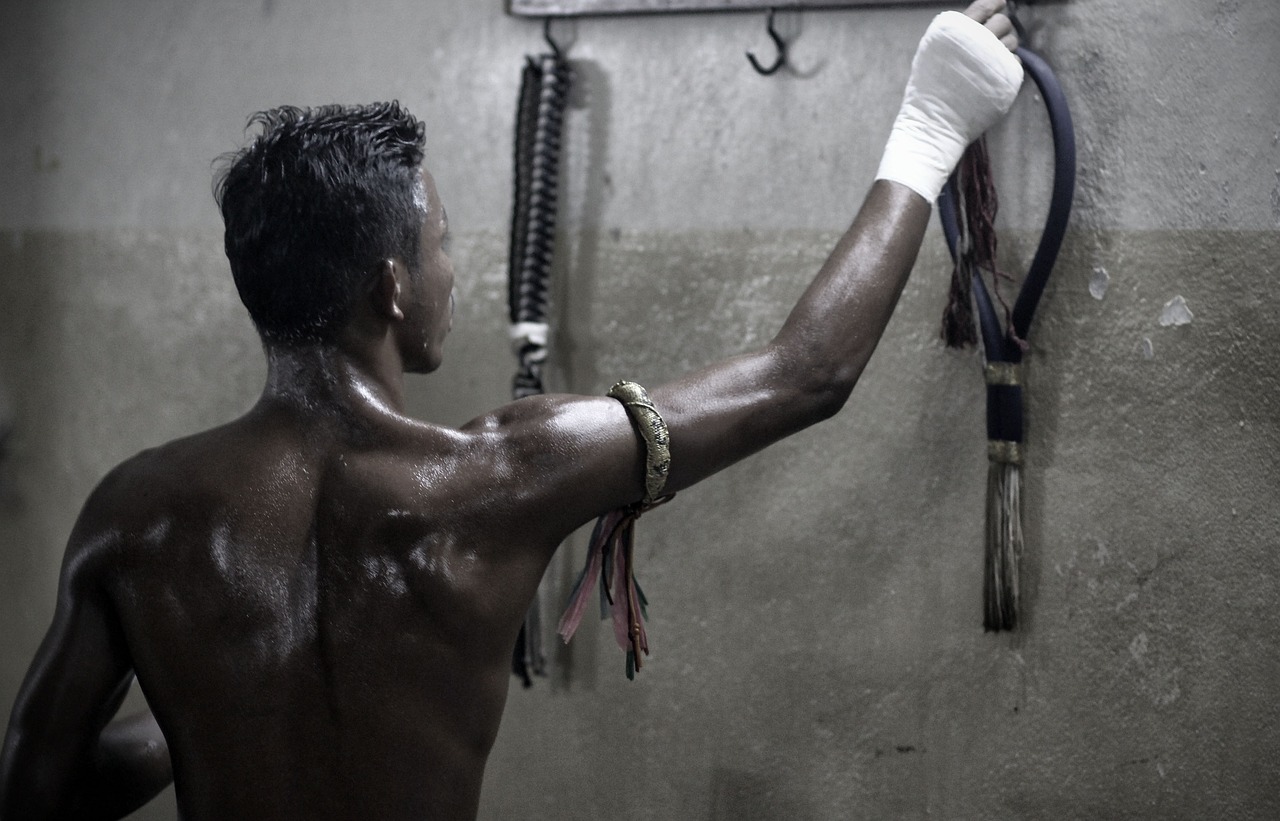

Combining Muay Thai with Other Martial Arts for Self-Defense
Muay Thai, often referred to as the “Art of Eight Limbs,” combines punches, kicks, elbows, and knee strikes. It’s an effective and powerful martial art, especially when integrated with other styles. When combining Muay Thai with disciplines like Brazilian Jiu-Jitsu (BJJ), practitioners can develop a well-rounded approach to self-defense. BJJ emphasizes ground fighting and submissions, which complements Muay Thai’s striking techniques. This hybrid training allows practitioners to understand both stand-up striking and grappling. Additionally, integrating techniques from Krav Maga can enhance self-defense strategies. Krav Maga shapes Muay Thai strategies to address common street attacks and provides practical solutions for real-world scenarios. Furthermore, consider Karate, which offers strong stances and disciplined movements. Merging Karate’s traditional techniques with Muay Thai’s fluidity creates a unique fighting style. Inclusion of Western Boxing can also heighten one’s striking efficiency and head movement. Each martial art has its strengths, so understanding how to blend them can lead to superior self-defense strategies, ensuring that a martial artist is prepared for a variety of situations, whether on the ground or standing.
The Importance of Versatility in Self-Defense
One of the primary advantages of combining Muay Thai with other martial arts is versatility. In real-world confrontations, a single fighting style may not suffice. By integrating varying techniques, self-defenders can adapt to different situations. For example, a Muay Thai practitioner that also practices Judo can effectively handle situations that go to the ground. Judo teaches how to throw an opponent using leverage, which can be incredibly useful in certain self-defense scenarios. Similarly, practitioners of Taekwondo can enhance their kicking techniques, adding speed and precision to Muay Thai strikes. Such integration creates a more lethal arsenal, allowing practitioners to mix and match techniques based on the attack type. Each martial art brings unique elements that, when combined intelligently, amplify overall combat effectiveness. Moreover, understanding multiple styles can boost confidence in various confrontations. This confidence can significantly impact one’s ability to react. Remember, in self-defense, staying calm and collected is essential, which is further amplified by knowing multiple styles of fighting. Ultimately, improved versatility not only enhances effectiveness but also enriches the practitioner’s martial arts journey.
Incorporating self-defense applications from various martial arts requires dedicated training and practice. The fusion with Muay Thai is about more than just strikes; it’s about developing a fighter’s mindset. The psychological aspect of martial arts plays a significant role in effective self-defense. Recognizing potential threats and knowing how to respond is crucial. Techniques from disciplines such as Systema can be beneficial. Systema emphasizes movement and breathing, teaching practitioners how to remain relaxed under pressure. Such a mindset complements the aggressive elements of Muay Thai, helping practitioners remain grounded. Training with various self-defense techniques can also facilitate enhanced situational awareness. This awareness proves vital, especially when considering possible attacks. Martial arts instructors often create drills that allow students to simulate different attack scenarios, ensuring adaptability. Learning to read an opponent’s movements helps one anticipate strikes, allowing for timely counters. The integration encourages students to explore their strengths and weaknesses within various styles, fostering a holistic development. Engaging in cross-training builds a strong foundation for defensive tactics. Ultimately, the goal is to equip oneself with an array of techniques capable of tackling any fighting need.
Combining Striking and Grappling Techniques
Understanding the significance of both striking and grappling in martial arts can bolster self-defense capabilities. Muay Thai supplies effective striking tools, but it’s essential to know how to handle situations that involve ground combat. Integration with wrestling offers a unique advantage in such scenarios. Wrestling techniques can effectively control an opponent, allowing for quicker escapes or strikes if needed. This control can give practitioners an upper hand when facing multiple attackers or an aggressor who takes them to the ground. Additionally, using techniques from mixed martial arts (MMA) can round out one’s training. MMA combines elements of striking and grappling, emphasizing how to effectively transition between both styles, which is crucial in real-life confrontations. Learning defense against takedowns while providing strikes can render an individual far more formidable. Transitioning between the striking distance of Muay Thai and the clinching and grappling techniques of wrestling can create opportunities to effectively defend oneself in various situations. All students should remain active, learning techniques from both striking and grappling disciplines for comprehensive preparedness.
When it comes to actual self-defense situations, adaptability stands as a critical factor for success. Practical techniques derived from various martial arts can assist practitioners in staying prepared for diverse aggressions. The training should prioritize realistic training scenarios mimicking potential street encounters. Incorporating movements from multiple martial arts prepares individuals for unpredictable circumstances. Students may experience resistance training – simulating a dynamic attack situation where they must adopt strategies from Muay Thai and other styles. Furthermore, self-defense classes should focus on practical applications rather than overly complicated techniques. After all, self-defense should be straightforward and effective in real-life scenarios. Thus, simplicity and efficiency are paramount. Using Muay Thai’s strong strikes combined with other techniques can simplify the learning process. The most effective movements consistently utilize basic principles, making the integration of martial styles a valuable journey of growth. Each martial art studied enhances the depth of a practitioner’s skill set. Relying on simplicity minimizes the chances for errors during an incident, allowing instructors to focus on essential skills that yield the best results in self-defense situations.
Building Confidence through Mixed Training
Lastly, engaging with different martial arts fosters a profound sense of self-confidence that transcends the dojo. As practitioners discover new skills and hone existing techniques, they cultivate a sense of mastery and self-efficacy. Training in multiple disciplines enables them to experience success across various aspects of martial art, leading to personal growth. The challenges faced during this training journey contribute significantly to overall confidence. Overcoming difficulties in striking, grappling, or various sparring scenarios prepares an individual mentally and physically for the unexpected. Confidence gained from mastering techniques from diverse styles considerably enriches self-defense practices. Knowing one can adapt to different fighting styles offers reassurance when confronted with aggression. Additionally, access to diverse training environments helps in understanding the dynamics of fights more effectively. Engaging in a variety of martial arts fosters respect, humility, and discipline. These virtues further establish the mindset required to effectively handle confrontations. As they progress through their martial arts journey, students not only develop fighting skills but also cultivate a resilient attitude towards personal challenges encountered throughout life.
In conclusion, combining Muay Thai techniques with other martial arts trains an individual for exceptional self-defense capabilities. The journey encompasses physical training, mental adaptability, and versatility. Engaging in mixed martial arts training emphasizes a fluidity of approaches, enriching an individual’s martial arsenal. Practitioners should immerse themselves in elements of striking and grappling to adapt to various self-defense scenarios effectively. Understanding the strengths, weaknesses, and unique features of each martial style is vital for self-defense preparedness. This combination not only broadens one’s skill set but enhances overall self-confidence, enabling practitioners to handle aggressive situations with ease. The growth experienced in these trainings empowers individuals to maintain their composure during potentially harmful encounters. The importance of practical and applicable techniques cannot be understated for self-defense. Moreover, the respect and mental discipline gained through martial arts training create stronger individuals capable of facing life’s challenges. Ultimately, forging connections between Muay Thai and various martial arts cultivates an enriched self-defense strategy. This culminates in a well-rounded approach ready to tackle any encounter the practitioner might face.