
Eco-Friendly Practices for Responsible Snorkelers
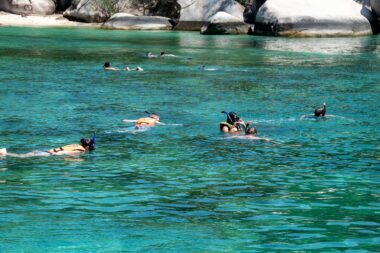
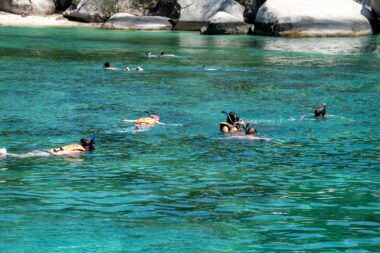
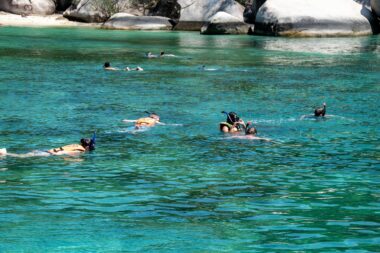
Snorkeling offers a unique way to explore the breathtaking beauty of underwater ecosystems. However, it is essential for snorkelers to adopt eco-friendly practices to preserve marine life and habitats. Firstly, wearing biodegradable sunscreen is crucial. Regular sunscreens contain harmful chemicals, which damage coral reefs and other marine organisms. By switching to a reef-safe alternative, you can protect the ocean while enjoying your time snorkeling. Additionally, avoid touching corals and other marine life. Even a light touch can harm delicate organisms, so always keep a safe distance. This not only protects the fauna but allows for an authentic experience. Always be mindful of your fins; a kick can disturb sediment and suffocate coral. Consider using a flotation device to restrict movements when in the water, minimizing any potential damage. Lastly, always abide by local regulations and guidelines, as they are in place to ensure the health of marine environments. Educating yourself on local ecosystems can offer insights into the importance of preservation and conservation. Every small action can significantly impact the preservation of our oceans.
Choosing Appropriate Equipment
To practice responsible snorkeling, it is important to choose the right equipment. Opt for high-quality, eco-friendly snorkeling gear that will last for many seasons. Consider investing in a snorkeling mask with an anti-fog coating to minimize waste through repeated disposables. Additionally, using a snorkel with a built-in dry top prevents water from entering, enhancing your overall experience and safety. When purchasing equipment, prioritize brands that are committed to sustainable practices and do not harm marine life through their manufacturing processes. Wearing a wetsuit made from sustainable materials not only aids in buoyancy but also protects your skin from any potential irritants in the water. Look for options that are designed specifically for the warmer waters, as they tend to be lighter and more comfortable. For fins, select ones that are not overly large; they should offer a good balance between propulsion and control. Finally, be sure to keep your gear clean and free from harsh chemicals that could leach into the ocean. Regular maintenance extends the life of your equipment while also demonstrating a commitment to environmental care.
Before entering the water, it’s best to check conditions and respect the local environment to ensure your safety and the wellbeing of marine life. Monitoring weather patterns, currents, and visibility helps you select the ideal time and location to snorkel. Local marine life thrives in specific conditions, and being informed can also ensure you witness the best that the ecosystem has to offer. An essential part of snorkeling responsibly is choosing areas that allow for exploration without damaging coral habitats. Specifically, opt for established snorkeling trails provided by local ecotourism companies. These trails are designed to guide snorkelers and protect delicate ecosystems. Moreover, many of these companies provide educational opportunities about local marine conservation efforts. Participate in workshops or guided tours to learn how to minimize human impact while enjoying underwater excursions. Another important aspect is to utilize biodegradable bags to store your belongings on dry land. This practice ensures that any waste generated doesn’t end up in the marine environment. Respecting local wildlife and habitats allows both the ecosystem and snorkelers to thrive in harmony.
Contributing to Local Conservation Efforts
As an avid snorkeler, you can actively participate in local conservation efforts through various activities. For instance, consider volunteering for beach clean-ups organized by local environmental organizations. Cleaning up marine debris not only benefits the ocean but dramatically improves the quality of the water you snorkel in. Further, engaging with conservation groups can provide insights into other ways to contribute, such as advocacy and education. Many organizations also provide educational courses about marine ecosystems, teaching snorkelers about the importance of preserving biodiversity. Providing resources to snorkelers promotes awareness and fosters a community dedicated to environmental stewardship. You might also want to participate in citizen science programs, where snorkelers document marine species or environmental conditions. This data helps contribute to ongoing research and conservation efforts. When booking snorkeling tours, seek out companies that prioritize sustainability and contribute a portion of their profits to conservation projects. This small choice can lead to larger impacts in safeguarding marine environments. Remember, creating awareness amongst fellow snorkelers about responsible practices amplifies the collective effort of protecting our oceans.
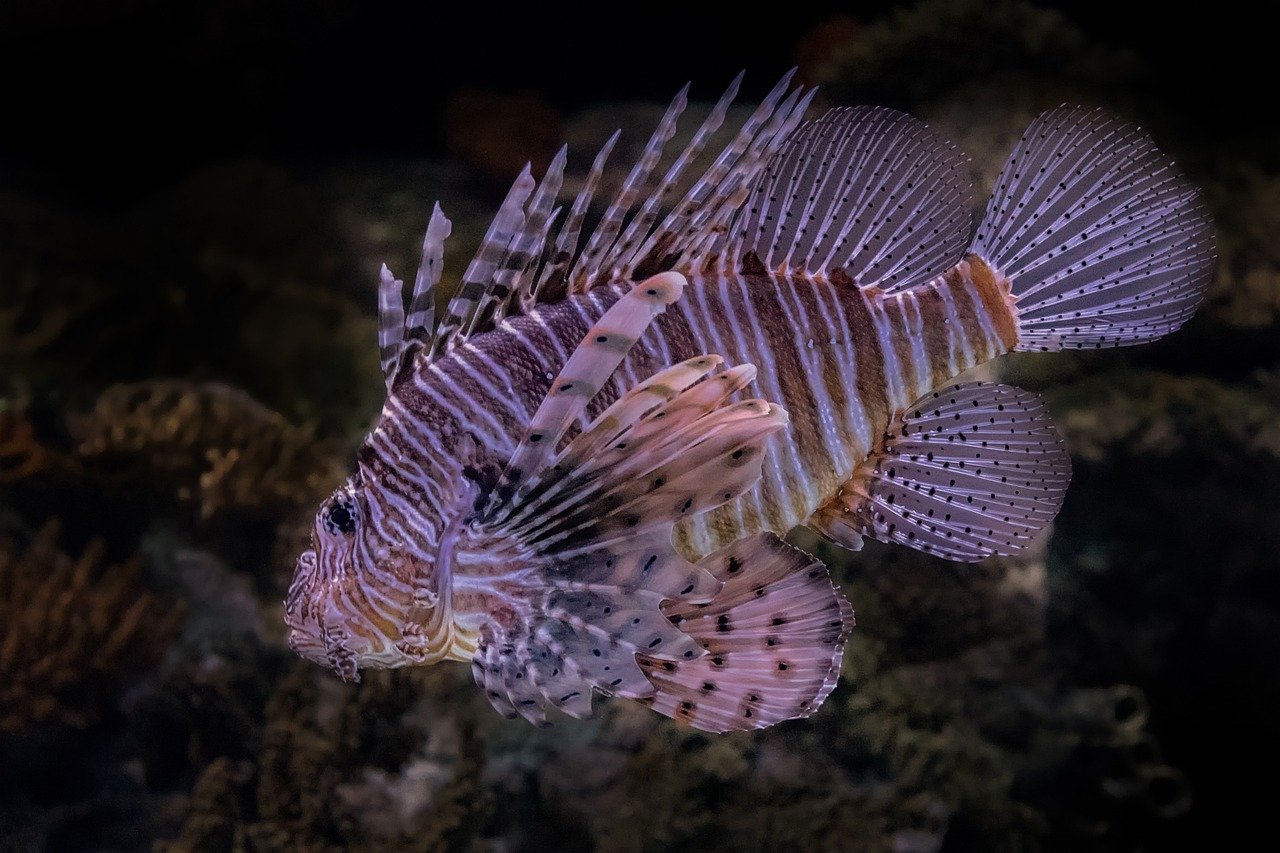
A significant component of responsible snorkeling is understanding the impact your actions can have on aquatic ecosystems. For this reason, it is advisable to avoid feeding fish or other marine animals. This practice can alter their natural behavior and make them reliant on human-generated food. It can also create inconsistencies in their natural diet, which may harm their health in the long run. Additionally, refrain from taking seashells or any marine life from the ocean. Both actions disrupt the fragile balance of underwater ecosystems. Educate yourself on the natural habitats of the fish and the role they play in ecosystem dynamics. An intriguing thing to experience while snorkeling is observing fish in their natural state without disturbance. Moreover, consider creating a photo journal of your snorkeling adventures, documenting the beauty of the places you visit. This practice not only enhances personal memories but encourages reflection on the diversity found beneath the surface and awareness of the need to preserve it. Sharing such visuals and experiences through social media can inspire others to appreciate marine life and participate in conservation efforts.
Respecting Wildlife Through Observation
Respecting wildlife while snorkeling entails observing creatures while maintaining a safe and respectful distance. It is crucial to appreciate marine life in its natural state without causing stress or disruption. For instance, if you encounter turtles or rays, avoid chasing or touching them; doing so can lead to harm or distress for these creatures. Always prioritize their wellbeing over the excitement of close encounters. If possible, watch their behavior calmly from a distance, taking care not to interfere in any way. Additionally, steer clear of nesting sites or breeding areas. These regions are often fragile, and disturbance during critical times can have long-term repercussions on populations. Observers should also be cautious when swimming through schools of fish, as sudden movements can provoke the fish and disrupt their natural dynamics. Utilize snorkeling etiquette by signaling to your group when you see something spectacular, rather than loudly vocalizing excitement. This approach diminishes noise pollution and maintains a peaceful underwater environment conducive to all. Taking a moment to appreciate the vibrant ecosystems can deepen your connection to nature and reinforce the importance of safeguarding it.
Finally, post-snorkeling practices also contribute to a responsible approach to marine conservation. After each snorkeling adventure, ensure that you rinse off your gear and body using environmentally friendly soap. This will help remove any contaminants on your skin that could leach into the water after the experience. Store your equipment properly to extend its lifespan and reduce waste. As you develop your snorkeling practices, be sure to advocate for eco-friendly policies and practices in your community. Raising awareness can lead to collective changes in behaviors, enabling more significant strides toward ocean health. Sharing experiences and knowledge with others can motivate fellow snorkelers to adopt eco-friendly practices, fostering a culture of environmental stewardship. Attend local town meetings or join community groups dedicated to environmental protection, further supporting marine conservation efforts. Together, these actions not only promote responsible snorkeling but also help in preserving aquatic ecosystems for future generations. Ultimately, each responsible snorkeler plays a crucial role in nurturing and protecting the delicate treasures of the ocean while exploring its wonders.
Conclusion
In conclusion, practicing eco-friendly snorkeling is about balance, respect, and appreciation for the marine environments. Ensuring the beauty and health of our oceans necessitates collective efforts from every snorkeler that enjoys the underwater world. By adopting sustainable practices regarding equipment, taking care of the ocean, educating ourselves, and optimizing our outings, we make a meaningful difference. As snorkelers, we have the power to protect and preserve precious ecosystems by leaving only bubbles and some unforgettable memories behind. These practices allow us to experience the joys of snorkeling while minimizing negative impacts on wildlife and their habitats. Educating ourselves about local ecosystems also fosters appreciation and enhances our snorkeling adventures. Every visit to the ocean becomes an opportunity to witness the vibrant tapestry of marine life while playing a role in conservation. Remember, snorkeling isn’t solely about thrilling encounters but also about responsibility and stewardship. We must ensure that our actions support the ocean’s health and beauty for generations to come. Let’s embark on our underwater adventures with mindfulness, enthusiasm, and a commitment to preserving the wondrous world beneath the waves.