
Exploring the History of BMX Riding
BMX riding has evolved significantly since its inception in the early 1970s, transforming from simple bike racing to a global phenomenon encompassing various styles. The sport emerged in California, where young riders began emulating motocross tricks and races in backyards and local parks. As interest grew, so did the demand for specialized bikes, leading to manufacturers designing lighter, more durable frames. The first competitions were primarily informal, allowing riders to showcase their skills and creativity. BMX riding proliferated rapidly, becoming organized with local clubs and competitions by the mid-1970s. This paved the way for standardized events and formats, leading to the creation of the American Bicycle Association (ABA) in 1977, focusing on racing. Over time, BMX gained traction worldwide, encouraging the formation of regional leagues and international events. In 1986, BMX racing was included in the X Games, boosting its popularity amongst extreme sport enthusiasts. Today, BMX encompasses various disciplines, including racing, freestyle, and park riding, attracting riders of all ages. Its thrilling tricks and community spirit continue to inspire a new generation of riders in pursuit of adventure.
The Rise of BMX Competitions
The establishment of BMX competitions in the late 1970s played a crucial role in promoting the sport. Events like the first National BMX Championship in 1977 showcased incredible skill and talent among participants, drawing attention to BMX riding. These races introduced a more structured environment for riders to compete, fostering camaraderie and sportsmanship. As more competitors joined, the events began to grow in scale, inspiring local communities to invest in BMX tracks and facilities. Innovations in bike technology enhanced performance, making races faster and more exhilarating for spectators and riders alike. In the 1980s, BMX events were characterized by their colorful and vibrant atmosphere, featuring live music and merchandise. The increasing popularity eventually led to major sponsorship deals which further professionalized the sport, enabling elite riders to make a living from their passion. Organizations like the National Bicycle League (NBL) and the International Cycling Union (UCI) began to oversee regulations and ensure fair competition. By the end of the decade, BMX was fully integrated into the extreme sports culture and was recognized as a premier racing event at various competitions, setting the stage for its future.
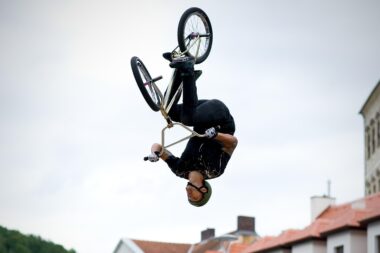
Additionally, BMX freestyle riding emerged during this time as a distinct discipline, focusing on performing tricks and stunts, rather than traditional racing formats. This led to the establishment of trick competitions and showcases, where creativity took center stage. The initial freestyle events consisted of basic tricks, but as riders pushed their limits, new styles and techniques developed. Street, vert, and flatland became separate categories, further diversifying the sport and allowing riders to express their individuality. Freestyle events attracted a mix of participants, some transitioning from racing and others drawn purely to the artistic aspects of riding. The introduction of competitions like the X Games and the Vans BMX Pro Cup solidified BMX freestyle’s position in extreme sports. With sponsorships from renowned brands, talented riders, including Mat Hoffman and Dave Mirra, gained fame, captivating audiences worldwide. The growing presence of media coverage played a vital role in revolutionizing freestyle riding, drawing in sponsorships and elevating the popularity of iconic riders. The collective passion of riders, alongside the integration of new styles, played a pivotal role in shaping the BMX culture we recognize today.
As BMX riding progressed, it became a global movement, represented by passionate enthusiasts from every corner of the world. The introduction of BMX into the Olympic Games in 2008 signified its acceptance as a mainstream sport, further elevating its status. National governing bodies emerged in different countries, focusing on developing youth programs and fostering talent at grassroots levels. This allowed BMX to flourish, providing opportunities for young people to engage in physical activity while building confidence and discipline through competitive racing. Furthermore, the sport’s inclusivity and adaptability attracted individuals from diverse backgrounds, reinforcing its global appeal. Local communities embraced BMX by building more parks and tracks, providing a safe space for riders to practice their skills. Social media played a significant role in uniting riders and organizing events, encouraging cross-border friendships among fans and enthusiasts. BMX culture took inspiration from various artistic influences, including street art and music, further developing its unique identity. Riders often share videos and tutorials online, contributing to a supportive community that celebrates talent, creativity, and dedication.
The Evolution of BMX Bikes
The evolution of BMX bikes mirrored the sport’s development, with continual innovations enhancing performance and safety. Early BMX bikes featured basic designs with minimal modifications, primarily using frames from traditional bicycles. As the sport grew, bike manufacturers recognized the need for specialized equipment tailored for BMX riding. Lightweight materials, such as aluminum and chromoly steel, became prevalent, allowing for improved maneuverability and durability. The introduction of advanced tire technology led to better grip and shock absorption, enhancing the overall riding experience. By the 1980s, BMX bikes boasted features like pegs for tricks, gyro systems for seamless bar spins, and reinforced frames for high-impact landings. Each advancement not only improved bike performance but also encouraged riders to push their limits and explore new tricks. Additionally, bike customization became a popular trend, with riders personalizing their bikes to reflect their unique style. With the rise of BMX parks and street riding, bikes adapted to accommodate various terrains while maintaining integrity and performance. Today, BMX bikes are engineered with cutting-edge technology, ensuring that they meet the demands of both competitive and recreational riders.
BMX riding has had a profound cultural impact, influencing fashion, music, and lifestyle choices among younger generations. The sport’s vibrant community has fostered a rich culture defined by self-expression, creativity, and friendship. Riders often embrace unique styles, showcasing their personality through bike modifications and clothing. Brands catering to BMX enthusiasts, like Vans and Monster Energy, have emerged, promoting events and riders to elevate the culture. BMX films and documentaries have gained popularity, capturing the exhilarating world of tricks and races. Notable movies such as “BMX Bandits” feature iconic stories that intertwine BMX riding with youthful adventure, helping to solidify the sport’s cultural relevance. Festivals and competitions have become gatherings for riders, fans, families, and brands, advancing the ever-evolving BMX scene. The influence of BMX extends beyond riding; it has inspired art, music, and skateboarding, shaping youth subcultures worldwide. In the digital age, social media platforms allow riders to connect, share their stories, and build a global network, thereby creating a legacy that inspires future generations. This cultural exchange empowers young people to pursue their passions, embracing the timeless spirit of the BMX lifestyle.
The Future of BMX Riding
Looking ahead, the future of BMX riding appears promising, with continued growth and evolution on the horizon. The expansion of global participation, supported by youth programs and community initiatives, will further solidify BMX as a major sporting discipline. Upcoming events, including the World Championships and the Olympics, will continue to fuel interest and elevate competition levels. Furthermore, technological advancements in bike design and safety gear will contribute to improved riding experiences. Innovations in e-bikes and electric-assisted BMX are gaining attention, attracting a new audience eager for unique thrills. Environmental sustainability initiatives will likely gain importance in the skatepark industry, ensuring that future generations can enjoy BMX riding in eco-friendly environments. As the influence of social media expands, riders will have more platforms to showcase their skills and share experiences with a wider audience, thus inspiring newcomers. BMX will increasingly align with charitable efforts, using its platform to promote social causes and community betterment. Overall, the future of BMX riding looks bright, fueled by passion, innovation, and community.
In conclusion, BMX riding’s journey has been nothing short of extraordinary, transcending its humble beginnings to become a global sport. The intertwined history of racing and freestyle riding has enriched the culture, fostering a community where creativity and competition coexist. From grassroots competitions to Olympic recognition, BMX has established itself as a vibrant and inclusive sport, shaping the lives of many around the world. The evolution of bikes and riding styles has enabled riders to push boundaries while inspiring endless innovation. Today, BMX provides an avenue for young individuals to engage in physical activity while forming lasting friendships. Moreover, the cultural influence of BMX extends far beyond the tracks, impacting fashion and lifestyle choices among youth globally. As we venture into the future, BMX riding will continue to thrive, bolstered by community support, technological advancements, and a diverse range of participants. The sport’s enduring legacy is one of adventure, camaraderie, and spirit, ensuring it remains a beloved pastime for generations to come. Advocates for the sport will continue their efforts to nurture its growth, promoting accessibility and inclusivity, which fuels the passion of riders and fans alike.