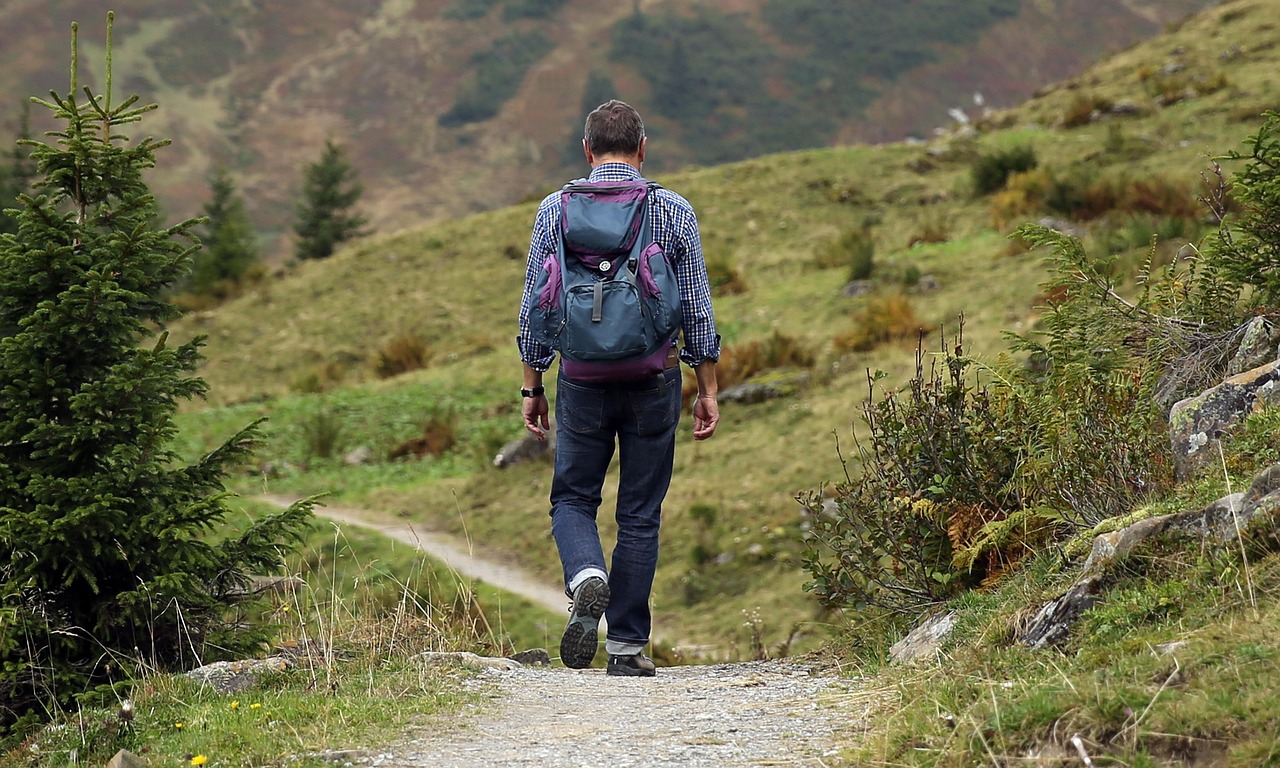

Fitness Challenge: Preparing for a Multi-Day Hiking Trip
Preparing for a multi-day hiking trip involves not only packing essentials but also ensuring physical readiness. Begin by assessing your current fitness level; this will help determine an appropriate training program. Hiking requires a combination of endurance, strength, and flexibility. Start with shorter hikes, gradually increasing distance and difficulty. Aim for at least three fitness sessions weekly, alternating between cardio and strength training. Consider incorporating activities such as walking, jogging, or cycling to build cardiovascular endurance. Strength training exercises should focus on the legs, core, and back to enhance your hiking performance and mitigate injury risks. Additionally, incorporate flexibility routines like yoga to improve balance and joint mobility. Training should also include time hiking with a weighted backpack to simulate the trip experience. Don’t forget about hydration and nutrition; practice carrying snacks and water effectively during your training. Building stamina through progressively longer hikes contributes significantly to overall fitness gains. Remember to listen to your body, adjust your training as needed, and allow time for recovery. A well-structured preparation plan will ensure you enjoy the breathtaking landscapes and benefits of your hiking adventure.
Essential Equipment for Hiking
Selecting the right gear is crucial for a successful multi-day hiking trip. Start with appropriate footwear; investing in quality hiking boots is essential for comfort and support. Break in your boots during training hikes to avoid blisters. Clothing should be moisture-wicking and layered for adaptability to changing weather conditions. Utilize a sturdy, comfortable backpack to carry your essentials. Organize your gear within the pack meticulously to ensure quick access when on the trail. Essential items include a first aid kit, navigation tools, and tools for fire-starting. Opt for lightweight cooking equipment to minimize load without compromising on quality meals. Consider bringing a portable water filter to ensure access to clean drinking water while on the hike. Don’t forget a multi-tool for versatile task assistance. Camping gear, such as a lightweight tent or shelter, sleeping bag, and sleeping pad, should be chosen with emphasis on weight and compactness. Remember to pack extra food rations in case of emergencies. Keeping your gear well-maintained and organized will significantly enhance your hiking experience and safety on the trail.
Nutrition plays a key role in preparing for a multi-day hike. Fueling your body with the right foods will help maintain energy levels throughout the trip. Focus on nutrient-dense foods rich in carbohydrates, proteins, and healthy fats. Consider meal-prepping before the hike, allowing for easy packing and access during the trip. Lightweight, non-perishable options like trail mix, energy bars, and dehydrated meals can be excellent choices. Be sure to also include fruits and vegetables for vital vitamins and minerals. Hydration is equally important; not only should you stay hydrated during hikes, but you should also practice your hydration strategies in training. Aim to drink water regularly, even before you feel thirsty. During your hike, carry a water bladder or collapsible bottles for easy access. Electrolyte supplements can support hydration by replenishing minerals lost through sweat. It’s important to experiment with foods and hydration strategies during practice hikes to determine what works best for you without causing gastrointestinal distress. Ensuring you fuel your body properly will help maintain your energy levels and morale throughout your hiking adventure.
In addition to physical training, one should prepare mentally for the challenges of a multi-day hiking trip. Mental endurance is just as important as physical fitness. Consider practicing mindfulness or meditation techniques to help manage stress during challenging portions of your hike. Visualizing yourself successfully completing sections of your hike can foster a positive mindset. Understand that challenges will arise, whether it’s through fatigue or unfamiliar terrain; being mentally prepared will help you overcome these difficulties. Reflect on your motivations for undertaking such an adventure. Engage in positive self-talk and affirmations to bolster your confidence. It is also worth exploring hiking communities or forums to gain insights from fellow hikers regarding mental preparation. During practice hikes, acknowledge and work through any anxious feelings or doubts; this process will strengthen your resolve. Remember that each step you take is a step closer to accomplishing your goals. Focus on enjoying each moment in nature and savoring your achievements. Cultivating a positive mental attitude will enhance not only your hiking experience but your overall wellbeing during and after the trip.
Injury Prevention and Safety Measures
Injury prevention is crucial in fitness training and during your multi-day hiking trip. Prioritize warm-ups and cool-downs in each training and hiking session. Stretching helps to improve flexibility and reduce muscle soreness, making recovery more efficient. Gradually increase the intensity and duration of your hikes to minimize injury risk. Pay attention to your body; if you feel pain or discomfort, it may be a signal to rest or adjust your activities. Wearing appropriate gear, including well-fitted shoes, enhances comfort and minimizes the risk of injuries such as sprains. Familiarize yourself with basic first aid in preparation for potential injuries on the trail. Carry a first aid kit tailored to the specific challenges you might face while hiking. Safety measures also include notifying friends or family of your hiking itinerary and expected return. Consider hiking with a partner, especially in remote areas, to enhance safety. Understand navigation through maps or GPS tools, as this can prevent getting lost. A contingency plan, with extra food and emergency supplies, will ensure you are prepared for unexpected situations on your journey.
Weather conditions can greatly affect your multi-day hiking experience; understanding these conditions is integral to preparation. Before setting out, keep an eye on weather forecasts for your chosen hiking area, adjusting plans accordingly. Hiking in extreme weather conditions can lead to safety hazards and increased difficulty. Being prepared requires knowledge about gear suited for different environments, including waterproof clothing and additional layers for warmth. It’s wise to pack accordingly, allowing for unexpected changes in conditions. Familiarize yourself with signs of changing weather, such as dark clouds or sudden temperature drops. In cold or rainy conditions, recognize symptoms of hypothermia, and in hot weather, know the signs of heat exhaustion. During training hikes, practice experiencing different weather scenarios, adapting clothing and gear as necessary. Knowing when to retreat or change course is crucial; trust your instincts and experience. Remaining vigilant enables smoother navigation and ultimately a more enjoyable experience in nature’s wonders. Always prioritize safety by making smart, informed decisions based on weather conditions to ensure an unforgettable hiking journey.
Finally, completing a multi-day hiking trip is a significant accomplishment filled with valuable lessons. Take time to reflect on your experiences and assess your performance in preparation and execution. Consider journaling your thoughts and feelings throughout the hike; this can help capture memories and insights. Share your experiences with friends or through social media to inspire others to embark on similar adventures. Each challenge faced can serve as a learning opportunity for the next trip, enhancing the skills and preparedness for future hikes. Engage with your hiking community to gather tips and tricks from experienced hikers. Bringing back memories in the form of photos or stories can enhance your connection to nature and future pursuits. Remember to show gratitude toward nature for providing a remarkable backdrop to your journey. Celebrate your achievements, whether big or small, acknowledging your dedication to preparing both mentally and physically. Ultimately, hiking fosters a profound relationship with the outdoors, promoting physical fitness and mental wellness. Embrace every hike as a chance to discover new landscapes, forge lasting friendships, and connect more deeply with yourself and the Earth.
Through understanding of the preparation needed, you can greatly improve your overall experience during the challenging multi-day hiking trip ahead. Every aspect, from training and nutrition to gear selection and safety, is vital to enjoying the journey. The relationship you build with nature will foster a lasting appreciation that enhances both your fitness goals and personal growth. Each hike serves not only as an outdoor exploration but also as a step toward becoming the best version of yourself, encouraging you to persist in overcoming obstacles. Venturing into the wilderness allows you to discover remarkable sights while nurturing both body and mind. Enjoy the journey, take in the vistas, and embrace the unforgettable memories you create along the way. From new friendships to the personal achievements from conquering physical obstacles, every moment is part of an incredible story waiting to unfold.