
Understanding Skin Damage in Bouldering
Bouldering is a thrilling outdoor activity, but it often leaves its participants with skin injuries, ranging from calluses to deep cuts. Understanding the types of skin damage that occur while bouldering helps in managing and preventing them effectively. Calluses form over time as the skin toughens due to repeated friction against rugged climbing surfaces. While calluses serve as a protective barrier, they can become too thick and tear, which may lead to painful injuries. Additionally, friction can cause blisters, where fluid accumulates beneath the skin, creating painful pockets. Open cuts and scrapes are also common due to falls or incorrect grips on rocks. It is vital to monitor your hands and fingers for any signs of wear and tear to address these injuries promptly. Healing the skin after intense bouldering sessions is crucial to ensure you can train consistently without prolonged downtime. Creating effective skin care routines before and after climbing helps keep the skin healthy and prevents injuries from worsening. To learn about the specific skin care techniques right after a climb, keep reading.
Pre-Bouldering Skin Preparation
Taking proactive measures for your skin before bouldering can significantly reduce the chance of injuries. One essential practice is to apply a good quality climbing-specific chalk on your hands, as this not only enhances your grip but also absorbs sweat. However, make sure not to over-chalk, as too much can lead to dry, cracked skin. Consider applying a thin layer of skin conditioner or ointment to your palms and fingers before climbing. Products containing beeswax and lanolin work well to create a barrier that protects against harsh surfaces. Hydration is also critical; drinking water adequately keeps your skin elastic and reduces the risk of dryness and cracking. During long sessions, take breaks to inspect your hands for any issues, allowing you to manage minor problems before they escalate. Additionally, dressing appropriately is key—ensure your climbing shoes fit snugly without causing excessive friction. Wearing climbing gloves can be beneficial for new climbers, as they provide extra padding and protection while you build up calluses naturally. The use of finger tape can also reduce the risk of immediate injury to sensitive areas.
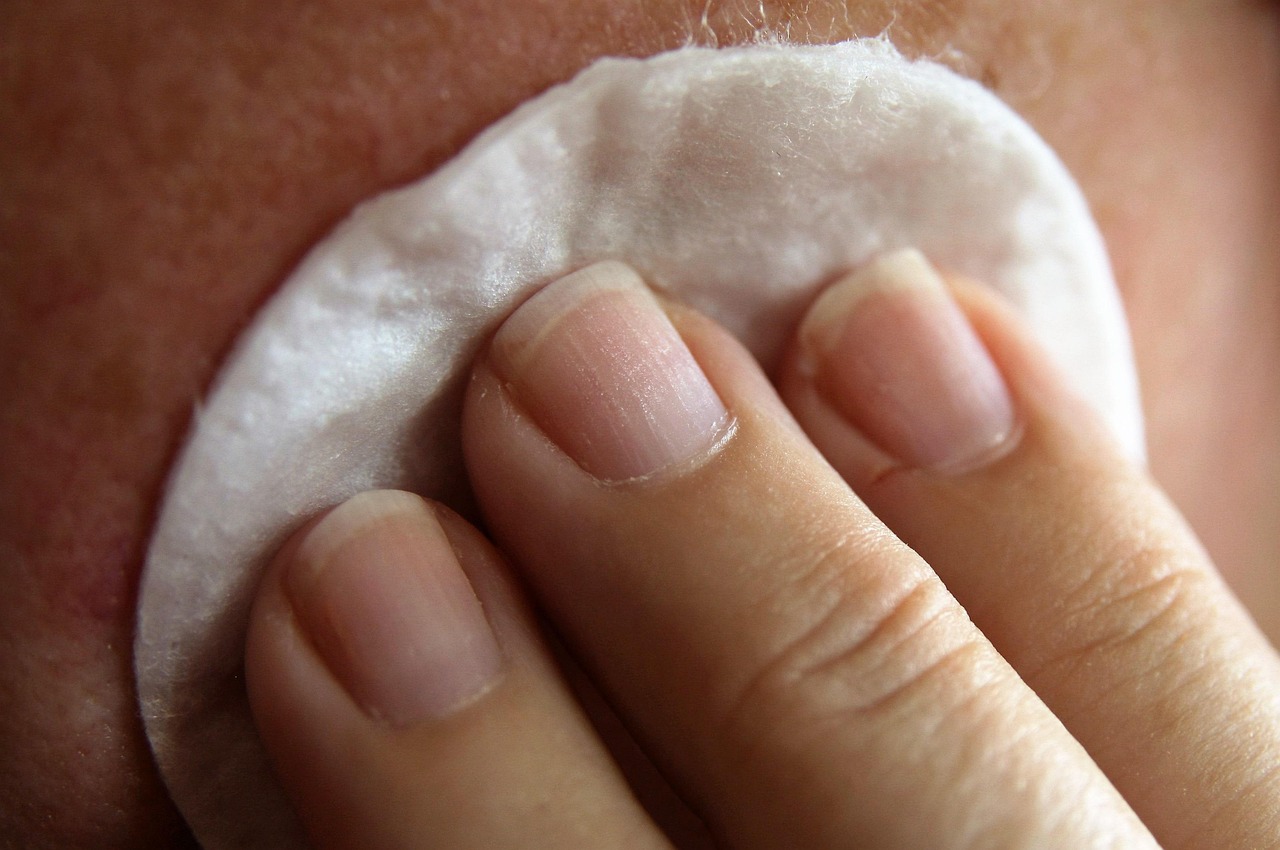
After climbing, it is crucial to take the time to assess and treat your skin. Many climbers neglect this essential step, which can lead to improper healing and more severe complications. First, wash your hands thoroughly with mild soap to remove chalk and dirt. Following cleansing, visually inspect your skin for any tears, cuts, or blisters. If you notice minor cuts, clean them with antiseptic and cover with a sterile adhesive bandage to prevent infection. For areas prone to blistering, consider using blister pads or protective tape before the next climbing session. Applying ice to swollen fingers or hands post-climb may also alleviate discomfort. Keep in mind that your skin needs moisture after exposure to drying chalk and rough surfaces. The application of a good moisturizer, preferably one that contains healing ingredients like aloe vera and vitamin E, can promote skin recovery. Additionally, regular self-massage on callused areas encourages blood flow and healing, helping to soften thickened skin. Establishing a routine that includes these aftercare steps will ensure that your skin heals properly and quickly.
Prevention Strategies for Long-Term Health
Beyond immediate care and treatment, adopting long-term strategies to keep your skin healthy and resilient is crucial. Regularly moisturizing your skin, particularly after climbing sessions, ensures that it retains its elasticity and is less prone to cracking. Stay vigilant in your climbing practices by managing the amount of pressure and impact your skin endures. Rotate between different finger grips and handholds to distribute wear evenly across your skin areas. Furthermore, manage the duration and intensity of your climbs. Limiting the number of hard climbs in a single session helps reduce wear on your skin and allows necessary recovery time. Use protective tape on sensitive or frequently injured areas as a precaution. Incorporating rest days in your training regimen can also significantly improve your skin’s health. The importance of proper nutrition cannot be underestimated either; consuming sufficient vitamins, particularly vitamins A, C, and E, supports skin healing and repair. Hydration aids in maintaining overall skin health, so drink plenty of fluids to replenish what is lost during climbing.
Consider establishing a community or finding a climbing buddy to share tips and experiences regarding skin care. Often, fellow climbers can provide valuable insights on what products work best for skin care and healing after climbs. Sharing knowledge about issues like skin tears and callus management can create a supportive environment that fosters safety and improvement among participants. Engaging in workshops or local climbing clinics can also offer guidance on maintaining proper skin health while conquering tougher routes. Many climbing equipment stores offer seminars, where experts can provide information on skin care products specifically designed for climbers. Don’t hesitate to invest in high-quality skin care items, as they can help you recover more quickly, allowing you to spend more time on the crag. Be proactive in your education on this subject; consider reading books or reputable online resources devoted to climbing and skin care. Creating a skincare plan that aligns with your climbing goals can ultimately help you to become a better climber, as you’ll enjoy increased performance and fewer interruptions due to injuries.
Monitoring Your Skin’s Condition
Your skin requires constant monitoring during the climbing season. Climbers should regularly check for any changes or developing issues. Areas prone to injury—like fingertips and palms—should be assessed daily, especially after climbing sessions. Understanding how your skin evolves can help you catch issues early and apply appropriate treatments. For example, if you notice increased dryness or cracks, it might suggest that you need to improve your skin care routine. Keeping a climbing journal can help you track your sessions, noting how your skin feels after each climb. Are there particular routes where your skin suffers more? What protective measures are most effective? Documenting this information will provide a comprehensive view of your skin’s health. Additionally, note when you apply skin treatments or bandages and whether you require extra items during different climbing sessions. Acknowledging patterns can help you enhance your strategies for skin care and healing. Creating a dialogue with fellow climbers about skin condition management could also encourage joint learning, as skin care often varies between individuals, yielding unique treatment recommendations.
In conclusion, skin care and healing after bouldering involve understanding skin types and applying appropriate routines. Preparation before climbing prevents injuries, while post-climb care allows for better healing of any damage. Balancing skin care with climbing intensity is essential; effective management ensures consistent performance and reduces downtime. Following thorough cleaning and moisturizing practices can significantly alter your skin condition and climbing prowess. Proven techniques such as protective taping, appropriate hydration, and using quality skin care products exhibit long-term benefits. Documenting your experiences can offer insights that improve your climbing and skin maintenance. Establish a community for support, and share learnings to encourage best practices. By taking these measures, you not only enhance your climbing experiences but also prolong your outdoor adventures. Embrace the process of skin care as part of your bouldering journey, and maintain that passion for climbing without unnecessary skin damage. With the right approach to healing and skincare, you can keep enjoying bouldering and push yourself towards greater heights.