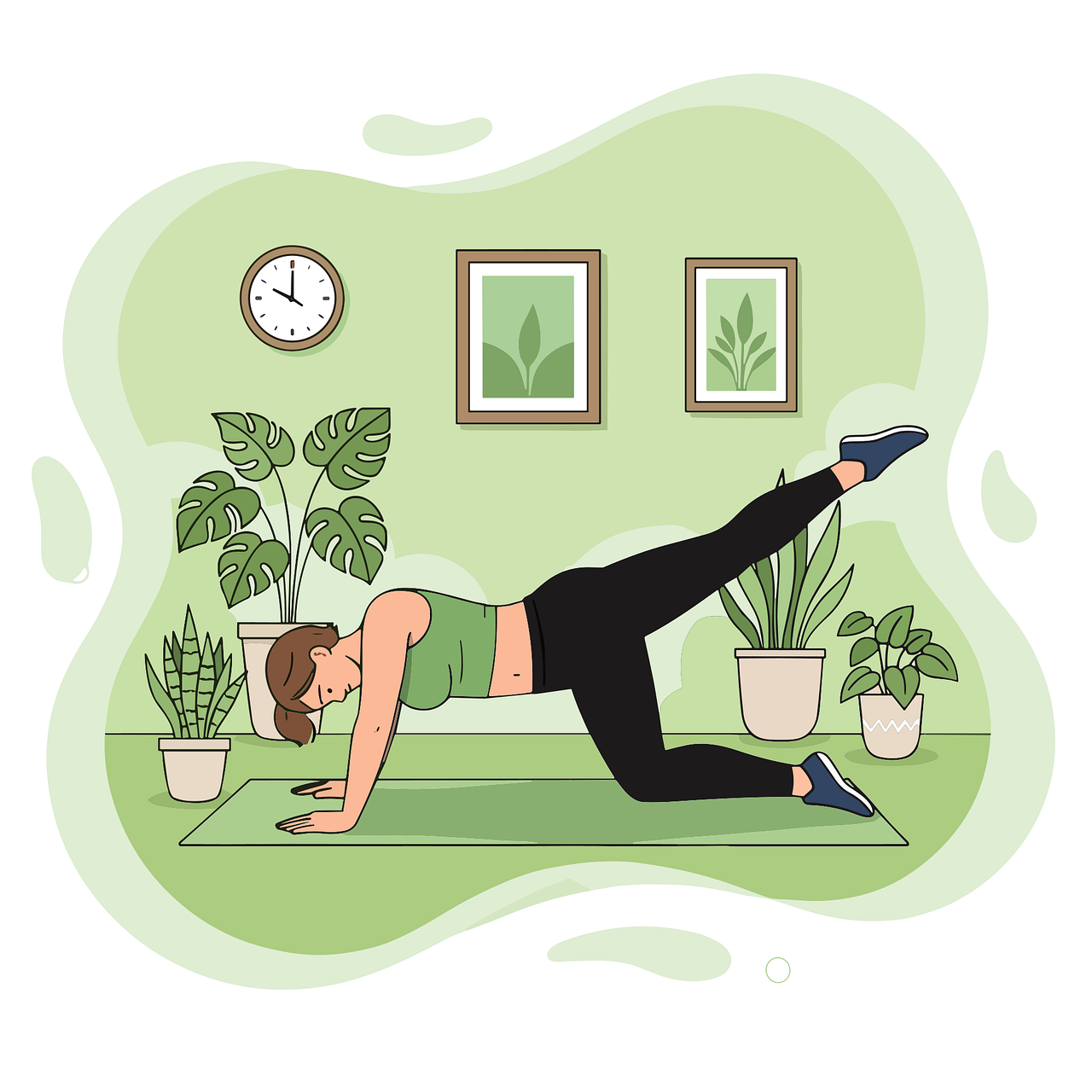

How to Start Your Postnatal Fitness Journey from Home
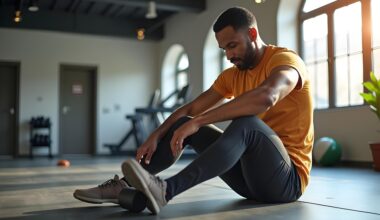
Starting your postnatal fitness journey at home can be both rewarding and challenging. After giving birth, your body undergoes significant changes, and it’s crucial to approach fitness mindfully. Focus on gentle exercises that align with your current fitness level while ensuring that you allow yourself ample recovery time. Postnatal fitness includes strength-training exercises, cardio, and flexibility routines. It’s essential to establish a workout routine that incorporates these elements gradually. Begin with exercises that engage your core, pelvic floor, and major muscle groups. These foundational movements are crucial in regaining strength and stability. Create a designated workout space in your home where you feel comfortable and motivated. Make sure to equip it with basic fitness gear like resistance bands, an exercise mat, and light weights. Finding online classes or video tutorials can also help; these resources often provide guidance on proper form and techniques tailored for postnatal moms. Remember, the journey to fitness is unique for everyone, so listen to your body and progress at your pace. Each step taken in your workout routine is a victory!
One of the primary aspects of postnatal fitness is knowing when to start. Most experts recommend waiting at least six weeks after childbirth for a vaginal delivery or eight weeks post-C-section before initiating an exercise routine. However, you should consult your healthcare provider to ensure you’re physically ready. They may advise tailored exercises or modifications based on your individual recovery. Start with light activities like walking, which can gradually enhance your cardiovascular fitness. Remember that it’s vital to listen to your body and respect its limits. Combining low-impact workouts with restorative practices like yoga can help improve flexibility and reduce stress. Once you’re cleared for physical activity, consider focusing on strength-building workouts. These can include resistance band exercises, body-weight movements such as squats, and core strengthening techniques. Be sure to concentrate on proper form to avoid injury. Hydration, nutrition, and adequate rest are also fundamental during this period. You’ll find that incorporating gradual, targeted workouts will help you regain strength and confidence. Celebrate your progress; each effort contributes to your postnatal fitness journey!
Crafting a Balanced Home Workout Routine
To create a balanced home workout routine, establish a weekly schedule that includes various types of workouts. Aim for at least three to four days dedicated to fitness, blending strength training, cardio, and flexibility exercises. You can easily adapt these workouts to fit your postnatal recovery journey. Start with strength exercises focusing on your core and surrounding muscles that will help support your body as it adjusts. Once you build up your strength, add cardio sessions to enhance heart health. Simple exercises like brisk walking, low-impact aerobics, or using resistance bands can be efficient. Also, don’t forget about flexibility—incorporate stretching and mobility exercises. Aiming for twelve to twenty minutes per session can boost your overall wellness. Utilize online resources or apps designed for postnatal moms, providing tailored workouts and guidance. Remember to listen to your body throughout this process and adjust the routine as needed. Consider joining virtual fitness classes or groups to add motivation and accountability, as connecting with other moms can ease the challenges of exercising alone at home!
Accountability is a powerful motivator in adopting a postnatal fitness routine. Engage friends or family members to support your journey or join online communities specifically designed for postnatal moms. Participating in group challenges can provide structure and motivation, helping you stay on track with your workouts. Sharing your goals or workout achievements with others can not only encourage you but also build connections. Consider scheduling specific times each week for workouts to ensure consistency. Block off these times in your calendar as you would for any important commitment; treat them seriously. If it helps, enlist a workout buddy who understands your journey and can motivate you in your sessions. Having a friend by your side, even virtually, can make exercise more enjoyable and less isolating. Utilize social media to join postnatal fitness groups; sharing experiences and challenges can be empowering. You can also document your fitness journey through photos or updates. This practice will not only keep you accountable but can inspire others as well. Following your progress will boost your motivation to continue pushing forward!
Safe Exercises for Postnatal Moms
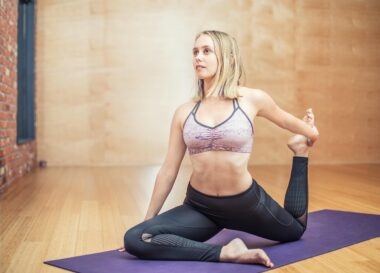
Choosing the right exercises is vital when you begin your postnatal fitness journey. Focus on building your core strength first, as it’s essential for overall stability. Pelvic floor exercises are also crucial, as they help support your body after childbirth. Gentle core workouts like modified planks, bridges, and pelvic tilts can be very effective. The goal is to rebuild strength gradually. Avoid high-impact movements initially; these can put unnecessary strain on your body. Low-impact exercises like walking, cycling, or swimming can be great alternatives to support your cardiovascular fitness. As you gain strength, explore progressive resistance training with light weights or resistance bands to effectively tone your muscles. Stretching should also be an integral part of your routine. Postnatal yoga not only improves flexibility but also encourages relaxation and mindfulness. Many online resources cater specifically to new moms, providing safe and effective guidelines for their fitness routines. As you continue your journey, update your workout regimen based on your recovery and progress. Always prioritize safety; remember, progress takes time, be patient with yourself.
Nutrition plays a significant role in your postnatal fitness journey. After giving birth, your body requires adequate nutrients to support healing and recovery. Focus on a balanced diet rich in whole foods, including fruits, vegetables, lean proteins, and healthy fats. Proper nutrition will help you maintain your energy levels while you exercise. If you’re breastfeeding, your caloric needs might be higher, so ensure adequate caloric intake. Preparing simple meals ahead of time can make eating healthy more manageable, particularly when dealing with a newborn. Prioritize hydration as well; drinking enough water helps with both energy levels and recovery. Set reminders to drink water throughout the day, especially during workouts. Low-calorie snacks are advisable when hunger strikes during workouts or nursing sessions. Incorporate healthy options like nuts, yogurt, or fruits. Being mindful of your nutrition complements your workouts and supports your body during this transitional phase. Learn to listen to your body’s hunger cues and respond accordingly. The combination of nutritious eating habits and exercise will significantly enhance your overall well-being during your postnatal fitness journey!
The Importance of Mindfulness in Fitness
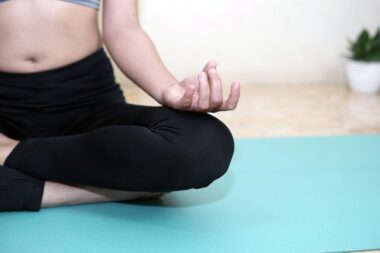
Integrating mindfulness into your postnatal fitness routine can elevate your overall experience. Mindfulness promotes self-awareness and helps you connect with your body while exercising. Focusing on your breath during workouts can enhance awareness of your movements, leading to better form and effectiveness. Consider incorporating mindful practices such as meditation or guided visualizations before or after workouts. This practice can help you release stress and enhance your emotional wellbeing. Aim for a few minutes of quiet time daily where you focus solely on your breath or body sensations. Noticing how your body feels during exercises can also help you identify your limits and understand when you need to rest or push further. Mindfulness encourages a positive mindset; focus on celebrating your achievements, no matter how small. Share your progress with friends or fitness communities to keep the positivity flowing. Remember that every small step toward your fitness goals is meaningful. Practice self-compassion and allow yourself grace; this journey is individualized and you are doing great, nurturing both yourself and your child as well!
Setting realistic goals is pivotal as you embark on your postnatal fitness journey. Instead of aiming for drastic changes, focus on actionable, achievable milestones. Begin by setting short-term goals that are easy to quantify; for instance, you could aim to workout two to three times per week or dedicate fifteen minutes daily to stretches. Tracking your progress will provide motivation and a sense of accomplishment. Utilize a fitness journal or apps that help monitor your workouts, meals, and overall mindsets. Celebrate each milestone reached, whether it’s completing a workout series or simply sticking to your routine. Acknowledge the changes happening within your body and embrace each moment. As you become more comfortable, you can set additional, broader goals, such as increasing workout intensity or trying new exercise styles. Be patient with yourself; changes take time. It’s essential to recognize your unique journey and not compare yourself to others. Focus on your accomplishments, and with every step, you’ll find your confidence and strength building. Remember, becoming stronger after giving birth is a journey worth savoring!