
Injury Prevention When Training with Parkour Communities
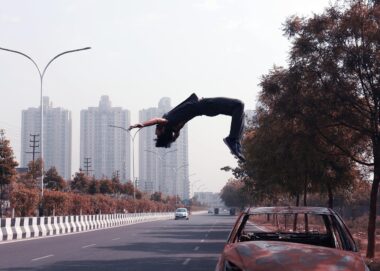
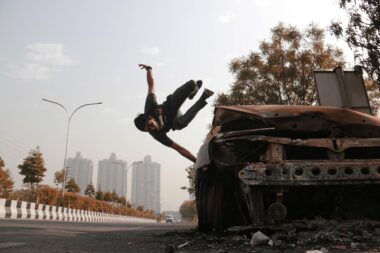
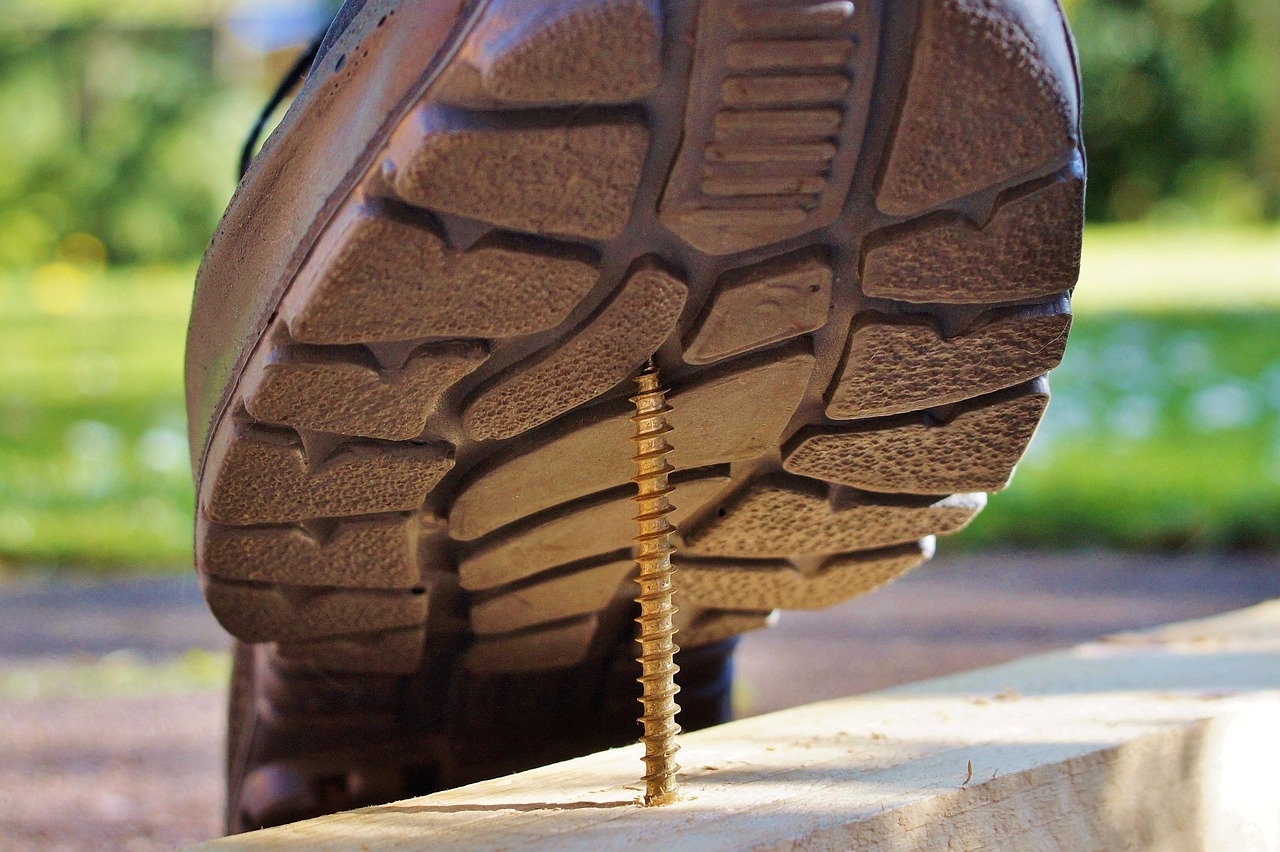
Engaging in parkour training within communities can be exhilarating but also entails a risk of injury. To mitigate these risks effectively, proper techniques and preventive measures should be emphasized. First, the importance of a comprehensive warm-up can’t be overstated. Dynamic stretching, such as arm circles and leg swings, prepares joints and muscles for the physical demands of parkour. Proper footwear designed for grip and support is essential, as it can significantly reduce slipping and falls. Moreover, training surfaces should be carefully chosen; softer ground or rubber surfaces can absorb impacts better than concrete. Always remember to progress your training gradually. Start with basic movements and build up to more complex techniques as your skills develop. It’s crucial to listen to your body. If you feel pain or exhaustion, take a break and reassess your training intensity. Lastly, consider practicing alongside a knowledgeable instructor or mentor. Having someone experienced can offer valuable insights, immediate feedback, and assistance in case of emergencies. By following these key strategies, parkour enthusiasts can enhance their training experience while minimizing the potential for injuries.
In the context of parkour training, community dynamics play a vital role in promoting safety and injury prevention. When joining a parkour community, fostering a supportive environment is crucial. Being surrounded by peers who share similar goals can motivate practitioners and create a culture of care. Communication among community members is essential; sharing concerns about particular techniques or obstacles can lead to safer practices. Team-based drills or collaborative challenges often encourage players to work together, ensuring that everyone has a chance to practice rather than just perform solo. Prioritizing safety first while training together helps everyone improve without unnecessary injuries. Additionally, establishing a set of community guidelines focused on safety can help members understand the methodologies that keep all participants safe. For instance, emphasizing the importance of using spotters during difficult moves can dramatically reduce the risk of falls. Regular community events focusing on injury prevention, such as workshops or guest instructor sessions, can also contribute to a safer training environment. By prioritizing safety and learning from one another, parkour communities can enhance the overall training experience for all involved.
Understanding common injury types in parkour is vital for prevention. Sprains, fractures, and soft tissue injuries are the most frequent occurrences among practitioners. Ankle sprains happen when landing awkwardly, while wrist fractures often occur during falls. Educating community members about these injuries can aid in better preparation. Awareness of proper landing techniques is key to reducing the risk of ankle injuries. For instance, rolling upon landing transmits the force of impact away from vulnerable areas. Implementing strength training exercises can improve muscle resilience, particularly in the legs and core, providing better support for jumps and landings. Additionally, incorporating balance and coordination drills can enhance overall body control, minimizing the chances of falls. Regular cross-training activities outside of parkour, like yoga or swimming, can improve flexibility and overall fitness, further decreasing injury risk. Grupo practices such as ‘progression drills’ allow members to practice difficult skills safely. Community events may also include injury prevention education from physical therapists to share insight on biomechanics relevant to parkour. Moreover, encouraging conversations about personal experiences and challenges within the group can create a more informed collective.
The Role of Recovery in Injury Prevention
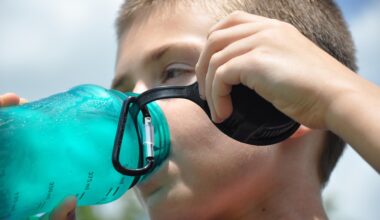
Recovery is a critical component of any parkour training regimen. It is during recovery that muscles repair, and strength is built. Effective recovery practices go hand-in-hand with injury prevention strategies. Ensuring that practitioners have scheduled rest days is essential to allow adequate healing time and avoid overtraining. Adequate nutrition also plays a role; protein intake is especially important post-workout for muscle recovery. Hydration should not be overlooked; drinking sufficient water supports overall bodily function and aids in preventing cramps. Techniques such as foam rolling and stretching can enhance flexibility and reduce muscle tightness. Furthermore, incorporating methods such as ice baths or contrast showers can help reduce inflammation after rigorous training sessions. Listening to your body and adjusting your training intensity is vital; if persistent pain occurs, it might indicate the need for an extended recovery period. Introducing low-impact activities, like swimming or cycling, during recovery can help maintain fitness levels while allowing injuries to heal. Practicing mindfulness techniques, such as meditation, can also reduce overall stress levels, promoting better recovery and injury prevention.
Safety features and equipment can greatly influence injury prevention in the parkour community. Utilizing safety gear, like knee pads, wrist guards, and helmets, provides an additional layer of protection during challenging maneuvers. While some parkour purists might forgo protective gear, recognizing its importance can foster a safer training atmosphere, especially for beginners. In more advanced environments, padded obstacles or landing mats can decrease the impact of falls significantly. Designated training zones with appropriate safety infrastructure, such as foam pits, might be beneficial for high-risk techniques. Affordability and accessibility of these features are crucial; communities must advocate for safe training environments. Community members participating on-site maintenance and establishing designated safe zones can enhance the risk-reduction mission. Furthermore, partnering with local businesses or other organizations to access skilled trainers and equipment can enhance the experience. Offering workshops that incorporate injury prevention, coupled with hands-on training with equipment like mats, are effective ways to educate and prepare practitioners. Ultimately, prioritizing safety and proper training structures will lead to a more enjoyable experience for everyone involved in the parkour community.
The significance of mental preparation in injury prevention cannot be underestimated. Many parkour practitioners face psychological barriers when attempting new skills or progressing through their training. Building mental resilience is as crucial as physical capabilities. Techniques such as visualization can enhance confidence and help envision successful performance in challenging maneuvers. Breaking down stunts into smaller, manageable components can ease anxiety and foster a step-by-step approach to learning. Practitioners should always remind themselves that mastering tricks takes time; celebrating small achievements is essential to maintaining motivation. Community members can support one another by fostering an encouraging environment, providing effective feedback, and sharing experiences. Fear of failure often leads to hesitation, increasing the risk of injury, hence the need to develop strategies for overcoming this. Introducing relaxation techniques such as deep breathing or positive affirmations can help reduce pre-performance jitters. Journaling personal feelings and progress can also solidify mental strategies for improvement. By focusing equally on mental and physical components, parkour communities can cultivate safer, more resilient athletes on their paths to mastery.
Conclusion: Building a Safer Parkour Environment
In summary, creating a supportive and informed training environment is essential for injury prevention in parkour communities. Communities must prioritize safety through education, proper training, recovery protocols, and mental preparedness. Encouraging open discussions about techniques and personal experiences strengthens the community bond, fostering a safer atmosphere for all practitioners. Shared knowledge and teamwork allow individuals to progress without risking their health. Community-driven initiatives, such as workshops, mentorship programs, and skills-sharing events, further enhance safety and skill development. Practitioners are encouraged to maintain a growth mindset, understanding that learning is a continuous journey. All members should be aware of their limits and push themselves gradually. Together, parkour and freerunning communities can enjoy rewarding experiences without subjecting themselves to unnecessary injuries. Establishing guidelines, promoting recovery practices, and using safety gear can contribute significantly to a culture of safety. By being proactive and engaged, members create a lasting influence that ensures a safer future for all. Each participant’s well-being truly impacts every facet of the community. Being informed and focused on safety sets the stage for an action-packed, enjoyable parkour journey.