
Kettlebell Deadlifts: Foundations for Strength Training
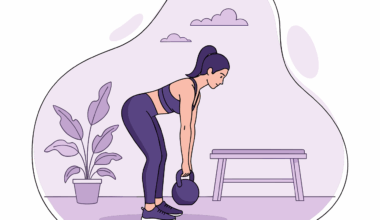
Kettlebell deadlifts are a foundational exercise in strength training, designed to build strength in the posterior chain, including the hamstrings, glutes, and lower back. Performing kettlebell deadlifts correctly is crucial to avoid injury while maximizing gains. In this exercise, the kettlebell is positioned on the ground, engaging the core for stability. Proper form ensures you derive maximum benefits from each repetition. Start by standing with your feet hip-width apart, hinging your hips while keeping your back straight, and grasp the kettlebell firmly. During the lift, focus on pushing through your heels, activating your leg muscles. The kettlebell deadlift is not only a key strength-building exercise; it also promotes proper body mechanics essential for athletic performance. Incorporating kettlebell deadlifts into your workout routine enhances functional strength, which translates into improved performance in various sports. Additionally, for beginners, this exercise lays a strong foundation for more advanced kettlebell movements. Focus on mastering the deadlift before progressing to complex and dynamic kettlebell exercises that require excellent stability and strength. By strengthening your core and lower body, you can elevate your overall training effectiveness.
Benefits of Kettlebell Deadlifts
The kettlebell deadlift offers numerous benefits that can enhance your fitness journey significantly. Firstly, this exercise strengthens crucial muscle groups, helping you develop better overall strength. By engaging your hamstrings, glutes, and lower back, kettlebell deadlifts contribute to improved athletic performance and better posture. Furthermore, kettlebell deadlifts are versatile; they can be adjusted to various fitness levels. Newcomers can start with lighter kettlebells to learn the proper mechanics. More experienced users have the option of increasing weight to challenge themselves. Additionally, kettlebell deadlifts improve core stability, which is essential for maintaining balance in other exercises and everyday movements. Stability gained from this exercise provides a solid base on which other kettlebell exercises can build upon. Another crucial benefit is that kettlebell deadlifts enhance grip strength, valuable in many sports and weightlifting activities. Moreover, by performing deadlifts with kettlebells, you can boost your metabolism, leading to increased calorie burn during and after workouts. Regular practice ultimately contributes to weight management, making kettlebell deadlifts a great addition to any training program.
The key to effectively integrating kettlebell deadlifts into your routine is understanding proper technique. A fundamental aspect is maintaining a neutral spine; it’s critical to avoid injury and achieve the intended benefits. Begin by setting your feet correctly, ensuring they comfortably align with your hips. As you bend down to grip the kettlebell, focus on sticking your chest out and keeping your back straight. This position encourages proper lifting mechanics. While lifting the kettlebell, squeeze your glutes tightly at the top of the movement. This final contraction helps to stabilize your body and emphasizes the muscles worked. Moreover, always keep the kettlebell close to your body during the lift; this minimizes strain on your lower back. Additionally, the downward phase should be as controlled as the lift itself; a slow, measured descent is vital. You should aim to develop a rhythmic and fluid movement throughout each repetition. Practicing this technique allows your body to adapt, increasing both your strength and coordination over time. Kettlebell deadlifts are not merely about lifting a weight; they require precision and control to maximize their benefits.
Variations to Explore
Once you have mastered standard kettlebell deadlifts, several variations can further enhance your workouts. The single-leg kettlebell deadlift targets balance and stability while emphasizing strength in the working leg. By lifting one leg behind you, you can develop greater core strength and the muscles in your standing leg while performing the deadlift. Another effective variation is the sumo kettlebell deadlift, which involves positioning your feet wider apart. This variation shifts the emphasis onto your inner thighs and glutes, making it an excellent option for targeting different muscle groups. Additionally, you can incorporate a high pull at the end of a standard deadlift. This variation allows you to transition smoothly from the deadlift into a dynamic movement, enhancing cardiovascular benefits. The Romanian kettlebell deadlift is another option that focuses specifically on the hamstrings and lower back. It requires less knee bend, allowing you to isolate these muscle groups effectively. Exploring these variations not only keeps your routine fresh and exciting but also helps you advance in strength training, enhancing your overall fitness results.
To maximize your results from kettlebell deadlifts, incorporating proper warm-up and cool-down routines becomes essential. Warming your body up prepares your muscles, preventing injuries during your workouts. Include dynamic stretches like leg swings and hip openers to loosen up these areas. Activating your glutes and hamstrings through light kettlebell movements before heavier lifts can also be beneficial. A proper cool-down is equally important; it aids recovery and decreases muscle soreness. After your workout, engage in static stretching, focusing on the hamstrings, glutes, and lower back. This stretching helps improve flexibility and mobility over time, which is vital for performing kettlebell deadlifts correctly. Additionally, hydration plays a crucial role, so ensure you are well-hydrated throughout your workout and afterward. Understanding your body, recognizing when to take rest days, and altering resistance levels as needed can improve performance. Listening to your body enables you to prevent overtraining while ensuring sustainable progress. By emphasizing warm-ups and cool-downs, you will foster longevity and success in your fitness journey.
Common Mistakes to Avoid
When executing kettlebell deadlifts, several common mistakes can hinder your progress while potentially causing injury. One frequent error is rounding your back during the lift, which places excess strain on your spine. Always strive to maintain a neutral spine throughout the movement. Another common issue is using too much weight too soon, which can lead to poor form. Start with a manageable weight that allows you to focus on mastering technique before progressing to heavier kettlebells. Additionally, many individuals fail to engage their core adequately during the lift, leading to instability. Engaging your core not only supports your spine but also contributes to effective power during the lift. A further mistake involves allowing the kettlebell to drift away from your body, which can negatively impact your balance and leverage. Ensure the kettlebell remains close to your legs, allowing for a more efficient lifting motion. Lastly, neglecting the importance of the downward phase can compromise the exercise’s effectiveness. Control your descent to maximize muscle engagement and promote strength improvements throughout your entire session.
Integrating kettlebell deadlifts into your workout routine can lead to significant improvements in overall strength when executed correctly. Over time, they bolster your foundation for strength training and athletic performance. Implement these exercises consistently while varying their frequency and intensity to promote continuous progress. Moreover, pay close attention to how these lifts feel and adjust your training as necessary, allowing adequate recovery. This is vital in achieving your fitness goals sustainably. Tracking your progress can motivate you and help refine your technique over time. Consider utilizing workout logs or fitness apps to monitor your performance. As your strength improves, continue to challenge yourself by incorporating more complicated kettlebell exercises. Always remember to celebrate your achievements, as this fosters a positive attitude toward fitness. Engagement in the kettlebell community, whether through classes or online, can offer support and motivation. Engaging with others who share similar goals amplifies your energy and provides fresh ideas for workout integration. By maintaining focus and commitment to your kettlebell training, you can achieve remarkable transformations in strength and fitness.
Conclusion
In conclusion, kettlebell deadlifts provide vital benefits for anyone looking to enhance their strength training game. They contribute to improved athletic performance and functional strength essential for everyday activities. By implementing this exercise into your routine, you build a robust foundation for advanced movements and exercises. Always prioritize proper technique and focus on mastering the deadlift before advancing to more complex variations. This approach not only ensures safety but maximizes your strength gains. Remember to incorporate variation and appropriately adjust your weight, which keeps your workouts frustratingly fresh and diverse. An excellent warm-up and cool-down routine can optimize your performance while preventing injury. If you’re interested in furthering your kettlebell experience, consider seeking guidance from knowledgeable trainers. Online resources and communities can offer additional insights and support. Keep an eye on your progress and celebrate your achievements. Adjust your workouts as you gain strength, providing encouragement. Aim to explore the depth of kettlebell training, pushing yourself continually toward greater heights. With commitment and discipline, kettlebell deadlifts can transform your strength training approach, laying the groundwork for a healthier lifestyle.