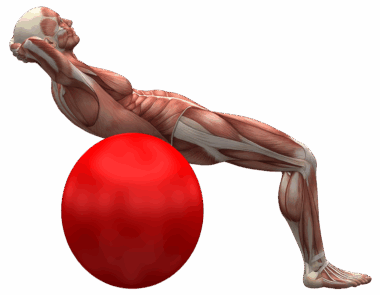

Nutrition Tips to Support Core Muscle Development
When it comes to developing strong core muscles, nutrition plays a significant role in providing the necessary fuel and nutrients. Ensuring a balanced diet rich in essential macronutrients helps promote muscle recovery and growth. Prioritize proteins, which are vital for muscle repair and development. Foods such as lean meats, chicken, fish, legumes, and low-fat dairy should be incorporated into daily meals. In particular, aim to consume high-quality protein sources post-workout, as this aids in muscle synthesis. In addition, incorporating healthy fats from sources like avocados, nuts, and olive oil can help support hormone production.
- Focus on lean protein options.
- Avoid processed sugars to enhance recovery.
Whole grains and plenty of fruits and vegetables provide vital micronutrients. These foods supply antioxidants and vitamins, which help reduce inflammation and promote overall health. Hydration cannot be overlooked — drinking adequate water is crucial for optimal performance. Consider these nutrition tips as foundational practice for core training success.
A core-strengthening diet should also focus on timing of meals and snacks to optimize muscle gain. Consuming meals or snacks containing carbohydrates and protein about 30 minutes before and after workouts is beneficial. This pre-workout meal fuels energy and performance, while the post-workout one aids in muscle recovery. Quick options such as a banana with peanut butter or a protein shake can provide immediate energy.
- Choose low-glycemic carbohydrates for sustained energy.
- Include healthy snacks such as Greek yogurt with berries.
Furthermore, it’s essential to monitor portion sizes and overall calorie intake; this ensures you are fueling your body correctly without unnecessary excess. Pay attention to your body’s signals regarding hunger and fullness. Balancing meal portions can help manage weight effectively while supporting the training goals. To build muscular endurance in the core, stick to a meal plan that accounts for these factors to assist muscle development systematically.
One effective strategy in core muscle development is to add more nutrients that support energy levels and metabolism. Nutrients like B vitamins are critical because they play a role in converting food into energy. Include fortified cereals, whole grains, and leafy greens in meals. Additionally, minerals like magnesium and zinc are essential for muscle function and should be part of the daily intake through foods like beans, nuts, and seeds.
- Incorporate spinach and other greens in salads.
- Opt for nuts and seeds as snacks.
Antioxidants, found in colorful fruits and vegetables, help reduce oxidative stress after strenuous core workouts. They promote quicker recovery and can diminish muscle soreness. Include blueberries, cherries, and sweet potatoes as regular options in your diet. Remember that diversity in food choices ensures a broader spectrum of nutrients, enhancing muscle development. When planning meals, prioritize incorporating these nutrient-rich options to effectively support core strengthening exercises.
The Role of Hydration in Core Training
Hydration is a critical yet often underestimated factor in supporting core muscle development. Water is essential for maintaining optimal physiological functions and allows effective nutrient distribution throughout the body. Dehydration can impair performance and recovery, hindering your core training efforts. It’s important to drink sufficient water before, during, and after workouts, especially if you are engaging in high-intensity routines.
- Adapt water intake based on exercise duration.
- Include electrolyte-rich drinks for extensive workouts.
Recognizing signs of dehydration, such as fatigue or headaches, is vital. For higher-intensity sessions, consider incorporating coconut water or sports drinks to replenish lost electrolytes. Maintaining a hydration schedule encourages regular fluid intake, especially on workout days or during extreme weather conditions. Keep a water bottle nearby to remind yourself to hydrate continuously. Remember, hydration directly influences performance and endurance; ensuring adequate fluid intake enhances overall training results.
Moreover, meal preparation plays a significant role in maintaining a focused core training diet. Spend time planning and prepping meals ahead of time to ensure access to healthy foods regardless of your schedule. Prepare simple, nutrient-dense recipes that align with your goals. Batch cooking proteins or whole grains can save time during your busy week.
- Create snack packs with fruits and nuts.
- Utilize versatile ingredients for multiple meals.
This helps to avoid easily relying on convenience foods high in sugars and unhealthy fats that could sabotage your efforts. When cooking or assembling meals, incorporate a variety of colors on your plate — aiming for diversity in nutrients. This variety isn’t just visually appealing, it also ensures your diet supports overall health and core development effectively.
Understanding Supplements
Supplements can be a helpful addition to your diet, especially when you face challenges meeting your nutritional needs through food alone. Protein powders are a widely discussed option that offers an easy way to increase protein intake. Whether whey, soy, or pea protein, these supplements support muscle recovery when blended into smoothies or shakes. However, it’s important to select high-quality products and consult with a nutritionist before starting any supplementation regime.
- Consider taking vitamins if your dietary intake is inadequate.
- Be cautious about excessive doses of supplements.
Additionally, branched-chain amino acids (BCAAs) may be beneficial for arming your body against muscle fatigue and promoting recovery. Furthermore, omega-3 fatty acids found in fish oil are known to help reduce inflammation, supporting overall core muscle health. Always remember that whole foods should be the primary source of nutrients when possible; supplements should complement, not replace, a well-rounded diet.
Lastly, consistency in your nutrition habits is essential for supporting core strength development. Adopting a healthy lifestyle and dietary routine does not happen overnight. Focus on developing sustainable habits that align with your fitness and dietary needs. Gradual changes can lead to long-lasting effects on health and strength. Track your food intake with mobile apps to gain awareness of your habits.
- Evaluate your progress regularly.
- Adjust your nutritional choices as needed.
This allows you to stay accountable while making any necessary adjustments. Schedule regular check-ins with fitness professionals to assess core training progress effectively. Ultimately, improved core strength hinges not only on training but also on maintaining a focused, nutrient-rich approach to nutrition. Remember, nourishing your body consistently contributes to achieving your core training goals.
In summary, supporting core muscle development through nutrition requires strategic planning and conscious choices. It’s more than merely consuming the right nutrients; it’s also about timing those nutrients effectively. Combine whole foods with necessary fluids and supplements judiciously to create a comprehensive nutrition strategy. Rely on high-quality proteins, healthy fats, fiber, and hydration to influence your training outcomes positively. Establish meal plans that reflect these principles, fostering both physical strength and overall well-being. Maintain consistency to cultivate lasting dietary habits, ensuring they align with your core training needs. Keep reminding yourself of the significance of every meal in this journey. Nourishment serves as the foundation for all physical activities and muscle development pursuits. Fueling your body correctly enhances performance while helping to build a strong core. Engage in regular training with disciplined nutrition, and journey toward a healthier lifestyle that emphasizes core engagement throughout all your physical activities. It’s not just about nutrition alone; it’s about understanding its integral relationship with your fitness journey. With patience and dedication, success will follow.