
Sprint Mechanics: Optimizing Reaction Time at the Start
When it comes to sprint mechanics, reaction time plays a crucial role in determining overall performance. Athletes must learn to respond quickly to the starting signal, as even a fraction of a second can make a difference. Proper training can enhance this skill. Start by cultivating body awareness and understanding the muscle groups involved in sprinting. Focusing on the lower body strength is essential. Include strength training exercises targeting the legs to enhance explosive power. However, athletes should not neglect their upper body; a coordinated arm swing helps with balance and speed. Specific drills, such as box jumps and acceleration runs, can help improve reaction time. Effective visual cues can also aid in developing quicker responses. For instance, practicing with lights or auditory signals can optimize the learning process. Setting clear benchmarks for performance evaluation will allow for tracking improvements over time. To maximize the effectiveness, athletes should combine these drills with proper nutrition and rest. Fueling the body appropriately ensures that muscles are ready to perform. Thus, nutrition plays a vital role in optimizing reaction time, along with consistent practice.
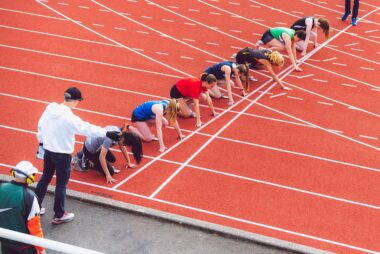
Understanding the biomechanics of a sprint start is essential for athletes to optimize their reaction time effectively. At the start, athletes utilize the starting blocks to generate maximum force quickly. Their foot placement in the blocks is crucial. The ideal position allows sprinters to convert potential energy into kinetic energy efficiently. Athletes should focus on keeping their bodies low for aerodynamic advantages. Maintaining a forward lean in initial strides is imperative for explosive speed. A strong push-off from the blocks can be achieved through specific technique drills. Practicing the transition from block to stride will help facilitate smoother movement patterns. This includes hip extension and knee drive. Execution of these movements can be practiced extensively in training sessions. Video analysis can also benefit athletes, as it allows them to adjust and refine their technique based on visual feedback. Additionally, mental preparedness cannot be overlooked, as focus and concentration are critical at the start. Sports psychology techniques can assist in enhancing an athlete’s mental state. Overall, melding biomechanics, muscle strength, and mental focus creates an environment where optimal reaction time can be achieved.
Role of Mental Preparation
Mental preparation is not just about staying focused; it encompasses various strategies to enhance reaction time. Visualization techniques can be incredibly beneficial for sprinters as they imagine themselves executing perfect starts. This mental rehearsal primes them for the physical challenge ahead. It is advisable to incorporate breathing exercises to cultivate calmness before important events. Reducing anxiety can significantly enhance reaction times. Many athletes share personal routines that help them transition into competition mode successfully. Consistency in pre-race routines can foster a sense of control and readiness. Additionally, engaging in positive self-talk reinforces confidence and reduces fear of failure. Just as important, understanding the importance of listening to one’s body during training helps bolster optimal performance. If an athlete feels fatigued, they should be cognizant of the need to rest. Encouragement and support from coaches and trainers can uplift an athlete’s spirits, further enhancing their performance. Incorporating group or partner training sessions may also motivate athletes, making training more enjoyable. This social aspect can foster a competitive spirit, leading to improved times and reactions over time as one pushes the others. Thus, mental strategies must complement physical training.
Physical Conditioning Techniques
To optimize reaction time, athletes must engage in specific physical conditioning techniques that enhance their overall sprint performance. Strength training should focus on developing the fast-twitch muscle fibers that contribute to explosive movements. Exercises such as squats, lunges, and plyometrics can support this development. Incorporating speed drills, including short sprints and shuttle runs, will improve acceleration and responsiveness. It is vital to balance these high-intensity workouts with recovery periods. Recovery allows muscles to adapt and grow stronger following taxing training sessions. flexibility exercises, such as dynamic stretching beforehand and static stretching afterward, are essential to prevent injuries and maintain a full range of motion. Another technique to consider is incorporating resistance training in sprints, like using weighted vests or resistance bands. This method teaches the body to overcome force, making normal sprinting feel easier. Additionally, cross-training methods, like swimming or cycling, can improve cardiovascular fitness without the impact on joints. Staying hydrated and following a nutrition plan rich in protein and carbohydrates supports muscle recovery and energy needs. Overall, varied and well-structured physical training techniques contribute to optimized reaction times.
Every sprint athlete must pay attention to their practice routines, with a keen focus on refining their starting mechanics. Regular practice is necessary to develop muscle memory that facilitates rapid responses. Athletes should incorporate block start drills to condition their bodies for the explosive movements required at the beginning of a race. Begin by practicing the foot positioning and ensuring proper push-off techniques are meticulous. This process should continue until athletes feel confident. Performing these drills with different pacing strategies can help determine what feels comfortable and natural. Emphasize rhythm and timing, as these elements play a significant role in successful starts. Another key consideration is actual race simulation practices. Setting a timer and practicing under race conditions will help the athlete feel the pressure of real competition, learn to manage nerves, and refine reaction time further. Coaches should provide immediate feedback during these simulations to correct methods and techniques. Oscillating between fast and controlled practices allows an athlete to cope with varying race conditions. This careful planning fosters improvement in their performance in a competitive arena. Through diligent effort, practice routines can lead to striking gains in reaction time.
Recover and Analyze Performance
Recovery is a pivotal area in optimizing performance and reaction time in sprinters. After days of rigorous training, allowing ample time for the body to heal is vital. Engaging in light recovery sessions minimizes soreness while enhancing mobility. Include recovery protocols, such as massage therapy or physiotherapy, focusing on muscle maintenance to prevent injuries. Additionally, ice baths, foam rolling, and stretching can aid in muscle recovery post-training. Understanding the importance of rest days and their contributions to physical conditioning is paramount. Moreover, analyzing performance in both training and competitions allows athletes to identify areas for improvement. Video recording training sessions helps pinpoint specific weaknesses in an athlete’s starting routine. Reviewing these can offer insight on muscle efficiency and provide suggestions, leading to better techniques. Gathering feedback from coaches will also aid in the evaluation, allowing for objective assessments. Strategies should be adapted based on findings to build an athlete’s individual plan. To conclude, resting adequately paired with insightful performance analysis optimizes an athlete’s ability to enhance their reaction time and improve sprint mechanics.
Incorporating technological advancements can also intensify training sessions for sprinters focused on optimizing their reaction time. Many athletes now use wearable technology, such as heart rate monitors or GPS trackers, to evaluate their intensity levels. These tools help assess how an athlete’s body is reacting to various training loads, determining effectiveness in workouts. Integration of apps that track sprinting mechanics can reveal data trends, such as acceleration and pace. Such insights allow athletes to develop a more detailed understanding of their performance patterns over time. Using technology in analysis offers athletes an advantage over others. Furthermore, virtual or augmented reality training can assist athletes in enhancing reaction times through simulated start contexts. These platforms provide instant feedback and allow varying scenarios that can keep athletes in optimal competition mode. In conjunction with traditional methods, technological integration helps an athlete become more aware of each practice’s scientific base. This melding of technology with training enhances an athlete’s ability to adapt quickly and effectively to different racing conditions, maximizing sprint mechanics and performance outcomes. As technology evolves, so too should the techniques used in training, nurturing the sprinter’s progress.
Ultimately, optimizing reaction time at the start of a sprint is a multi-faceted approach. By blending physical conditioning, mental preparation, performance analysis, and technology, athletes can maximize their potential. A thorough understanding of sprint mechanics and how they relate to reaction time will guide athletes towards achieving unprecedented times. Continuous, systematic practice ingrains the necessary skills and techniques needed for success. Athletes must remember the importance of focusing on every detail while training at the start. Every drill and every exercise contributes to their overall speed and performance. As they refine their technique, they soon find that each small improvement can lead to significant results in actual competition. Competitive environments positively challenge athletes, pushing them to new heights. Therefore, structures supporting routine improvement will empower athletes to achieve their best. Encouragement from teammates and coaches reinforces the effort put into training sessions. In every aspect, athletes should remain committed to optimizing their reactions and enhancing their sprint performance. Embracing both traditional training methods and modern technological tools creates a unique balance, ensuring the cards of success are stacked in their favor. The future of sprinting, then, looks bright with endless opportunities for achievement.