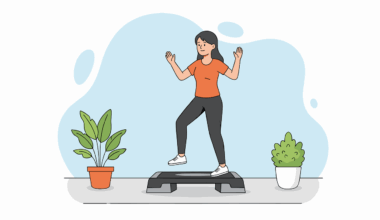

The Role of Physical Activity in Postpartum Mental Health
Postpartum mental health is a crucial aspect of women’s overall well-being after childbirth. Engaging in physical activity can play a significant role in enhancing the mental health of new mothers. Scientific evidence indicates that regular exercise helps alleviate symptoms of anxiety and depression, which are prevalent during the postpartum period. Mental wellness is greatly influenced by hormonal fluctuations occurring after delivery. Therefore, incorporating routine physical activity can lead to better management of these mood changes by releasing endorphins and other feel-good hormones. Furthermore, creating a structured exercise plan can promote a sense of routine, which is often disrupted after having a baby. Social interactions obtained in fitness classes can also improve feelings of social support and connection, essential during the early days of motherhood. Prioritizing physical activity can build confidence in fitness and body image, helping mothers regain control over their physical selves after pregnancy. Thus, maternal mental health can benefit significantly from effectively integrating physical movement into daily schedules. A focus on both physical and mental aspects of recovery is vital for a fulfilled motherhood experience.
Impact of Exercise on Self-Esteem
Postpartum women commonly experience changes in body image that can affect self-esteem levels. Regular exercise facilitates improvements in body perception over time. Women can experience enhanced self-confidence and acceptance of their physical appearances through consistent engagement in fitness activities. This shift in body image perception occurs as mothers see improvements in strength, endurance, and overall fitness. A strong connection exists between achieving physical goals and increases in self-esteem, leading to improved mental health overall. Women engaging in postpartum fitness classes or groups may find camaraderie in shared experiences, which can further foster a positive self-image and enhanced motivation to stay active. Additionally, the empowerment gained from fitness not only impacts self-esteem but spills over into other areas of life, enriching personal relationships and parenting experiences. To help mothers rediscover their strength, targeted programs focusing on postpartum recovery can promote positive self-image enhancements. Improving self-esteem through exercise is not just about aesthetics; it goes deeper and touches on emotional stability, enabling mothers to embrace their post-pregnancy bodies fully and healthily. A holistic approach that incorporates both fitness and mental acceptance plays a crucial role in this journey.
Many postpartum women experience significant shifts in their daily routines, resulting in challenges that require adjustments. Exercise can help meet these challenges by creating stability in daily life. Participation in fitness routines establishes a sense of structure, allowing mothers to carve out valuable time for themselves amidst their new responsibilities. Scheduling workouts alongside child care creates healthy boundaries while allowing mothers to prioritize their well-being. In essence, exercising provides not just physical benefits but a much-needed mental escape as well. Time allocated for fitness allows moms to recharge mentally and emotionally, equipping them to tackle daily responsibilities more efficiently. Whether through a solo walk, yoga session, or joining group classes, the rhythm established through physical activity can bring about a renewed sense of normalcy in a mother’s life. Furthermore, engaging in postpartum fitness activities creates a chance for social interactions, wherein women can share their experiences and difficulties, fostering community support. Building gradual and sustainable fitness habits can enhance overall well-being while embracing life’s rapid transitions. This sense of independence is vital in bolstering mental resilience during the postpartum period.
Physical Activity as a Coping Mechanism
Physical activity plays a crucial role in helping women manage stress during the postpartum phase. As new mothers navigate significant life transitions, exercise serves as an effective coping mechanism to alleviate anxiety. Regular workouts provide an outlet for stress relief, allowing mothers to achieve a sense of control amidst the chaos. Engaging in physical activities enables mothers to process feelings about their new identities, fostering mental resilience. Moreover, by releasing tension and frustration through intentional movement, women can feel more peaceful and centered emotionally. The rhythmic nature of activities like running, swimming, or even dancing offers a meditative aspect that can distract from worries, helping to achieve balance in emotional well-being. Additionally, setting and accomplishing fitness goals helps cultivate positive reinforcement, motivating women to keep fit and prioritize their health. Finding time for even short bursts of exercise can lead to a protective factor against the adverse effects of stress. Therefore, using physical activity as a tool for coping with postpartum challenges can provide essential relief, creating pathways toward improved mental wellness during this transformative time.
A vital aspect of promoting postpartum mental health is the ability to connect with others who share similar experiences. Participating in group fitness activities forms social networks that encourage bonding between mothers. These connections reduce feelings of isolation, further enhancing mental wellness. Research has shown that social support is an essential part of emotional recovery and well-being post-birth. Engaging in physical activities together fosters a sense of camaraderie, creating lasting friendships based on shared experiences of motherhood. Bonding over mutual struggles can directly impact emotional health, reassuring mothers that they are not alone in their journeys. In this supportive environment, it becomes easier to discuss feelings related to body image, fitness, and overall motherhood. Many fitness programs now include group discussions or workshops focusing on mental health, blending physical activity with emotional support. Additionally, shared fitness goals can drive motivation, encouraging mothers to stay committed to their health. These connections created in fitness environments offer both emotional and practical support, enhancing personal resilience during the postpartum journey. Thus, cultivating social ties through fitness can directly contribute to better mental health outcomes for mothers.
Finding the Right Fitness Routine
Choosing an appropriate fitness routine during the postpartum phase is crucial for mental and physical wellness. Women should select programs that accommodate their unique needs and listening to their bodies is essential for effective recovery. Preferences vary from gentle yoga to high-intensity workouts; what matters is finding a practice that feels invigorating and accessible. Activities tailored for postpartum recovery address bodily changes and nurturing mental health, which can help avoid potential setbacks. Seeking professional guidance from postpartum fitness trainers ensures that mothers receive safe and efficient exercise instructions. Furthermore, the ideal routine should challenge mothers while being enjoyable, allowing for sustainable practice. Inclusivity within fitness encourages mothers to engage at their personal fitness levels, fostering a sense of achievement and progress. Starting small and gradually increasing intensity helps build confidence and consistency over time. Personalizing a fitness routine allows mothers to harmonize their physical capabilities with emotional needs. This nurtures a healthy lifestyle where exercise becomes a source of joy rather than a chore. By embracing customizable fitness plans, mothers are better equipped to enhance their postpartum mental well-being and create a lasting positive relationship with physical activity.
Mental health challenges can escalate if postpartum women refrain from engaging in physical activity. A proactive approach to fitness serves as a preventative strategy against deteriorating mental health. Consistent exercise can help mitigate the risk of anxiety and depression by fostering positive neurochemical changes in the brain. This is particularly essential during the substantial adjustments new mothers make as they transition into parenthood. Building awareness and knowledge about mental health can further empower women to take action. Incorporating regular sessions of moderate activity, such as brisk walks, swimming, or group fitness classes, can yield significant benefits for mental health. Creating simple, achievable fitness goals promotes a sense of purpose and accomplishment. These goals can range from participating in a specific number of workouts per week to learning new physical skills. Engaging with a supportive community also reinforces commitment and motivation. Moreover, fitness serves as a reminder of personal autonomy, equipping mothers with coping skills they may utilize throughout motherhood. Cultivating healthy habits during postpartum can empower women to embrace their roles fully and enjoy personal growth through physical activity.
Finding balance between physical activity and the challenges of motherhood is essential. By prioritizing fitness, women can significantly enhance their mental health resilience and overall well-being. This journey involves continual adaptation, patience, and self-acceptance.