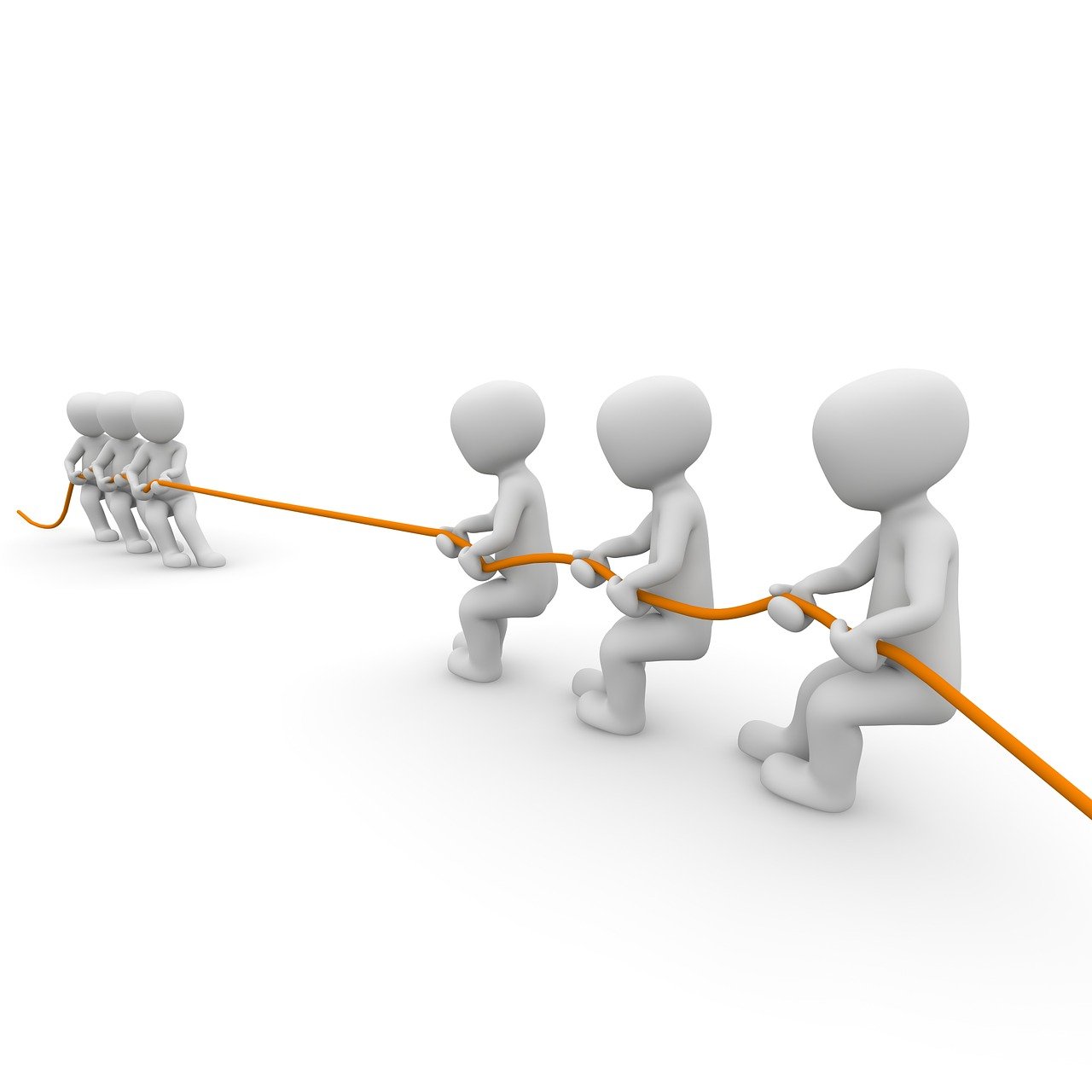

Tug of War as a Rehabilitation Exercise
Tug of War is an engaging team sport that promotes camaraderie, strength, and physical fitness. It is often overlooked as a rehabilitation exercise, yet it provides numerous benefits for individuals recovering from various physical or psychological challenges. The sport requires teamwork, coordination, and strategic planning, making it an excellent choice for rehabilitation programs. Participants work together to achieve a common goal, which fosters social interaction and emotional support. Many rehabilitation facilities are integrating Tug of War into their programs to help patients rebuild strength and confidence. The versatility of Tug of War allows it to be modified for different skill levels, making it accessible for nearly anyone. Whether used for strengthening lower limbs or upper body muscles, the exercise adapts well for various rehabilitation needs. Furthermore, it keeps participants motivated and engaged, as individuals often enjoy the competitive aspect. Tug of War can also significantly enhance mental health by promoting teamwork and trust among partners. This article explores the benefits of Tug of War in rehabilitation settings and sheds light on its potential effectiveness for recovery.
Beyond physical health, Tug of War can also impact social interactions positively. Those recovering from injuries often struggle with feelings of isolation and uncertainty. Engaging in a team sport like Tug of War helps combat those feelings by encouraging camaraderie and social connection. Participants learn to communicate effectively and rely on one another for success, enhancing their interpersonal skills. Research supports that team-based activities can significantly improve mood and reduce feelings of anxiety. The shared experience of competing connects players and allows for the construction of new friendships. In a rehabilitation setting, this camaraderie is vital, enabling individuals to share their challenges and successes with others facing similar experiences. Building these connections facilitates emotional recovery and resilience, fostering a support network that extends beyond the sport itself. Furthermore, this enhanced social interaction can lead to improved outcomes in rehabilitation, as participants feel more motivated to achieve their goals. Tug of War thus serves as a tool not just for physical recovery but also for enhancing emotional health and creating lasting memories of teamwork.
Physical Benefits of Tug of War
The physical benefits of participating in Tug of War are extensive and cannot be underestimated. Firstly, the sport develops essential muscle groups, mainly focusing on the legs, arms, and core. This comprehensive approach ensures balanced fitness, making it a suitable option for individuals at various stages of recovery. Tug of War is a full-body workout that increases strength and endurance; participants often report noticeable improvements in their physical condition after consistent practice. Additionally, because the sport requires teamwork, it encourages players to push themselves while building their confidence. Resistance against one’s opponents during a match stimulates muscle growth and endurance, which is crucial for rehabilitation. Moreover, the nature of the exercise promotes balance, coordination, and flexibility — all necessary components to recover fully. Regular participation can also improve cardiovascular health through increased heart rates and strengthened lungs. These physical benefits are significant for individuals looking to reclaim their pre-injury fitness levels. Overall, Tug of War presents a unique blend of physical training and emotional support in rehabilitation, enhancing recovery outcomes for participants.
As a rehabilitation exercise, Tug of War allows for adaptability in training. The activity can be modified to accommodate various fitness levels and rehabilitation stages, catering to diverse populations. For instance, participants who may struggle with mobility can engage in seated or modified versions of the sport. This inclusive approach ensures individuals with varying physical capabilities can still benefit from the exercise, promoting this innovative method of healing. Various techniques, such as adjusting the length of the rope or the number of players, allow for more personalized training experiences. Moreover, rehabilitation professionals can adapt Tug of War exercises to target specific recovery needs, whether they involve building endurance, strength, or agility. The flexibility of this sport combines fun and therapeutic elements. The anticipation of engaging with others while competing fosters motivation to participate in rehabilitation regimens. Variations of the sport can also prevent feelings of monotony often associated with traditional rehab exercises. By employing Tug of War, rehabilitation programs can enhance overall satisfaction among their participants, ultimately leading to better adherence and more effective recovery outcomes.
Mental Health Considerations
Addressing mental health is an essential aspect of rehabilitation, and Tug of War plays a crucial role in this regard. Engaging in team sports, like Tug of War, can stimulate feelings of accomplishment and self-worth, both vital for psychological recovery. The competitive nature of the sport enables participants to experience adrenaline and enthusiasm, which can be a substantial mood booster. Victory, even in friendly matches, leads to increased self-efficacy, empowering participants to tackle their rehabilitation goals with renewed vigor. Moreover, the teamwork aspect nurtures emotional support; players learn to trust each other, building bonds that can alleviate post-rehabilitation loneliness. Structured efforts like Tug of War can also offer a healthy outlet to channel frustrations associated with recovery. Those who participate can verbalize their feelings with teammates, which fosters a sense of community and encourages open dialogue about struggles. These moments of shared experience can reduce feelings of anxiety and depression, creating a more comprehensive rehabilitation protocol. Tug of War’s impact on mental health ultimately complements its physical benefits in achieving holistic recovery.
Implementing Tug of War into rehabilitation programs requires careful consideration of safety and supervision. Practitioners must ensure that participants are given proper instructions about technique and safety measures to minimize injuries. This includes thorough warm-ups and cool-downs to prepare the body for exertion. Additionally, utilizing experienced facilitators can enhance the learning environment. They can oversee matches, adjusting them to the participants’ abilities and comfort levels. Ensuring that safety equipment is available and employed is also vital. Organizations should conduct risk assessments to evaluate physical and environmental factors that could interfere with safe play. Understanding each participant’s limits is essential for preventing injuries during the game. Communication between players must be encouraged to ensure everyone feels heard and comfortable. Implementing these safety protocols fosters an environment where individuals can focus on their rehabilitation goals without unnecessary fear. Practitioners should also facilitate post-activity discussions, encouraging feedback on experiences. By prioritizing safety and collaboration in Tug of War, rehabilitation programs can provide an enriching, enjoyable, and effective exercise that enhances recovery and builds essential life skills.
Conclusion and Call to Action
In conclusion, Tug of War is an innovative and effective rehabilitation exercise that transcends traditional methods. It builds physical strength, improves mental health, and cultivates social connections, making it a holistic approach to recovery. Rehabilitation programs looking to diversify their offerings should seriously consider incorporating this compelling team sport. The benefits of Tug of War extend beyond physical improvement; the emotional connections formed through teamwork foster resilience and independence in individuals. Thus, individuals seeking rehabilitation or facilities looking to enhance their programs should encourage participation in Tug of War for a transformative experience. It not only speeds up recovery but also creates a sense of community among players. If you know someone involved in a rehabilitation journey, introduce them to Tug of War, allowing them to realize their potential alongside others. This unique approach to rehabilitation enhances physical recovery and encourages positive mental health. Tangibly promote and advocate for the adoption of Tug of War in recovery settings, ensuring more individuals can reap its myriad benefits. By doing so, we can reshape rehabilitation to be more inclusive, effective, and enjoyable.