
Understanding Sweat Rates to Customize Hydration Plans
When it comes to athletic performance, understanding sweat rates is crucial for optimizing hydration strategies. Sweat rates vary significantly among individuals based on factors such as body size, fitness level, and environmental conditions. Athletes need to assess their unique sweat rates for effective hydration planning during workouts or competitions. By measuring sweat loss, athletes can determine how much fluid they should consume to maintain hydration and prevent dehydration. Monitoring factors like fluid intake and urine color can also provide insights into hydration status. Detailed guidelines recommend that athletes weigh themselves before and after exercise, as this will help quantify sweat loss accurately. It’s common for athletes to lose between one to five liters of fluid per hour, depending on the intensity and duration of their exercise. This wide range emphasizes the need for personalized hydration strategies. Athletes should consider not just water but also electrolyte-rich beverages, especially for prolonged activities in hot and humid environments. Customized hydration plans can significantly enhance performance and recovery, ensuring athletes can train and compete at their best.
Hydration for athletes isn’t merely about drinking water. It’s essential to understand how electrolytes play a vital role. Electrolytes, including sodium, potassium, and magnesium, are lost through sweating and are crucial for maintaining fluid balance and nerve function. Proper hydration management incorporates both fluid and salt intake. For athletes engaging in prolonged or intense exercise, replacing electrolytes lost through sweat can prevent muscle cramps and fatigue. Therefore, electrolyte drinks often become a staple in an athlete’s hydration toolkit. To effectively customize hydration plans, athletes should monitor their sodium loss through sweat. For instance, runners may benefit from sports drinks that provide both hydration and electrolyte replenishment. Some athletes might prefer homemade versions by adding salt to their water or consuming salty snacks. It’s essential to strike a balance, as overconsumption of electrolytes can also lead to health issues. Continuous assessment of hydration status during training sessions can inform athletes whether they need to adjust their fluid and electrolyte intake. Ultimately, customizing hydration plans around personal needs, sweat rates, and electrolyte loss can facilitate peak athletic performance.
The Importance of Pre-exercise Hydration
Before any training session or competition, hydration plays a crucial role in performance. Pre-exercise hydration prepares the body by ensuring that athletes start their physical activity in an optimal state. Dehydration prior to exercise can lead to a decline in performance, increasing the risk of heat-related illnesses. Athletes must consume fluids before their workouts, ideally two to three hours ahead. This allows adequate time for absorption and helps ensure fluid balance. The general recommendation is to drink about 15-20 ounces of water or a sports drink to prehydrate the body. In addition, athletes should consider their sweat rates and the environmental conditions. The hotter the environment, the more fluids are required to stay effectively hydrated. The goal is to enter training or competition fully hydrated, thus reducing the chances of fatigue and improving overall performance. Athletes should also be aware of their body’s response to hydration. Experimenting with different amounts of fluid intake helps identify what feels best, enabling optimal performance results. Pre-exercise hydration is a foundational aspect of effective hydration strategies for athletes.
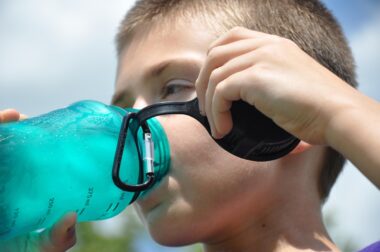
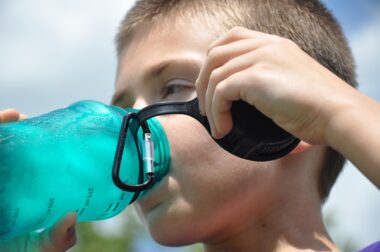
During prolonged exercise, hydration becomes a dynamic and continuous process. It’s not enough to hydrate beforehand, as athletes must drink fluids during their activities too. The need varies between individual athletes, facilitated by their sweat rates and exercise intensity. Experts recommend drinking based on a defined schedule, such as every 15-20 minutes, to maintain hydration levels consistently. The type of beverages consumed can significantly impact hydration. For instances where high-intensity training lasts more than an hour, sports drinks with carbohydrates and electrolytes are beneficial. They replace fluids and provide energy simultaneously. For shorter sessions, water may be sufficient. Importantly, athletes need to listen to their bodies and monitor for signs of dehydration such as dizziness or fatigue. Tailoring hydration strategies during exercise also involves factors such as temperature and humidity; hot weather demands more aggressive fluid intake. Moreover, it’s advisable for athletes to keep track of their urine color throughout sessions. A light straw color indicates adequate hydration, while darker hues suggest increased hydration needs. Adapting fluid intake continuously allows athletes to perform at their best.
Post-exercise Hydration Recovery
Post-exercise hydration is equally vital to an athlete’s overall hydration strategy. After physical activity, the body requires replenishment of fluids lost during exercise to recover effectively. Ignoring this stage can hinder recovery and affect future performance. Athletes should aim to drink a mixture of water and electrolyte beverages immediately following their workout. This replenishment should ideally occur within 30 minutes of finishing exercise. Research suggests athletes can benefit from consuming roughly 16-24 ounces of fluids for every pound lost during exercise. Recovery drinks should contain adequate amounts of carbohydrates to restore glycogen stores and electrolytes, which are crucial for muscle repair. Additionally, incorporating fruits or snacks post-exercise can provide extra hydration benefits due to their high water content. Monitoring the body’s response to recovery routines remains important. Athletes should adjust their hydration strategies based on how they feel during the recovery process. Over time, refining these strategies can lead to better performance outcomes and overall health as effective hydration creates a solid foundation for athletic endeavors.
Incorporating technology can revolutionize the way athletes track hydration. Advances in wearable devices allow athletes to monitor their sweat rates and hydration status in real-time. These tools offer valuable insights, helping athletes understand their fluid and electrolyte needs more accurately. By integrating data collected from wearables, athletes can personalize their hydration strategies further. Many devices now feature apps that advise on fluid intake requirements based on environmental conditions and individual sweat rates. Understanding trends over time can also enhance hydration strategies, making adjustments as personal performance evolves and demands change. In addition, community tools and platforms allow athletes to share and compare hydration techniques, which can yield new ideas and approaches. Utilizing technology streamlines tracking and helps maintain consistent hydration habits. Learning from data can also optimize performance by avoiding overhydration or dehydration risks. The seamless incorporation of technology into training regimens emphasizes a modern approach to hydration strategies. Ultimately, effectively integrating these advancements can empower athletes, enabling them to achieve ambitious fitness goals while avoiding pitfalls associated with inadequate hydration.
Conclusion
In summary, understanding sweat rates is fundamental for customizing hydration plans for athletes. Individualized strategies that account for personal sweat loss, environmental conditions, and exercise intensity play an integral role in maximizing performance and recovery. An athlete’s journey begins with proper pre-exercise hydration, continues with ongoing fluid intake during workouts, and finishes with effective post-exercise hydration to foster recovery. The combination of water, electrolyte drinks, and nutritional strategies ensures that athletes can stay hydrated while meeting their specific physiological needs. By leveraging technology, athletes can better monitor and refine their hydration practices. This ongoing evolution in hydration management maximizes health outcomes and athletic success. Therefore, staying informed and responsive to hydration needs should be a priority for athletes at all levels. The connection between optimal hydration strategies and athletic performance is undeniable, and it impacts an athlete’s overall physical and mental well-being. Emphasizing these practices creates a foundation for achieving notable performance results, allowing athletes to reach their peak potential while enjoying the journey toward their athletic goals.