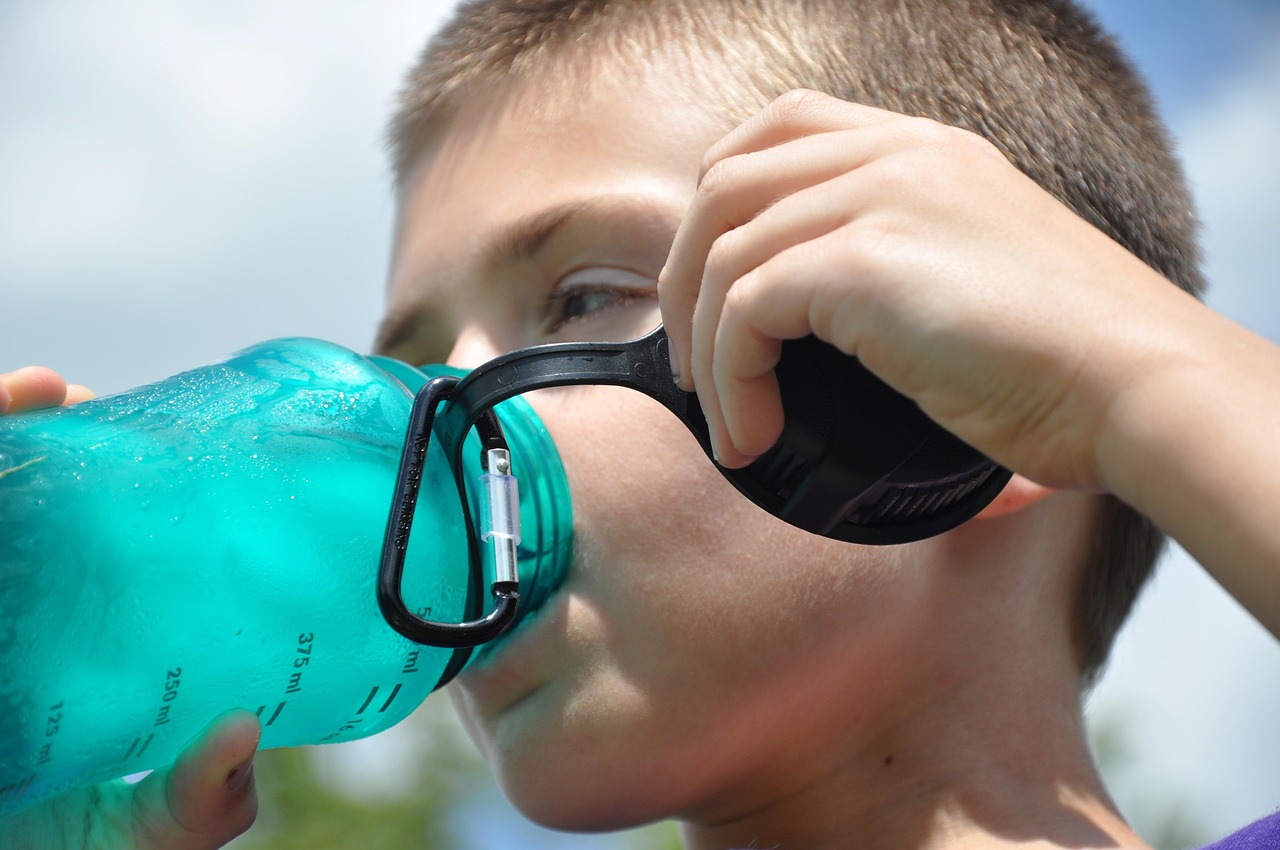

How to Prepare Your Hydration Plan for Competition
Creating a hydration plan for competition is crucial for optimal performance. Athletes often underestimate their fluid needs, which can lead to dehydration and decreased performance. An effective hydration strategy begins with understanding your personal needs based on factors like body composition, activity level, and environmental conditions. Before the event, particularly in training, track your fluid intake alongside your urine color to assess hydration levels. It’s essential to experiment with different drinks such as plain water, sport drinks, or electrolyte solutions during these training periods. This will help you determine what works best without making adjustments on game day. Additionally, it’s important to pre-hydrate before the competition day begins. Aim for adequate hydration in the days leading up to your event, focusing on hydrating effectively during your meals. Consider weighing yourself before and after training sessions to monitor fluid loss and assess how much you need to replenish. Proper hydration can enhance performance, making this planning process essential for any serious athlete. With practice and awareness, you can establish a tailored hydration plan that effectively supports your performance goals during competitions.
Understanding Electrolytes
Electrolytes play a significant role in hydration strategies for athletes. When you sweat or engage in prolonged exercise, not only do you lose water but essential minerals such as sodium, potassium, and magnesium. These elements are critical for maintaining fluid balance and ensuring proper muscle function. Incorporating electrolyte-rich drinks into your hydration plan can help restore these vital nutrients lost during intense physical activity. It’s essential to choose beverages that suit your specific needs, not all drinks are created equal. When selecting an electrolyte beverage, check labels for sodium, potassium, and sugar content, ensuring they align with what you require based on workout intensity and duration. Additionally, practice consuming these beverages during training rather than competition, allowing your body to adapt to any new sources of electrolytes introduced. Also, pay attention to signs of electrolyte imbalance such as muscle cramps or fatigue, which can be indications you need to adjust your strategy. By making informed choices about electrolyte replacements, you are supporting not just hydration but overall athletic performance as well. Understanding and managing these elements can significantly enhance your competitive edge.
Knowing when and how much to hydrate is also crucial. Generally, you should start hydrating well before the competition begins, ideally 24 hours in advance. This pre-hydration period is important to ensure your body is adequately prepared. Drink to satisfy your thirst, and if needed, monitor your hydration status through regular urine checks, aiming for pale yellow color. On competition day, consume fluids at regular intervals to stay hydrated. Thirst is not the only sign to rely on; a systematic approach might serve better. For endurance events lasting more than an hour, consider drinking every 15 to 20 minutes during activity. This will help replace fluids lost through sweat and maintain performance levels throughout the event. Overhydrating, on the other hand, can lead to dilutional hyponatremia, which is a dangerous condition caused by excessive fluid intake. Recognizing your body’s signals and implementing a structured strategy will ensure you remain hydrated without risking your health. By understanding your needs, you can hydrate effectively, leading to enhanced performance and a more enjoyable competitive experience.
Another pivotal aspect of your hydration plan should involve food. Certain foods can greatly contribute to your hydration levels, often overlooked by athletes. Incorporating water-rich foods into your diet can provide additional hydration support and vital nutrients. Fruits like watermelon, oranges, and vegetables like cucumbers are excellent choices because they contain high water content and essential vitamins. Balancing your hydration with solid foods rich in liquid allows for gradual hydration absorption. Eating meals that include these foods, especially around training sessions, can enhance hydration without relying solely on liquids. Additionally, consider your carbohydrate intake, as they can also affect hydration levels. Consuming carbohydrates before and during the event promotes better fluid retention. Experimenting during training with food choices and hydration combinations will help you find what works best for your body. By integrating hydration through diet, you not only improve your fluid intake but also provide your body with essential nutrients necessary for optimal performance. This holistic approach will set you up for success on competition day.
Adjusting for Conditions
It is essential to adjust your hydration plan based on environmental conditions. Weather can significantly affect your hydration needs and should be a key consideration during the planning phase. Hot and humid conditions will require increased fluid intake, while cooler temperatures may lower your needs but should not be ignored. Athletes often overlook hydration in cooler weather, mistakenly thinking they do not need as much water. Monitoring the temperature and humidity levels leading up to your event can help you anticipate the fluid loss you may experience. Preparing for varying conditions can make a substantial difference in your performance. Right before your event, analyzing these factors allows you to tailor your hydration strategy effectively. Additionally, be prepared to adapt your strategy on the fly; conditions can change. If you find yourself sweating more than anticipated, increase your fluid intake accordingly. Being flexible and responsive to changing situations is key to curing dehydration symptoms and maintaining performance. Regularly assess your fluid levels, and you’ll find your ability to perform stays at optimal levels despite environmental challenges.
As the competition nears, familiarize yourself with beverage-focused strategies for your unique needs. Many athletes benefit from custom formulations tailored to their requirement levels, especially for endurance competitions. Selecting the right hydration products can improve performance, but experimenting during training is crucial. Try various electrolyte drinks, gels, or chews to see how your body reacts before using them in critical situations, such as competitions. Creating a detailed hydration schedule leading up to the event, including what and when to consume each type, can further enhance your performance. Too often, athletes try something new on competition day, leading to disastrous results. Your drink should provide not only hydration but also energy and recovery support. Timing and quantity can make a difference in how effectively your body utilizes these products. Stay consistent with your chosen strategy, adjusting as necessary based on prior training feedback. By understanding what your body needs during various activities, you will be equipped with a solid hydration plan that effectively prepares you for any competition, setting you up for success when it counts most.
Post-Competition Recovery
After your competition, hydration does not stop. It’s essential to focus on recovery hydration as well, as your body will need to replenish lost fluids and nutrients. The post-event period is critical; starting your replenishment within 30 minutes of finishing can optimize recovery. Consuming a combination of fluids, carbohydrates, and proteins can significantly benefit this phase. Aim for electrolytes during this time as well, as recovery is about restoring essential minerals lost through sweat. You might choose a specialized recovery drink or simply a mix of water and a snack. Keep in mind that water alone might not suffice for replenishing lost electrolytes, therefore incorporate sodium and potassium-rich foods. Additionally, regular hydration in the hours and days following the event will facilitate a speedier recovery. Document how you feel in the days after the competition; any signs of fatigue, headaches, or muscle soreness can indicate whether your post-competition hydration was effective. Remember that recovery is a crucial part of your hydration strategy—take timely and deliberate actions to maintain optimal health and performance levels post-competition.
Finally, always educate yourself on the latest hydration research and best practices. The world of sports nutrition is constantly evolving, and it is essential to keep up with the latest findings about hydration. Various studies provide insights that can refine your hydration strategies, ensuring they are up to date and effective. Attend workshops, read articles, or consult with a sports nutritionist to deepen your understanding. Hearing recommendations from professionals can provide you with new perspectives on traditional hydration methods. Networking with fellow athletes can also reveal unique hydration solutions that you might not have considered. Additionally, test your strategies across various training sessions and competitions to determine what enhancements can be made. Not only does this knowledge help in implementing improved hydration strategies, it also allows you to reinforce hydration as a priority in your overall training. By integrating new information and practices into your routine, you position yourself at a competitive advantage, ensuring your hydration plan supports your overall athletic goals. Continuous learning will enhance your performance and help you navigate the field of sports hydration with confidence.