
The Intersection of Virtual Reality, Biomechanics, and Sports Psychology
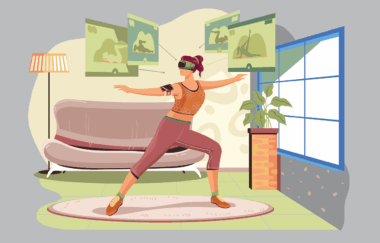
The realm of biomechanics has made remarkable strides with the incorporation of virtual reality (VR) technologies. This combination is crucial for athletes looking to improve performance. Virtual reality simulations provide athletes with a safe environment to practice and enhance their skills. By using VR, coaches can analyze movements and offer corrective feedback, which allows athletes to fine-tune their biomechanics without the risk of injury. The progression in VR also aids in recreating real-world scenarios, giving athletes the opportunity to train for specific situations. Additionally, virtual environments can simulate various conditions that athletes may encounter during competitions, enhancing their preparedness. This overall integration enhances the understanding of biomechanics, as movement patterns can be observed and altered effectively. Gear advancements, such as wearable sensors combined with VR, have opened new avenues for biomechanical analysis, offering real-time feedback to users. Moreover, as VR technology continues to advance, the potential for improved athlete training experiences expands significantly, providing an innovative way to explore the complexities of human movement.
The role of sports psychology is pivotal in understanding how athletes can leverage VR technology to achieve peak performance. Integrating psychology with biomechanics in VR settings allows athletes to visualize their techniques and emotions during competitions. Emphasizing mental training techniques alongside physical practice can lead to improved psychological resilience. VR simulations can create high-pressure situations that allow athletes to train their minds as well as bodies in a controlled environment. This practice helps reduce anxiety and boosts confidence, crucial factors contributing to athletic success. Additionally, the incorporation of mindfulness and relaxation techniques into VR scenarios can aid in managing stress levels effectively. Athletes can more effectively prepare for competitions by cultivating a growth mindset through these virtual experiences. Thus, the intersection of virtual reality and sports psychology creates a holistic approach to training, enhancing overall performance. Furthermore, the application of biofeedback within VR can provide insights into emotional and physical states, allowing athletes to optimize their training regimes fully. Understanding emotions can refine biomechanics to create effective techniques tailored for each athlete.
The Technological Impact on Training Dynamics
As technology evolves, so does the method of athlete training and performance analysis. Virtual reality paired with biomechanical assessments has redefined traditional training programs. Biomechanics provides crucial data on body mechanics, while VR offers immersive experiences that promote skill retention. Athletes can visualize their movements, helping them to better understand the mechanics behind each technique. Conversely, avatars in VR environments can replicate an athlete’s movements, allowing for accurate biomechanical analysis. This technological harmony ensures that athletes focus on the intricacies of motion, improving overall efficiency. Moreover, athletes utilizing VR can experience enhanced engagement during training sessions, as they mimic actual competition settings. The motivation derived from this immersive technology leads to increased training consistency, an essential component in elite athlete performance. Furthermore, the use of augmented feedback during VR training can solidify learning sequences through immediate corrections, fostering rapid skill improvement. It becomes evident how deeply intertwined technology, biomechanics, and athlete psychology are in shaping successful training dynamics. The blending of these elements continues to push the boundaries of sports science and performance artistry.
Integrating virtual reality into the realm of biomechanics not only aids in athletic training but also plays a crucial role in rehabilitation. Injured athletes can utilize VR environments to simulate movements they may not be able to perform in reality during recovery. This gradual approach minimizes the psychological trauma often associated with injuries, helping them regain confidence in their physical abilities. Additionally, VR provides a unique way to measure progress by allowing clinicians to track an athlete’s recovery journey meticulously. Tailoring rehabilitation exercises to a virtual platform can enhance motivation and efficiency in the healing process. As athletes progress, virtual reality can simulate more complex movements, ensuring that the recovery process challenges them without compromising safety. Furthermore, combining this technology with biomechanical feedback yields invaluable insights that guide rehabilitation protocols and personalized care. Clinicians can refine rehabilitation plans based on real-time data, creating a more adaptive recovery regimen. Consequently, VR effectively bridges the gap between physical therapy and biomechanics, reshaping the rehabilitation landscape for athletes. The future of rehabilitation holds immense potential as the benefits of these technologies continue to unfold.
Future Developments in VR Technology
The future of virtual reality in the field of biomechanics and sports psychology is brimming with potential innovations. Advancements in technology promise increasingly realistic simulations and more intuitive feedback systems. As VR headsets become more sophisticated, they will offer immersive experiences that closely mimic real-life situations, elevating athletic training beyond current limitations. Increasing versatility of VR applications opens avenues for personalized coaching tailored to individual biomechanics. Furthermore, machine learning algorithms may enhance VR’s ability to adapt scenarios based on user performance, making the training experience more effective and targeted. These innovations may empower athletes to push their limits while monitoring their biomechanics closely. Additionally, the integration of neurofeedback into VR experiences will enable athletes to fine-tune their motivation and focus levels during training and performance moments. The cross-pollination between industries such as healthcare, gaming, and fitness further fuels this development. As healthcare professionals explore new methodologies enabled by VR, athletes can expect an enriching training environment that identifies weaknesses and strengths effectively. Overall, the future of VR technology holds transformative potential for both training and rehabilitation within human performance.
The collaboration between biomechanics experts, sports psychologists, and technology developers is essential to maximize the potential of virtual reality. Such multidisciplinary cooperation fosters creativity and innovation, ultimately leading to groundbreaking tools. These tools allow athletes to excel through quantitative and qualitative analyses that were previously unattainable. Establishing channels for shared research will ensure the continuous evolution of VR applications within sports. Online platforms can facilitate collaborative efforts among experts, driving progress and investment in cutting-edge technologies. Additionally, educating athletes and coaches about VR’s benefits is vital to encourage widespread acceptance. Integration of VR tools within established training frameworks is necessary for seamless transitions from traditional methods. There is a need for studies validating the efficacy of VR hardware and software in various biomechanical applications. By addressing these concerns, athletes will be more willing to adopt these new technologies and benefit from their advantages over time. Consequently, a strong foundation of collaboration will create a thriving ecosystem of innovation. This ecosystem is poised to revolutionize how athletes train, rehabilitate, and perform under pressure in the competitive sports landscape.
Concluding Thoughts on Virtual Reality and Biomechanics
The convergence of virtual reality, biomechanics, and sports psychology has opened unprecedented horizons for athletes. The implications of this intersection are tangible in both training and rehabilitation contexts, showcasing the transformative power of technology in maximizing human performance. Athletes can benefit from immersive experiences, creating a solid foundation for mental and physical optimization. Furthermore, as VR technology advances, the potential for personalized and adaptable solutions continues to grow. This integration of technology will undoubtedly redefine sports science, offering new ways of imagining how athletes prepare for competition. By embracing these advancements, athletes can cultivate skills while simultaneously understanding their biomechanics and psychological trajectories. The ongoing dialogue between biomechanics, technology, and psychological preparation positions the athlete to achieve their full potential. As researchers and practitioners cultivate this interdisciplinary approach, the future remains bright for aspiring athletes and established professionals alike. It is an exciting time to explore the intersection of these domains, paving the way for innovative practices that will continue to shape the future of sports.
This article highlights the importance of exploring and expanding the boundaries of biomechanics, virtual reality, and sports psychology. As the industry evolves, continuous research and thoughtful collaboration will lead to groundbreaking discoveries. Rethinking traditional methodologies while incorporating advanced technologies will elevate athletic performance and empower athletes. A future fueled by innovation invites further exploration and examination of how these interconnected disciplines can lead to greater athlete success and resilience. This knowledge will equip practitioners with enhanced decision-making capabilities as they guide athletes through training, rehabilitation, and performance realms. Encouraging curiosity and fostering interdisciplinary connections can set a precedent for future advancements in sports and performance sciences. Through shared insights, continuous learning, and adapting to new cultural paradigms, the landscape of athletics evolves ever so rapidly. The role of technology remains essential, unlocking new possibilities that were once mere aspirations. Progress in this area will benefit not only elite athletes but also those in recreational sports. Hence, embracing these technological shifts will create opportunities for all individuals involved in sports, fostering a culture of excellence and dynamic growth.