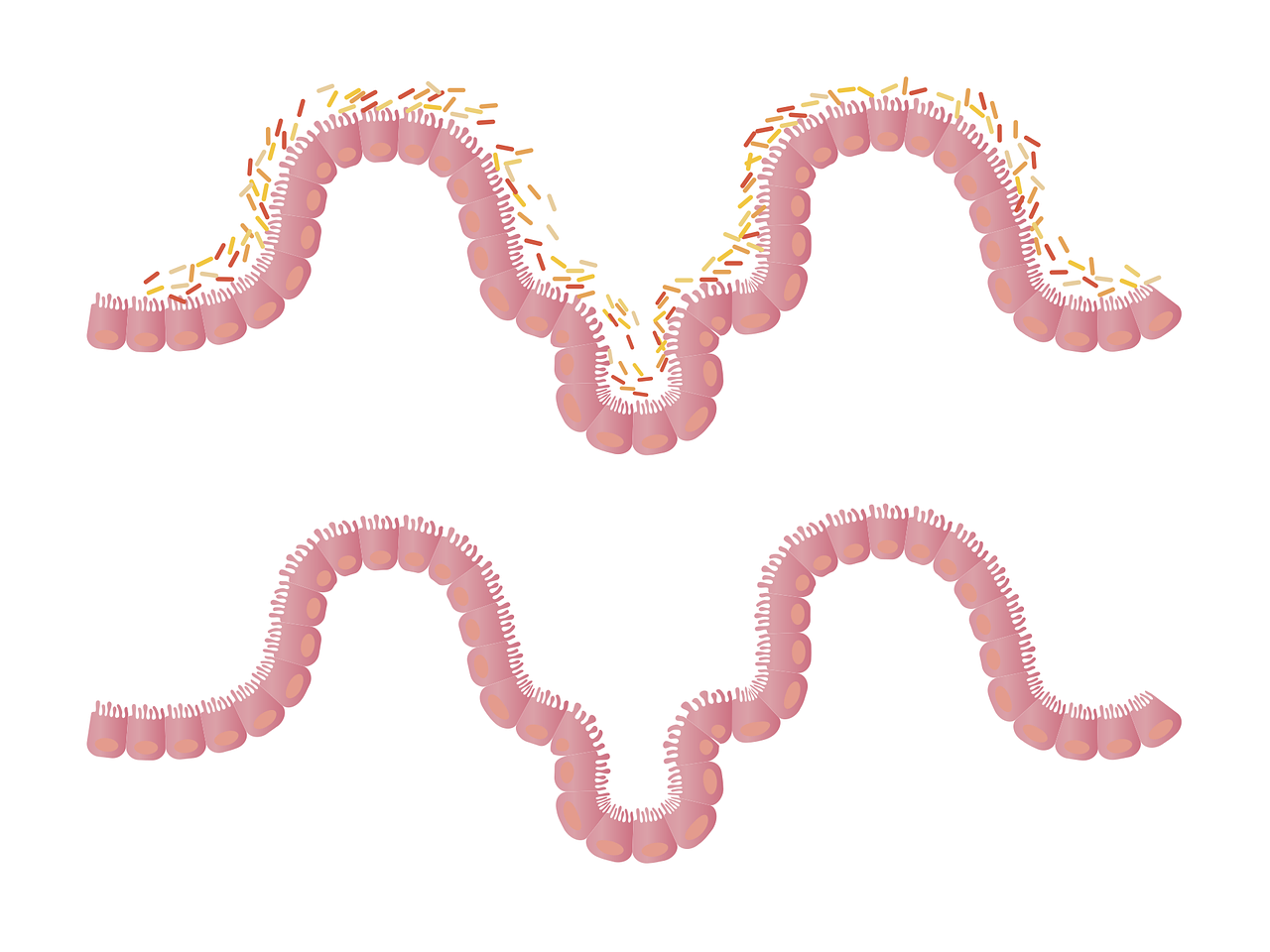

The Relationship Between Gut Health and Weight Management for Athletes
Understanding the connection between gut health and weight management is crucial for athletes seeking optimal performance. Gut health impacts digestion, nutrient absorption, and can even influence weight regulation. A well-balanced gut microbiome aids in processing food efficiently, enabling athletes to manage their weight effectively. Inadequate gut health can lead to inflammation, increased cravings, and fatigue, all detrimental to athletic performance. Studies suggest that athletes with a healthy gut microbiome tend to have better metabolic responses and improved energy levels. Additionally, gut health plays a role in regulating hormones such as ghrelin and leptin, which control appetite and satiety. Therefore, focusing on gut health is not just about digestion but integrates into broader weight management strategies. Athletes should prioritize whole foods such as fruits, vegetables, and probiotics to enhance gut health. Incorporating dietary fiber supports beneficial bacteria in the gut, promoting optimal functioning through nutrient absorption. It’s equally important to avoid highly processed foods that can disrupt microbiome balance. Implementing these changes can aid in maintaining an athlete’s desired weight and support overall health and performance in their sport.
To further enhance gut health, athletes should consider incorporating probiotics and prebiotics into their diets. Probiotics are live beneficial bacteria found in fermented foods like yogurt, kefir, and kimchi. They help restore gut balance and improve digestion, potentially leading to better nutrient absorption. Prebiotics, on the other hand, act as fertilizers for these beneficial microbes. Foods high in prebiotics include bananas, onions, garlic, and asparagus. By consuming a combination of both, athletes can optimize their gut flora. Adequate hydration is also essential, as fluids help maintain mucosal lining and prevent gut-related issues. Athletes should also be cautious of overuse of antibiotics, as these can disrupt gut microbiome balance and lead to weight gain or loss. Maintaining a diverse range of foods in one’s diet can further support gut health. This diversity encourages a rich gut microbiome, which is better equipped to handle various food components. Ultimately, the relationship between gut health and weight management is multifaceted, emphasizing that athletes must take a holistic approach to their nutrition for optimal results in their training and competition.
Impact of Diet on Gut Health
The type of diet athletes follow greatly influences their gut microbiome. High-fiber diets are beneficial for promoting gut health and weight management. Fiber-rich foods help maintain satiety, reducing the likelihood of unhealthy snacking and aiding in weight control. Conversely, diets high in sugars and unhealthy fats can lead to dysbiosis, an imbalance in gut bacteria that may promote weight gain and inflammation. It’s important for athletes to be aware of what they consume, as each food choice contributes to both gut health and weight management. Substituting processed snacks with nutrient-dense options can dramatically enhance gut flora. Nutrient-dense foods provide vitamins, minerals, and antioxidants that can help reduce oxidative stress on the gut. Furthermore, athletes should monitor their intake of artificial sweeteners, which may negatively affect the gut microbiome. It’s also crucial to avoid skipping meals, as this can negatively impact the gut’s ability to function efficiently. Balanced meal patterns lead to better energy and weight management. To support their weight management goals, athletes must be educated about the effects of specific foods on their gut health for improved performance.
Stress management plays a vital role in maintaining gut health and managing weight effectively among athletes. When under stress, the body produces cortisol, which can impact digestion and hormonal balance. Elevated cortisol levels have been linked to increased appetite and cravings for unhealthy foods, hindering weight management efforts. Incorporating stress-reducing techniques such as yoga, meditation, and controlled breathing can foster a healthier gut environment. Sufficient rest and recovery are equally important as they contribute to reduced stress levels. Sleep quality affects gut health, with poor sleep potentially leading to dysbiosis and weight fluctuations. Athletes should aim for consistent sleep patterns to improve recovery and overall gut function. Additionally, engaging in regular physical activity boosts gut health by promoting the movement of food through the digestive system, enhancing feelings of fullness. It also supports better mood and mental well-being, creating a positive feedback loop for the athlete. To truly optimize gut health for weight management, athletes must commit to a lifestyle that enforces balance, incorporating physical activity, stress management, and proper nutrition. A comprehensive approach leads to sustained performance and health benefits.
The Role of Hydration
Hydration is often overlooked in discussions about weight management but is intrinsic to gut health. Staying adequately hydrated assists in digestion and nutrient absorption, ensuring that the digestive system operates smoothly. Athletes tend to lose significant amounts of fluid during training and competition. Therefore, diligent hydration strategies are necessary to maintain optimal gut function and overall health. The right amount of hydration can affect how well the gut processes food, playing a part in metabolic efficiency. Additionally, hydration can help mitigate cravings that contribute to unhealthy eating habits which can impact weight management. Performances enhance when athletes are well-hydrated as energy levels remain stable. It’s advisable for athletes to prioritize water and electrolyte-rich beverages, especially post-exercise. Monitoring hydration can even assist in understanding weight fluctuations, as changes in fluid levels may misrepresent actual weight loss or gain. Including soups and smoothies in daily meals can also contribute to hydration levels. Implementing a structured hydration plan can assist athletes in meeting their performance goals while simultaneously supporting gut health and effective weight management strategies.
Supplementation for gut health often raises eyebrows among athletes striving to enhance performance and manage their weight. While some supplements can indeed be beneficial for gut health, athletes should approach them carefully. Nutritional supplements such as omega-3 fatty acids and fiber can support gut function and overall fat reduction. However, it’s essential to consult with a healthcare professional before starting any supplementation to ensure that it aligns with individual health needs and goals. Eating whole, nutrient-dense foods should always be the priority, as these provide vitamins and minerals necessary for gut health. Athletes may benefit from targeted supplementation if dietary sources are inadequate, further emphasizing the importance of personalized nutrition. It’s also key to monitor how supplements affect overall performance and weight management. Each athlete’s body responds differently, making it vital to track any changes that occur post-supplementation. Ultimately, while supplementation may aid in achieving specific health goals, it should complement a robust diet and not replace the fundamental need for well-rounded nutrition. A well-balanced approach supports gut health while effectively managing weight for optimal athletic performance.
Conclusion
In conclusion, the relationship between gut health and weight management is crucial for athletes striving for peak performance. Understanding how gut health impacts overall well-being can guide athletes toward effective nutrition strategies. Key components such as diet, hydration, stress management, and appropriate supplementation play important roles. Incorporating whole foods, staying hydrated, and managing stress can enhance gut function and efficiency while helping maintain a healthy weight. Each of these aspects contributes to improved metabolic health, energy levels, and athletic performance. Therefore, athletes need to focus on maintaining a healthy gut microbiome, which in turn supports their weight management efforts. By adopting a personalized approach that considers individual needs and responses, athletes can foster an environment conducive to success. Investing time and effort in gut health is essential for performance optimization. Furthermore, this paradigm signals a shift in how athletes perceive health and nutrition, recognizing the gut’s pivotal role. Ultimately, embracing these principles can lead to improved health, enhanced performance, and long-term success in their respective sports. Through consistent adoption of these habits, athletes can unlock their full potential both on and off the field.
Consider integrating strategies that prioritize gut health into daily routines for better results. The long-term impact of these changes pays dividends in athletic pursuits.