
Trail Running Shoe Maintenance Tips for Longevity
Your trail running shoes are your best friends on the rugged terrain. To keep them performing optimally, regular maintenance is essential. Begin by cleaning your shoes after every run, especially to remove mud and debris. Use a soft brush and mild soap to clean them, avoiding harsh cleaners that may damage materials. After washing, air-dry them at room temperature and never place them in the dryer, as high heat can warp the shape and affect structural integrity. Check the laces for wear and tear, replacing them if frayed to ensure proper fit and safety. Store your shoes in a cool, dry place away from direct sunlight. Remember, moisture can lead to mold, significantly shortening their lifespan. Occasionally inspect the soles for signs of excessive wear or damage, which can affect grip and stability. Additionally, if your shoes come with removable insoles, consider washing or replacing them regularly to maintain good hygiene and cushioning. By implementing these tips, you can extend the life of your trail running footwear and enjoy many more adventures on your favorite trails.
Another critical aspect of shoe maintenance involves the usage frequency. If you’re an avid runner, consider rotating between two or three pairs of trail shoes. This allows each pair to air out fully and reduces the risk of wear concentration. The cushioning on shoes gets the chance to decompress and regain their shape between runs. Furthermore, it’s a good idea to keep track of the mileage on each pair. Most running shoes last about 300 to 500 miles before needing replacement. Keeping a log of your runs can help you know when it’s time for a new pair, ensuring optimal performance without compromising your safety. Additionally, choose shoes that are appropriate for the specific kind of trails you run on, whether rocky, muddy, or flat. Different terrains require varied features in shoes, thus enhancing your overall running experience. Properly maintaining your shoes not only saves you money in the long run but can also enhance your performance by preventing injuries caused by worn-out footwear. So, establish a routine for checking and caring for your shoes and enjoy longer-lasting reliability in all your trail adventures.
Proper Drying Techniques
Drying your trail running shoes correctly is crucial for maintaining their longevity. After cleaning, remove the insoles and let them air out separately to prevent moisture buildup, which can create odors or mildew. Stuff the shoes with newspaper or clean towels to help absorb excess moisture and maintain their shape. Avoid direct sunlight or heat sources like radiators, which can cause the shoe’s materials to warp or degrade over time. If you’re dealing with particularly damp shoes, consider placing them in a well-ventilated area at room temperature. Allowing them to dry naturally prevents unnecessary damage and ensures the materials retain their flexibility and support. It’s best to let them dry for at least 24 hours before wearing them again. This isn’t just about comfort, but also ensures the integrity and performance of your shoes. Remember that paying attention to drying techniques can enhance the effectiveness of any waterproof features your shoes might have. Maintaining the structure and elasticity of the materials will protect your feet against injuries, making your runs safer and more enjoyable on those adventurous trails.
Regular inspections are another vital maintenance tip. Take time after each run to inspect your shoes for any signs of damage, particularly focusing on the soles, seams, and upper materials. Look for cracks, loss of traction, or any areas that appear compromised. Early detection of wear can help you address issues before they become significant problems. Consider resealing seams if you notice any wear and tear on waterproof models. If your shoes lack adequate tread after numerous runs, it may be time to replace them to prevent slips and falls. Additionally, if you’ve trained in wet conditions frequently, examine the integrity of the waterproof feature. Shoes that have lost their waterproof capabilities can lead to blisters and increased discomfort. If you’ve invested in a quality pair of trail shoes, your commitment to regular inspections speaks volumes about your dedication as a runner. Overlooked wear could lead to injuries on the trail, which can sideline you for weeks. Establish this inspection habit as part of your running routine to ensure safe and enjoyable outings in nature, preserving your footwear investment for the long haul.
Cleaning Tips for Trail Shoes
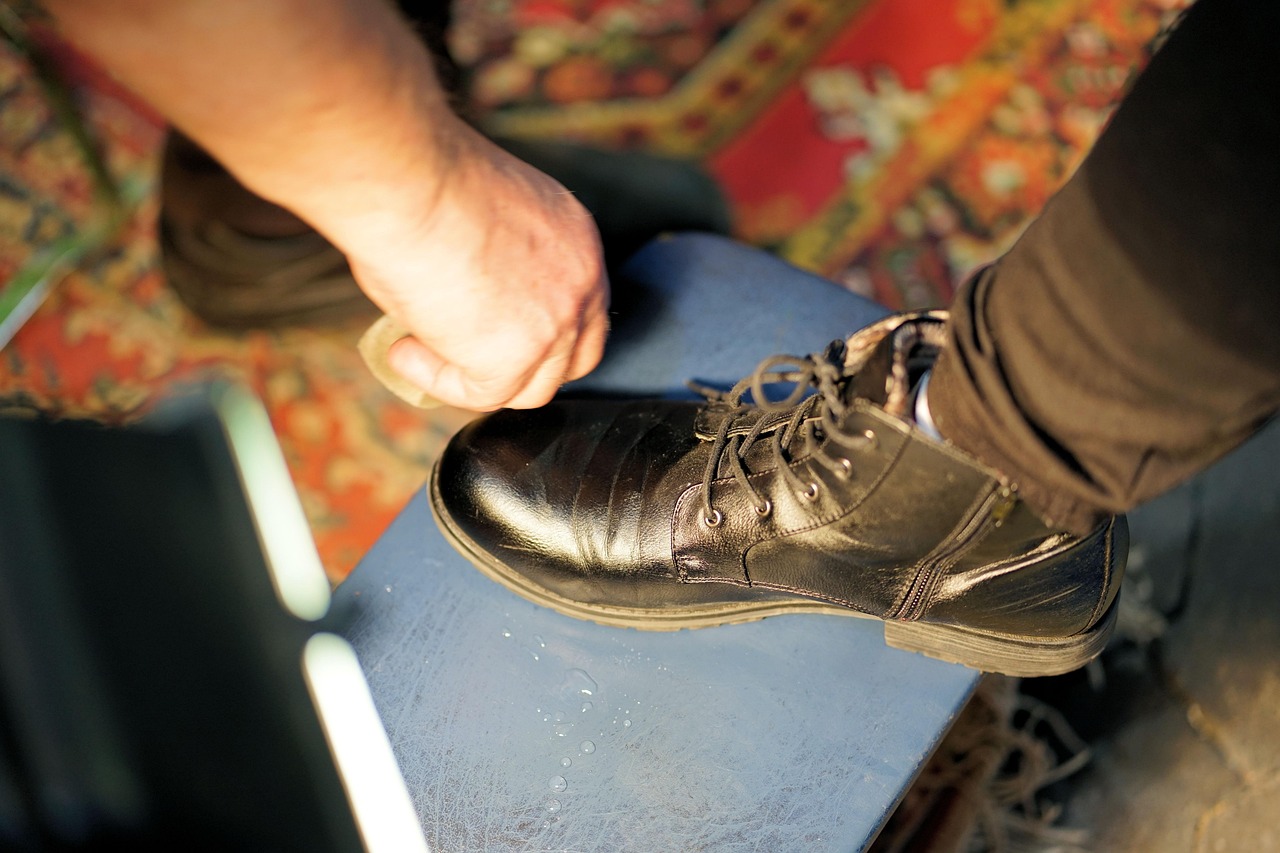
When it comes to cleaning your trail running shoes, understanding the materials is crucial. Trail shoes may be constructed from water-resistant fabrics, mesh, and rubber soles, all of which require special attention. To prevent damage, avoid washing them in a washing machine, as the agitation can warp the shoe. Instead, utilize a soft brush to scrub off dirt and mud, and use a damp cloth to wipe down the upper sections. For stubborn stains, a mixture of water and mild detergent is often effective. Be cautious not to saturate the shoes, particularly if they’re designed for water resistance, as over-saturation can diminish these features. After cleaning, always let shoes dry naturally in a well-ventilated area. Maintaining the surface of your trail shoes not only impacts their appearance but also helps preserve functionality. Dirt buildup can affect breathability and moisture-wicking capabilities, leading to discomfort and blisters. Regularly cleaning your shoes means they will remain lighter, more comfortable, and most importantly, more reliable during your runs. Keep your gear in top shape and find joy in every step you take on your trail adventures.
Proper shoe storage plays a significant role in maintaining your trail running shoes. Instead of tossing them in a closet or leaving them in a damp area, choose a cool, dry location for optimal preservation. Look for a storage bin with ventilation to prevent moisture accumulation, which can lead to mold and odor development. If you can, store each pair in a mesh or breathable bag to ensure airflow while also protecting them from dust. It’s also wise to avoid stacking heavy objects on top of your shoes, which could warp their shape. As an added tip, consider adding cedar shoe trees to help absorb moisture and retain their form. By creating the right environment for your shoes, you not only prolong their life but also keep them fresh and ready for your next outing. When you take the time to care for your shoes even when they aren’t in use, you ensure you’re always prepared for your next trail run. Developing a habit of proper storage can prevent unwanted issues, ensuring optimal performance and comfort on the trails.
Insoles and Personalization
Another important aspect of trail running shoe maintenance is focusing on insoles. The right insoles can significantly affect comfort and performance, so consider investing in high-quality, orthotic options tailored to your foot shape. Regularly check your insoles for signs of wear and replace them as needed to maintain cushioning and support. Custom insoles can help with specific issues like arch support or pronation control, enhancing your overall running experience. Whether you opt for store-bought or custom insoles, ensure they fit correctly within your shoes to prevent discomfort during your runs. If your shoes came with removable insoles, take the time to clean them periodically to minimize odors. A fresh insole not only offers comfort but it also helps in preventing injuries. Keep in mind that comfort is critical when running on trails, as uneven surfaces can increase fatigue. Adding high-quality insoles can bridge the gap for those who need that little extra support out there on challenging paths. Make it a habit to assess your insoles just like you do the shoes themselves, ensuring every run is enjoyable and safe.
Finally, pay attention to the signs of wear and heed them seriously. As your shoes age, certain changes signify that they may need replacing. A noticeable decrease in cushioning or support after longer runs could indicate worn-out materials that can lead to discomfort or injuries. During a run, if you experience blisters or unusual soreness, it could be time to consider new footwear as it might not be providing adequate support anymore. Additionally, if you notice the sole’s tread is smooth or uneven, replacing your shoes will help reduce slip risks and enhance grip on trails. Running in worn-out shoes can lead to injuries that take weeks to heal, so prioritizing your footwear’s condition is essential. Make it a habit to routinely assess your shoes based on mileage and performance feedback from your body. Remember, maintaining your trail running shoes is about preserving their longevity and establishing a safe running experience. Regularly evaluating and caring for your footwear gives you the peace of mind you need while out enjoying nature in your favorite trails.