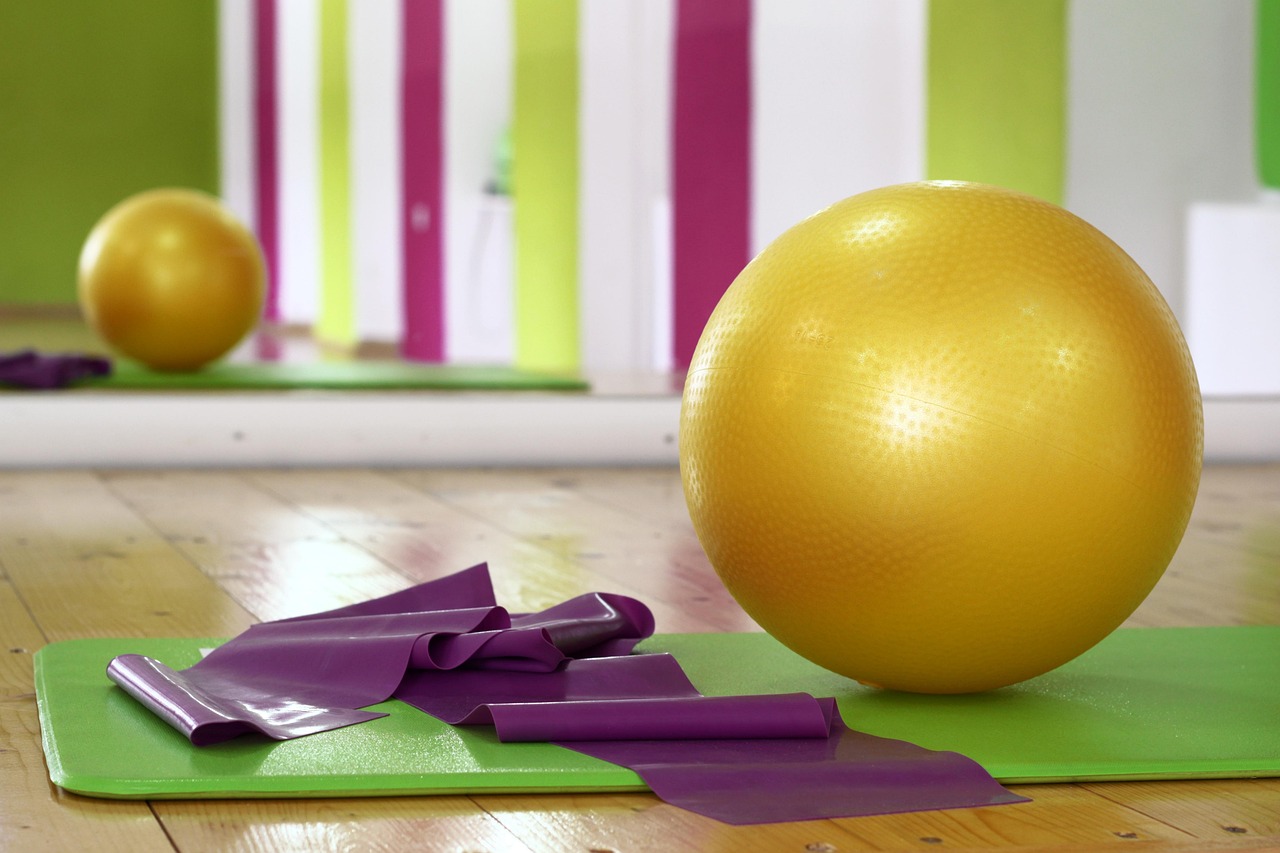

Using Pilates Principles for Core Training in Sports
Core training plays a crucial role in enhancing athletic performance and injury prevention, and Pilates principles offer an effective approach to strengthen the core. Originating from the unique system developed by Joseph Pilates, these principles emphasize control, precision, and breath. Core muscles are not solely about abdominals; they include the deep pelvic, back, and diaphragm muscles. Integrating Pilates principles into core training can lead to improved body awareness, flexibility, and balance. This holistic focus supports athletes across sports disciplines by employing both static and dynamic movements, promoting endurance in core muscles. Additionally, Pilates fosters mental focus, essential for performing under pressure. Athletes may notice better stability during their sports activities as they reduce the risk of injuries. Moreover, integrity of the spine and pelvis is prioritized in Pilates, allowing athletes to maintain proper alignment. This strong foundation translates into improved performance and efficiency in movement. To begin, athletes can incorporate Pilates exercises such as the plank, roll-up, and bridge into their training routines, dynamically engaging their entire core in varied ranges of motion. Thus, these exercises directly correlate with sporting movements and demands.
Incorporating Pilates into core training requires understanding its key principles, notably breathing, concentration, and alignment. Breathing plays a vital role in maximizing oxygen flow during each exercise. Focusing on proper alignment helps mitigate the risk of injuries while ensuring effective core engagement. Concentration elevates the effectiveness of each movement, as adopting the proper mindset encourages improved performance. When athletes apply these principles during their training, they build an awareness of how to move their bodies efficiently. Activities such as breathing exercises, proper posture drills, and mindfulness during movements bring the training experience to life. Athletes learn to connect their movements through their breath, resulting in fluid performance. Furthermore, practicing stability during Pilates can enhance balance and coordination, both essential skills in sports. As athletes learn to control their center of gravity, they become more adept at making quick moves during competition. Pilates also aids recovery post workouts by enhancing circulation and reducing muscle soreness through gentle movements. This significantly accelerates the rehabilitation of any injuries, allowing athletes to safely return to competition. Ultimately, combining core training and Pilates results in a comprehensive performance strategy that benefits athletes across disciplines.
To fully appreciate the benefits of Pilates, it is essential to engage in a variety of core-centered exercises. Some common Pilates exercises that emphasize core strength include the teaser, single-leg stretch, and the hundred. Engaging in these exercises strengthens the rectus abdominis, obliques, and transverse abdominis, creating a solid core foundation. The teaser promotes upper and lower body coordination, while the single-leg stretch integrates movement with breath, emphasizing control. The hundred requires core stabilization, enhancing endurance, making it a preferred choice among athletes. By regularly practicing core exercises such as these, athletes can expect to notice significant improvements in their overall strength, stability, and flexibility. Additionally, the added focus on controlled movements encourages mindful training, allowing for better integration of core strength within sports performance. Furthermore, many athletes find that implementing Pilates not only enhances their physical abilities but also builds mental resilience. Thus, embracing a mindset of adaptability and determination nurtures a stronger athlete. The unique marriage of these training principles ultimately creates a powerful synergy that benefits the principles of core training. Regular practice helps refine movement patterns and ultimately bolsters athletic performance, focusing on long-term improvements.
Safety and Effectiveness of Pilates in Core Training
Maintaining safety during core training is crucial; Pilates emphasizes this through its structured method. Employing modifications allows athletes of all levels to participate safely while they build strength. It is crucial to advance at a controlled pace, ensuring that exercises are performed correctly. Understanding one’s limitations is part of Pilates training, enabling athletes to avoid overexertion and therefore injury. Moreover, proper training incorporates awareness of biomechanics and body mechanics, which are essential for continual improvement without risk. Incorporating these aspects encourages good habits that translate into other athletic pursuits. Additionally, experienced coaches can enhance the effectiveness of Pilates by tailoring routines that align with individual athletic goals. Athletes benefit from personalized programs focused on their unique sports demands, maximizing the return on their investment of time and energy. Periodic assessments can allow athletes to track progress and adjust their routines accordingly. Ultimately, this alignment between Pilates and individualized core training strategies fosters the best results. By encouraging athletes to remain mindful of their progression, Pilates helps in creating a sustainable approach to core training across their sporting journey.
Incorporating Pilates into regular training regimens has shown positive effects in various sports disciplines, particularly in improving performance metrics. Studies indicate that athletes engaging in dedicated Pilates routines exhibit enhanced balance, coordination, and muscle control. Furthermore, these physical benefits correlate with improved performance due to the increased core stabilization. For instance, runners often experience significant improvements in their gait efficiency after adopting core-focused Pilates techniques. Similarly, sports like gymnastics or swimming see marked strength gains and flexibility improvements as athletes harness the power of Pilates. These results also reflect how focusing on core strength contributes to power generation in explosive sports, like track and field, where the trunk plays a pivotal role. Athletes can leverage Pilates as a crucial component in their training strategies for both competitive success and injury prevention. By integrating such principles, they foster adaptability, ensuring a stronger foundation for all athletic movements. Moreover, enhanced recovery techniques attributed to Pilates facilitate effective post-performance recovery, allowing athletes to maintain an optimal training schedule. With strength, stability, and flexibility at their disposal, athletes are more optimally equipped to improve their performance outcomes.
Combining Pilates with Traditional Core Training
Integrating traditional core training methods with Pilates principles enriches the training experience uniquely. While traditional core training concentrates on strength-building exercises like crunches and planks, Pilates adds an element of control and fluidity. This holistic approach bridges the gap between muscle strengthening and conditioning, allowing athletes to develop heightened physical awareness and control. Simple exercises such as dead bugs and mountain climbers enhance existing core strength programs by providing variety and promoting engagement across different muscle groups. Using Pilates principles aids in reinforcing the essential aspects of these traditional exercises, elevating their effectiveness. Implementing an interplay of both philosophies creates diverse core training routines, which appeal to various learning styles and athlete preferences. Additionally, this combination can enhance long-term outcomes by decreasing monotony in training. Athlete enjoyment improves retention of core training habits that promote sustained commitment and results. Such engagement leads to continual progress, integrating elements from both methodologies for a comprehensive workout. Therefore, coaches must embrace both aspects of core training to deliver innovative and effective sessions that keep athletes motivated on their journey toward excellence and optimal performance.
In conclusion, utilizing Pilates principles presents a unique opportunity to elevate core training for athletes. This evidence-based approach simultaneously enhances athletes’ physical and mental aspects. The principles of control, alignment, and breath underpin the exercises that lead to improved sports performance, making Pilates an advantageous addition to any athlete’s training regimen. Fostering the core’s strength and stability promotes greater functional movement. Regular practice resulting in functional enhancements and injury prevention makes using Pilates principles even more appealing. As athletes continue to experience gains in performance, they might find renewed enjoyment in their training, supporting their overall well-being. Coaches and trainers should consider implementing Pilates into traditional training paradigms as a means of promoting collective growth and athletic excellence. Promoting core strength through Pilates principles allows athletes to cultivate a deep-seated sense of body awareness and connection. The holistic view enables athletes to appreciate the truly multifaceted nature of their training, shifting focus to a more balanced approach. The potential this offers for sports performance is immense. Pilates does not simply enhance core training; it embodies a philosophy that can transform athletic training into a comprehensive and fulfilling journey.
This holistic view enables athletes to appreciate the truly multifaceted nature of their training, shifting focus to a more balanced approach. The potential this offers for sports performance is immense. Pilates does not simply enhance core training; it embodies a philosophy that can transform athletic training into a comprehensive and fulfilling journey.