
Balancing Hamstring and Quadriceps Strength with Bodyweight Exercises
Achieving balance between hamstring and quadriceps strength is crucial for overall leg performance and injury prevention. These muscle groups have opposing functions; the quadriceps extend the knee, while the hamstrings flex it. Imbalance can lead to specific injuries, especially in physically demanding sports or exercises. To effectively incorporate bodyweight exercises into your routine, focus on movements that target both areas equally. For instance, single-leg deadlifts or glute bridges provide excellent activation for the hamstrings while requiring stability from the quadriceps. Engaging in bodyweight exercises not only improves strength but also enhances flexibility and coordination, essential elements for any fitness regimen. An effective workout plan would be to incorporate at least three hamstring-focused bodyweight exercises. Strengthening the hamstrings will not only protect the knees but also enhance athletic performance. Additionally, such exercises contribute to core stability which is fundamental for body control. To ensure balanced development, it’s vital to follow a consistent training schedule while progressively increasing workout intensity. Integrate dynamic stretching before workouts to prepare the body and cool down after to promote recovery.
Bodyweight exercises can provide a robust foundation for hamstring strength, especially when performed correctly. Two of the best exercises include single-leg glute bridges and hamstring curls using your bodyweight. Single-leg glute bridges target the glutes and hamstrings, enhancing strength and stability. To perform this exercise, lie on your back with one leg bent and foot flat on the ground. Raise the opposite leg vertically, pushing through the heel of the bent leg to lift your hips, activating the hamstrings significantly. Additionally, you can enhance this pose by holding for a few seconds before lowering. Hamstring curls can be performed by lying face down and curling your heels towards your glutes. This movement emphasizes control and engages the hamstrings profoundly. To increase difficulty, you can elevate your body with a stability ball under your feet or by using a resistance band. These movements not only promote muscle development but also enhance the neural connection necessary for balanced strength gains. Ensure you maintain proper form throughout these exercises to maximize effectiveness and prevent injuries.
Dynamic Stretching for Optimal Performance
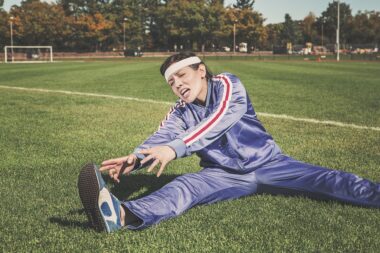
Dynamic stretching is an essential component of an effective workout focused on the hamstrings and quadriceps. Engaging in proper warm-up exercises prepares the muscles in the legs for rigorous movements. Dynamic stretches target the entire lower body, enhancing flexibility, range of motion, and blood flow. Incorporate movements such as leg swings, walking lunges, or high knees into your warm-up routine. These dynamic stretches focus on gradually increasing muscle temperature, making the hamstrings and quadriceps more pliable. Before your workout, aim to perform at least 10-15 minutes of dynamic stretching. Paying attention to both muscle groups ensures adequate preparation before moving into intense bodyweight exercises. Furthermore, incorporating leg swings where you alternate swinging each leg forward and backward will activate the hip flexors as well. Adequate warm-up sessions can significantly reduce the risk of injuries during your workouts. Additionally, after your bodyweight exercises, consider incorporating static stretching to cool down and enhance muscle recovery. Various static stretches targeting both the hamstrings and quadriceps can foster improved flexibility and muscle relaxation post-exercise.
Incorporating balance training can significantly enhance hamstring and quadriceps strength. Exercises like single-leg stands not only test your strength but also your stability and coordination. Perform this exercise by balancing on one leg and holding that position for a specified duration, focusing on your alignment and core engagement. Additionally, compound movements, such as squats and lunges, help engage both muscle groups effectively. Aim for high repetitions combined with slow control to maximize muscle engagement. A balanced workout can integrate different planes of movement. Example exercises can be lateral lunges, which focus on both strength and agility. Depending on your fitness level, start with three sets of repeated movements, ensuring you focus on form rather than speed. Including transitions between exercises can also keep your heart rate elevated while strengthening your hamstrings and quadriceps. Integrating these variations into your routine can make for a progressive and engaging workout. Challenge your stability further by incorporating balance boards or stability balls during bodyweight exercises, which demand even more from your hamstrings and quadriceps.
Recovery and Injury Prevention
To maintain robust hamstring and quadriceps strength, focusing on recovery and injury prevention is vital. Allowing your muscles recovery time can enhance your performance. Integrate a systematic recovery schedule combined with adequate hydration and nutrition. Consuming protein-rich foods post-workout can aid muscle repair, ensuring that both the hamstrings and quadriceps thrive. Incorporating foam rolling into your recovery routine targets muscle tightness and promotes better mobility. Target the hamstrings with focused foam rolling, relieving knots and increasing blood flow. Additionally, consider gentle yoga sessions aimed at stretching and restoring flexibility after intensive workouts, emphasizing hamstring and quadriceps stretches. This practice can enhance overall recovery while minimizing muscle soreness. Recognizing overuse injuries is crucial; symptoms may include tightness, stiffness, or localized pain. Adjust your workout intensity and take rest days when necessary to prevent injuries. If pain persists, consulting with a fitness professional or physiotherapist may be advisable. Early intervention can guide you back on the right path with tailored advice to address specific weaknesses or imbalances.
Implementing a comprehensive assessment of your hamstring and quadriceps strength is fundamental for optimal progress. Tracking performance can help identify muscle imbalances and assist in tailoring workouts. Keeping a workout log for exercises targeting these muscle groups enables you to monitor progress, adjusting as necessary based on strength gains. This method ensures you maintain balance while addressing critical areas needing improvement. Additionally, consider implementing fitness tests such as the vertical jump or sprinting drills that challenge both the hamstrings and quadriceps. These tests can offer insights into performance levels and highlight weaknesses that need attention. Obtaining feedback from a fitness professional can be invaluable in fine-tuning your assessments and routine. Continuous learning will support your workout effectiveness, keeping you engaged in your journey to build strength. Collaborating with others striving for similar goals can also foster a motivating training atmosphere, encouraging you to push through limits. Ultimately, keeping a dynamic and adaptable approach to training will be critical in achieving robust hamstring and quadriceps strength through bodyweight exercises.
Conclusion: Building Stronger Legs
In conclusion, balancing hamstring and quadriceps strength through bodyweight exercises is essential for overall lower body performance. Integrating diverse exercises, dynamic stretching, recovery strategies, and regular assessments contributes to achieving maximum strength. Consistency and progressive overload remain key elements in creating an effective workout design. Furthermore, addressing weaknesses and monitoring your progress through logs and assessments will ensure optimal development. Each workout serves not just for strength but also enhances your stability and coordination. As you advance, take time to appreciate your growth, celebrating improvements in both strength and flexibility. Stay flexible in your approach, continually exploring different variations to keep your routine engaging and effective. Set clear goals that challenge you while remaining achievable, and adapt as necessary based on progress. Remember, each training session brings you closer to your overall fitness aspirations. Finally, ensure your workouts are balanced, incorporate essential recovery, and listen to your body to prevent injuries. Achieving a harmonious balance between the hamstrings and quadriceps will contribute to better athletic performance and overall well-being.
Incorporating balance training can significantly enhance hamstring and quadriceps strength. Exercises like single-leg stands not only test your strength but also your stability and coordination. Perform this exercise by balancing on one leg and holding that position for a specified duration, focusing on your alignment and core engagement. Additionally, compound movements, such as squats and lunges, help engage both muscle groups effectively. Aim for high repetitions combined with slow control to maximize muscle engagement. A balanced workout can integrate different planes of movement. Example exercises can be lateral lunges, which focus on both strength and agility. Depending on your fitness level, start with three sets of repeated movements, ensuring you focus on form rather than speed. Including transitions between exercises can also keep your heart rate elevated while strengthening your hamstrings and quadriceps. Integrating these variations into your routine can make for a progressive and engaging workout. Challenge your stability further by incorporating balance boards or stability balls during bodyweight exercises, which demand even more from your hamstrings and quadriceps.