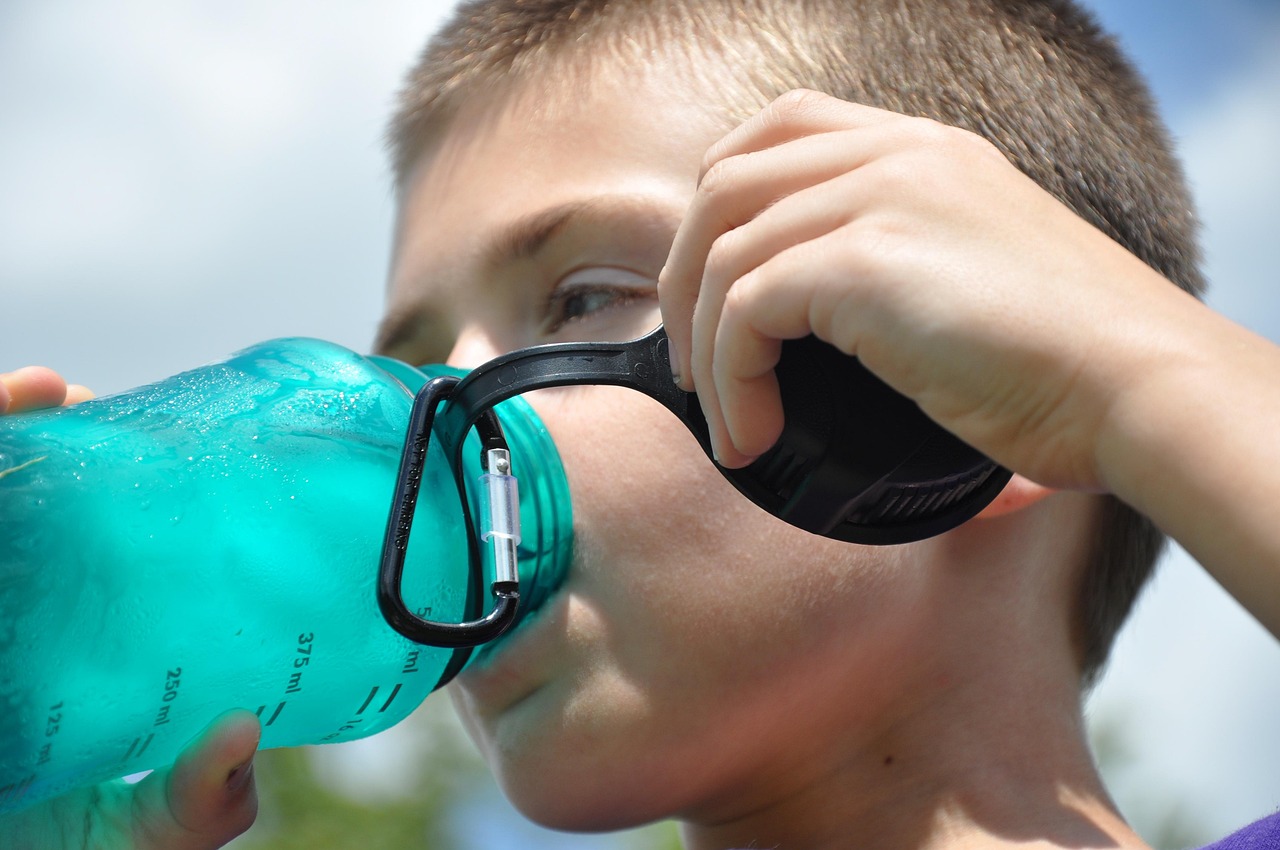

Fats and Hydration: What Athletes Need to Know
Fats are an essential macronutrient that play a crucial role in athletic performance and overall health. Athletes often overlook fats in their diets, primarily focusing on carbohydrates and proteins. However, fats are a vital source of energy, providing the necessary fuel for endurance training and high-intensity workouts. Including healthy fats, like those found in avocados, nuts, seeds, and olive oil, can aid in sustained energy levels during long events. Importantly, fats contribute to the absorption of fat-soluble vitamins, such as A, D, E, and K, necessary for immune function and bone health. Moreover, they are integral in hormone production, which regulates many physiological processes critical for athletes. Athletes should focus on balancing their fat intake, aiming to include monounsaturated and polyunsaturated fats while minimizing saturated and trans fats. In the next paragraphs, we will delve deeper into the relationship between fats and hydration, illustrating the impact on athletic performance.
The Importance of Hydration
Proper hydration is critical for athletes to maintain optimal performance. Water makes up a large percentage of the body and is essential for various bodily functions, including temperature regulation and nutrient transport. Athletes lose significant fluids through sweat, especially during rigorous training or competition. This fluid loss can lead to dehydration, which negatively impacts performance, endurance, and recovery. Dehydration can cause symptoms such as fatigue, decreased concentration, and muscle cramps. Therefore, replenishing fluids before, during, and after exercise is vital. Electrolytes, including sodium, potassium, and magnesium, lost through sweat can be replaced through drinks and foods. Fats can also indirectly influence hydration; for instance, source fats can help maintain cell membrane integrity, which is essential for optimal hydration at the cellular level. Thus, a well-rounded diet consisting of healthy fats, in combination with proper hydration strategies, can enhance an athlete’s performance significantly.
Sources of Healthy Fats
When incorporating fats into an athlete’s nutrition plan, it’s essential to choose the right sources. Healthy fats come primarily from plant-based sources and fatty fish. Some excellent examples include avocados, nuts, seeds, and fatty fish like salmon and mackerel. These foods contain omega-3 fatty acids that are beneficial for heart health and reducing inflammation. Including a variety of these sources in daily meals can contribute to a balanced diet. For instance, athletes may add flaxseeds or walnuts to smoothies, utilize olive oil in dressings, or consume a variety of nuts as snacks. Additionally, olive oil is renowned for its health benefits and can be a fantastic option for cooking or drizzling over vegetables. However, athletes should be wary of excessive fat intake, which might lead to unwanted weight gain. Balancing fat intake with other macronutrients is crucial for optimal performance. By selecting high-quality fat sources, athletes can support their energy needs and overall health effectively.
The Role of Fats in Hydration
Fats play a crucial role in maintaining hydration in the body. While they are not a direct source of hydration like water, they help optimize the absorption and distribution of fluids within the cells. Essential fatty acids, particularly omega-3 and omega-6, contribute to the fluidity of cell membranes, ensuring proper nutrient delivery and hydration. Furthermore, fats are fundamental in developing hormones and compounds that respond to dehydration, such as adrenaline and antidiuretic hormones, which regulate fluid balance. Athletes, therefore, need to include adequate amounts of healthy fats in their meals to maintain proper hydration levels. During long training sessions or competitions, consuming energy-dense meals containing fats can sustain energy levels while supporting hydration strategies. For example, nut butter on whole-grain toast or avocado on a sandwich can provide both energy and contribute indirectly to hydration needs. Balancing fluid intake with adequate healthy fats improves overall performance and keeps energy levels stable.
Another aspect to consider is the timing of fat intake around training and events. Consuming significant amounts of fats right before a workout may cause gastrointestinal discomfort for some athletes. As a general guideline, fatty meals should be consumed well before the activity – ideally several hours prior to allow for digestion. Post-exercise, fats should be integrated into meals to promote recovery and replenish energy stores effectively. For instance, a meal consisting of quinoa, grilled chicken, and a drizzle of olive oil will provide both essential amino acids for muscle repair and healthy fats for overall recovery. Therefore, timing fat consumption strategically around workouts can further support athletes’ hydration and energy needs. Consequently, athletes should monitor their personal tolerance to fats and navigate their dietary plans accordingly. By fine-tuning fat intake and hydration strategies, athletes can enhance their performance while ensuring their bodies have the necessary resources for recovery.
Balancing Fats and Carbs
A key to maximizing athletic performance lies in balancing macronutrients, including fats and carbohydrates. Carbs are the primary energy source for athletes, especially during high-intensity activities. However, while carbs are vital, fats must not be neglected in training diets. It’s critical for athletes to understand that a well-balanced meal contains appropriate proportions of carbohydrates, proteins, and healthy fats. For example, a meal that combines whole grains, lean proteins, and a source of healthy fats allows for optimal energy release and sustained stamina. Athletes should aim for a 20-30% caloric intake from fats while adjusting carbs according to their training intensity. Personalizing macronutrient ratios can benefit performance based on individual energy demands and bodily responses. Additionally, slowly integrating healthy fats during training can help athletes assess how well their bodies react to fat-based fuel. Accumulating knowledge about personal macro preferences pays dividends for an athlete. Thus, adopting a balanced approach to nutrition is key to not only hydration but for optimal performance and recovery.
Conclusions on Fats and Athletic Performance
In conclusion, fats are undoubtedly an essential nutrient for athletes seeking optimal performance and hydration. By providing a sustained energy source, supporting hormone production, and promoting cell integrity, fats play various roles that contribute to overall athletic success. Proper hydration combined with a balanced nutritional approach can significantly enhance performance and recovery. Athletes should focus on including high-quality sources of healthy fats while carefully balancing their intake with carbohydrates and proteins. Additionally, fats need to be scheduled appropriately around training sessions to maximize energy while minimizing potential discomfort. Understanding the significance of these nutrients is crucial for athletes, helping to create comprehensive dietary plans that promote endurance and health. Nutritional planning should cater to individual needs, goals, and preferences and should always evolve as training progresses. Ultimately, fats are not just an afterthought but a vital part of an athlete’s toolbox toward performance excellence. By emphasizing the importance of fats and hydration together, athletes can enhance their training regimens and achieve their athletic aspirations.