
Incorporating Flexibility Exercises for Safer Precision Jumps
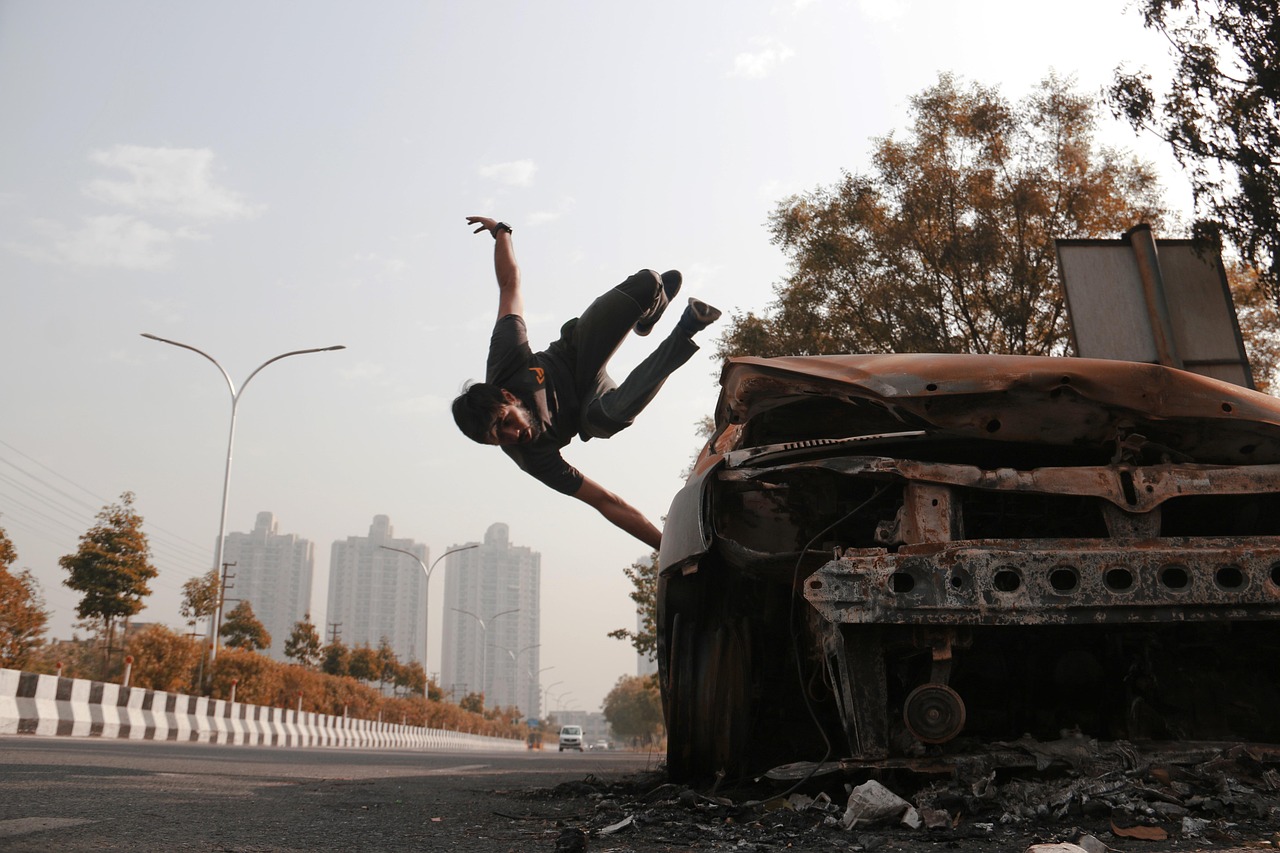
Precision jumps in parkour and freerunning require not only strength and speed but also flexibility to execute landings effectively. This makes flexibility exercises essential for practitioners looking to improve their skills. Incorporating a regular flexibility routine can enhance your overall performance and reduce the risk of injuries. Focus on dynamic stretches before your sessions and static stretches afterward to maximize your range of motion. In addition to improving your ability to jump and land safely, enhanced flexibility contributes to better body control and greater body awareness, vital for executing complex maneuvers. Additionally, a well-structured flexibility program can target specific muscle groups that need to adapt for precision jumps, reinforcing the essential muscles involved in landing. Pay special attention to the hamstrings, hip flexors, and calves, as these areas play a crucial role in the success of your jumps. Always remember to listen to your body; overstretching can lead to strains. Gradual progression in your flexibility training will yield the best results. Aim for consistency, making it a part of your routine to see improvements over time.
Types of Flexibility Exercises
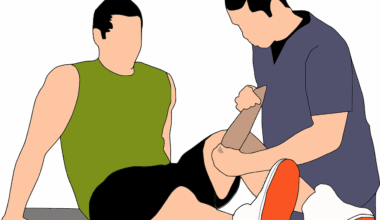
When focusing on flexibility exercises, consider incorporating various types that will aid your precision jumps. Static stretching involves holding a position for a set duration and improves overall flexibility and muscle relaxation. Furthermore, incorporating dynamic stretches prepares your body before performing jumps. These stretches mimic the movements you’ll perform in parkour, facilitating better warm-ups. Another useful type is PNF (Proprioceptive Neuromuscular Facilitation) stretching, which includes techniques for gaining flexibility through the contraction and relaxation of muscles. Specifically, emphasizing your hip flexors, quadriceps, and hamstrings helps reduce injury risk while enhancing jump success. To enhance your routine, incorporate some yoga or Pilates sessions, which help improve flexibility and core strength simultaneously. Additionally, ensure to integrate exercises that focus on ankle and foot mobility; they significantly impact stability during landings. Sample flexibility exercises include lunges, toe touches, and hip circles, which target key muscle groups. Performing these exercises regularly will improve your overall range of motion, making precision jumps safer and more effective.
Nobody can fully ignore the importance of a proper warm-up before engaging in any physical activity, especially high-impact sports like parkour. Your muscles require specific preparation to perform at their best. A comprehensive warm-up should include light cardiovascular exercise, followed by dynamic stretching focused on major muscle groups. This process increases blood flow to the muscles, enhances flexibility, and ultimately leads to better performance. Also, pay attention to your joints; a well-warmed set of joints can handle the stresses more adequately. Similarly, consider using foam rolling as a part of your routine to melt away muscle knots and promote relaxation before your session. Adequate warm-ups not only prepare the muscles but also mentally prepare you for the challenges ahead, enabling you to focus on technique. Discover your best warm-up routine through experimentation, finding what suits your body type and skill level. Balance your strength and flexibility training to achieve a well-rounded ability necessary for executing precision jumps with confidence. Make warm up a mandatory part of your practice to ensure every session starts safely.
Importance of Cool Down
After intense training—such as practicing precision jumps—it’s vital to implement a proper cool-down routine. Just as warming up prepares your body for exercise, cooling down helps bring your heart rate back to normal and minimizes muscle soreness afterward. Static stretching during the cool-down phase allows the muscles to relax and lengthen after an intense session, effectively aiding recovery. Target the same muscle groups you worked on during your session, focusing on hamstrings, calves, and quads. This practice promotes flexibility gain, which will benefit your upcoming training. Additionally, integrating deep breathing exercises can further enhance relaxation post-training, calming the nervous system. Emphasize patience during your cool-down; don’t rush the process, allowing each stretch to be held for an appropriate duration. Allowing your body time to adjust after the high-impact motions stabilizes blood circulation and helps prevent injuries. Implementing a regular cool-down routine can vastly enhance your training effectiveness and facilitate continuous growth. Always listen to what your body is telling you, adjusting your routine to suit your unique needs.
Remember, consistency is the key to achieving greater flexibility and safer landings in parkour and freerunning. By developing a routine that prioritizes flexibility training, you are investing in not only your performance but also your safety. Sticking to your routine requires discipline and dedication, but with time, you will start noticing significant changes. Taking progress indicators in the form of improved jump execution and reduced soreness after training can motivate you to keep pushing forward. Gradually, you will be able to increase your range of motion, which will allow you to land more precisely and efficiently. It’s vital to recognize that flexibility is a journey, not a destination; each person’s body is different, and improvements will vary. Hence, cultivating a positive relationship with your body during this process fosters a conducive learning environment. By embracing flexibility exercises, you become part of a broader community committed to safety in urban sports. Coupling these practices with patience creates a much more enjoyable training experience in parkour. Once you accept this journey, you will find yourself growing both physically and mentally as a practitioner.
Final Thoughts
Incorporating flexibility exercises into your training regime is not just about executing better precision jumps; it encompasses the overall quality of your parkour practice. As you work on your flexibility, you will also focus on body awareness and control, both critical for successful movements. A well-rounded approach includes strength training, endurance exercises, agility drills, and, undoubtedly, flexibility work to reach your optimal performance level. Always prioritize safety and smart training strategies to keep your body in top condition. Consider tracking your routine, ensuring you incorporate a variety of flexibility exercises weekly. This includes some time spent on mobility drills that enhance joint function. Consistency coupled with the right techniques leads to lasting results. Search for resources or local classes that specialize in parkour and flexibility to gain insights from others’ experiences. Share your journey with peers; collaborative practice can foster motivation and fuel personal growth. Embrace the learning aspect of the sport, and soon you’ll find that not only does your skill level rise, but so also does your enjoyment and appreciation for parkour.
Though fluctuations in performance may occur, maintaining a conducive environment emphasizes the element of progression in your skill development. Building strength and flexibility through targeted exercises ensures that you gradually develop the capabilities vital for executing precision jumps securely. This approach can lead to enjoying parkour without the shadow of frequent injuries. Remember, safety in this high-impact sport comes first; aside from flexibility, having adequate strength and endurance should not be overlooked. Prioritize staying hydrated and maintaining proper nutrition to support your training efforts. Engaging in practices such as mindful movement enhances focus and contributes to safer landing executions as well. Embracing a comprehensive understanding of your body and its limits will empower you to overcome challenges encountered during training. Adapting your flexibility routine as you progress is crucial, as growth requires evolution in your personal regime. Introduce new exercises or variations to keep your routine from becoming stale. Protect your passion for parkour by ensuring that flexibility exercises remain an integral part of your practice, paving the way to a safer, more evolved approach in pursuing your jumping endeavors.
Summary of Key Points
Prioritize flexibility exercises for safer precision jumps in parkour and freerunning. Incorporate dynamic and static stretching into your warm-up and cool-down routines, along with PNF stretching for enhanced results. Consistent practice, combined with mindful engagement during exercises, fosters improvement. Maintain a focus on core strength and endurance as additional support in skill development. Explore yoga and Pilates to improve flexibility while enhancing body control and strength. Ensure you warm up properly before sessions and cool down afterwards to facilitate recovery. Design a routine that feels right for you; listen to your body and adjust as necessary. Track your progress to visualize growth and remain motivated in your training. Share knowledge with friends or peers in your community, further enriching the learning experience. By cultivating a mindset of safety and consistency, the path to mastering precision jumps becomes enjoyable and rewarding. Keeping flexibility exercises at the forefront of your regimen will lead to safer performative outcomes. Finally, elevate not just your jumping skills but your overall experience as you embrace the dynamic world of parkour.