
Jump Rope and Balance Training for Boxers
Jump rope exercises are a staple in boxing fitness routines. They enhance cardiovascular fitness and help develop agility and coordination. Boxers benefit from jump rope workouts due to their ability to improve footwork, which is crucial for executing movements in a boxing match. Performing jump rope routines regularly allows boxers to increase their stamina, enabling them to stay vigorous during longer rounds. Furthermore, jump rope exercises can help boxers maintain a healthier weight, contributing to better performance in the ring. It not only functions as a warm-up but also enhances core stability. In addition to improving fitness levels, jump rope workouts can be modified for different fitness levels. Newcomers can start slow, gradually increasing their speed and the duration of their workouts. As they progress, advanced techniques, such as double-unders and crisscross, can be added. Plus, these exercises can be performed anywhere, making them versatile. Incorporating a variety of jump rope patterns adds diversity to training, keeping workouts engaging and effective. For best results, boxers should aim to include jump rope exercises at least three times a week.
Balance training complements jump rope exercises effectively. A strong balance is vital for boxers, as it enables them to move fluidly while putting force behind their punches. To sharpen stability, boxers can engage in various drills that focus on equilibrium. In the ring, ensuring that weight is distributed evenly when throwing punches can elevate performance levels significantly. Exercises such as single-leg stands, stability ball workouts, and balance board activities can also increase core strength. This, in turn, supports better positioning during bouts. Boxers can enhance their balance by practicing footwork drills, including lateral movements and pivots, while executing jump rope exercises. This training helps to reinforce body control and spatial awareness. Additionally, working with a coach or trainer to assess balance skills can provide personalized feedback. Incorporating balance challenges into jump rope routines can be both productive and fun; imagine performing jump rope routines on one leg or while shifting weight dynamically! This can develop muscular endurance whilst honing reflexes. Successful boxers know the importance of continuous training to maintain and elevate their skills. Therefore, adding balance training is essential in preparing them for the rigors of competition.
Technique and Rhythm of Jump Rope
A crucial aspect of jump rope training is mastering technique and rhythm. For boxers, this means learning to keep a steady pace while maintaining proper form. When jumping rope, boxers should keep their elbows close to their body to avoid unnecessary movements that can disrupt rhythm. Utilizing wrists instead of arms to turn the rope allows for quicker rotations, enabling the boxer to pick up speed effectively. Achieving an appropriate jump height is vital; boxers should aim for low jumps, just high enough to clear the rope. The feet should remain close together for balance, allowing for better control of movements. Relying mostly on the balls of the feet can improve agility as well. Practicing rhythm is essential; boxers should try to synchronize their jumps with a consistent tempo. By finding a natural rhythm, they can enhance their endurance. Using a metronome or music can help to keep pace. Moreover, they should be attentive to their breathing. Consistent breathing patterns ensure that sufficient oxygen is supplied, especially during high-intensity workouts. Thus, understanding technique and rhythm will contribute to optimal performance in the ring.
Utilizing varied techniques in jump rope workouts can help boxers avoid plateaus while maximizing benefits. Once basic steps are mastered, integrating advanced techniques is vital. For instance, boxers can incorporate techniques such as high knees, side-to-side jumps, or backward jumps. Each variation challenges different muscle groups and can improve overall coordination. High knees, for example, increase heart rate while targeting the legs, bringing additional strength in the lower body. Side-to-side jumps engage lateral muscles, essential for agile movements in boxing. Backward jumps can train spatial awareness and enhance overall balance. Adding these different styles to a workout makes it effective while keeping it exciting. This prevents boredom and encourages consistent training. Creating a structured jump rope session can help when adding these drills; boxers can designate timed intervals for each variation. Lastly, encouraging two-person jump rope competitions can create a sense of camaraderie while providing healthy challenges for boxers. They can motivate each other to improve times or learn new techniques together. Overall, maintaining progress is key to growth in boxing fitness, leading to improved performance in the ring.
Safety and Progression Tips
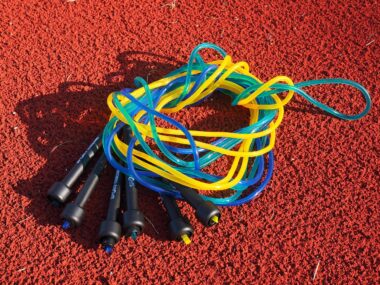
Safety during jump rope exercises is paramount, ensuring that boxers can perform without injury. One fundamental precaution is to choose the right equipment; having a properly sized jump rope is crucial. Boxers should adjust the rope length according to their height for minimal tripping hazards. Not only is the gear essential, but the training surface is equally important. An even surface helps prevent accidents and allows for effective landing on both feet. Ideally, boxers should practice on shock-absorbent flooring to reduce stress on joints, especially knees and ankles. The athlete’s attire also plays a role; wearing the correct footwear with proper cushioning can support movements efficiently. Additionally, boxers should listen to their bodies. Recognizing signs of fatigue or discomfort ensures optimal safety. Gradually increasing workout intensity is equally vital; they should never aim to do too much at once, as this can lead to burnout or injury. Finally, staying hydrated keeps fitness levels high. Keeping a water bottle nearby encourages regular breaks for hydration, which is crucial for overall performance. Following these safety tips will enable effective training in boxing fitness using jump rope exercises.
Nutrition is a critical component of a boxer’s training regimen, especially when engaging in high-intensity exercises like jump rope. A balanced diet fuels an athlete’s energy needs, enabling them to perform at their best. Consuming whole foods, including lean proteins, complex carbohydrates, healthy fats, and plenty of fruits and vegetables, enhances recovery and performance. Iron-rich foods such as spinach, beans, and lean meats contribute to maintaining energy levels, especially during intense workouts. Carbohydrates are essential as they provide the necessary energy to sustain prolonged jumping sessions. Boxers should prioritize sources such as quinoa, sweet potatoes, and whole grains. Hydration also plays a significant role; a consistent intake of fluids helps prevent fatigue and cramping. Moreover, incorporating recovery meals post-training can significantly boost performance. These meals should be rich in protein and carbohydrates to replenish energy stores effectively. Keeping a food journal can assist boxers in tracking their nutrient intake while aligning with performance goals. By honing in on nutritional aspects alongside jump rope exercises, boxers can truly optimize their fitness and achieve noteworthy gains while training.
Conclusion
In conclusion, jump rope exercises combined with balance training provide boxers with essential skills for effective performance in the ring. The benefits of improved endurance, coordination, and stability make jump rope a versatile tool that every boxer should incorporate into their training routine. As training progresses, integrating various techniques keeps both the mind and body engaged, preventing stagnation. Safety and nutritional considerations further enhance the training experience. Adopt proper techniques and gradually increase the intensity to ensure progressive development; this helps build lasting improvements in fitness levels. Listening to the body and practicing self-care ensures longevity in this demanding sport. Boxing is a challenge that requires physical and mental preparation; mastering foundational fitness components lays the groundwork for skilled performance. Those looking to elevate their boxing skills should embrace jump rope training as a key element. Equipped with these insights, boxers can approach their training holistically, reaping the rewards of improved agility and strength. With dedication, they will progressively achieve their performance goals and face challenges confidently.
. Everybody loves jumping rope and the excellent benefits it brings to the sport of boxing.