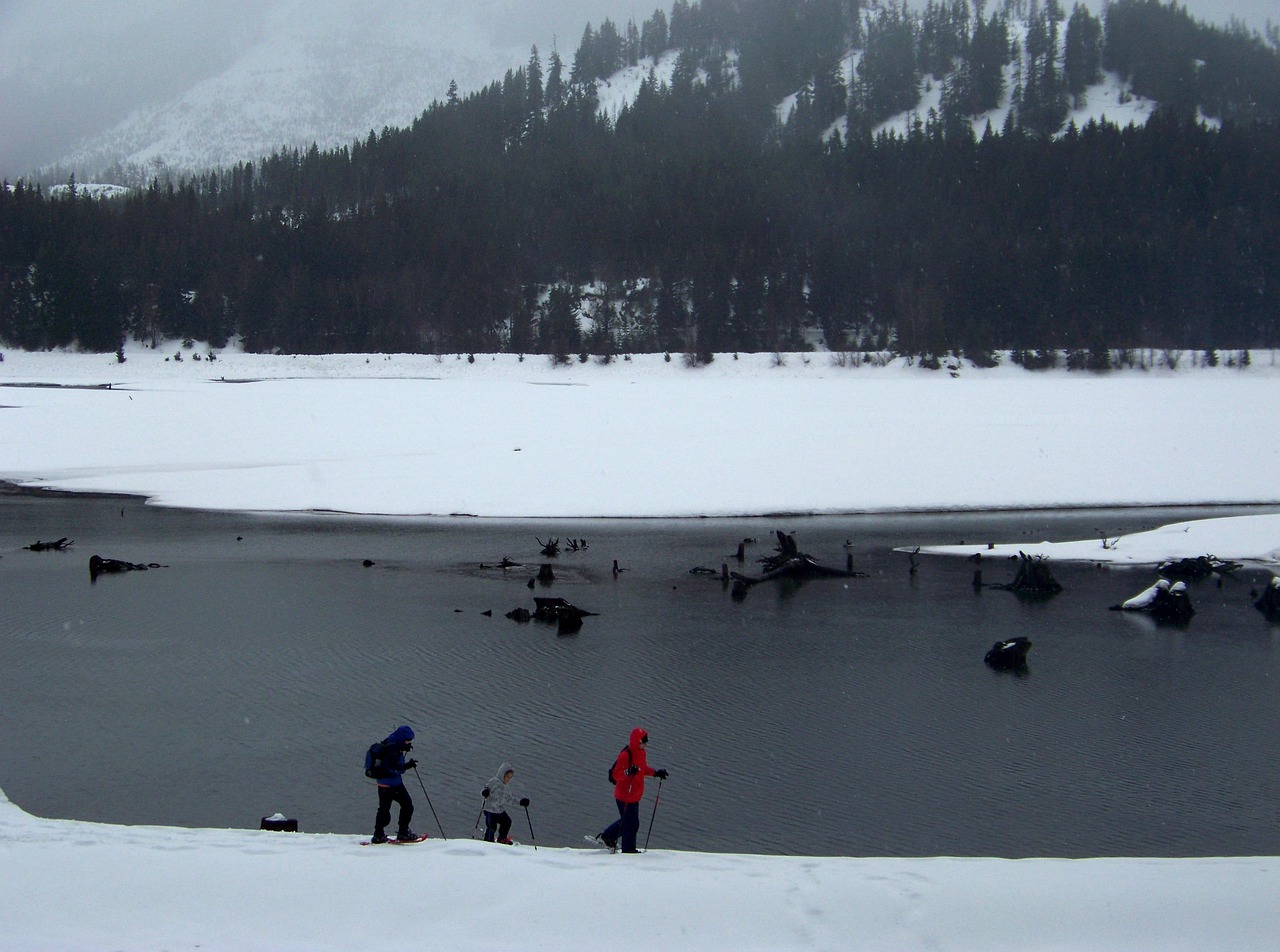

Nutrition Tips for Beginners on Snowshoe Hikes
Snowshoe hiking is a wonderful way to experience winter landscapes while providing a great workout for your body. It’s essential to focus on your nutrition to fuel your body adequately for both enjoyment and endurance during these hikes. Start by packing lightweight yet nutrient-dense snacks, which can include trail mix, energy bars, and dried fruits. These items offer a balance of carbohydrates, protein, and healthy fats, making them perfect for sustained energy. Stay hydrated by carrying enough water, and consider using insulated bottles to prevent freezing in cold temperatures. Additionally, using electrolyte tablets can help replenish essential minerals lost during exercise. It’s vital to plan your meals ahead of the hike if you anticipate a long duration. Bet on whole grains such as brown rice and quinoa, which promise energy throughout your adventure. Lastly, don’t forget about planned breaks! Stopping at intervals allows you to refuel effectively, maintaining your energy levels and ensuring you remain comfortable during your journey. Following these tips will enhance your snowshoeing experience, allowing you to enjoy the trails and nature to the fullest.
Pre-Hike Nutrition
Before you embark on your snowshoe hike, proper meal preparation is vital. Start your day with a nutritious breakfast to kick off your energy levels. A meal comprising oatmeal topped with nuts, seeds, and fruits can provide an excellent source of slow-releasing carbohydrates. Pair this with a protein source such as Greek yogurt or eggs to help maintain your muscle strength throughout the hike. Remember that healthy fats, like those found in avocados or nut butter, can also keep you satiated and give you additional energy. Iron-rich foods, like leafy greens, assist in promoting oxygen flow to your muscles, enhancing performance. On the other hand, avoid heavy and greasy foods that can lead to sluggishness. If you have a long hike planned, consider a larger breakfast or a significant meal two to three hours in advance. This timing allows for digestion, ensuring optimal energy availability. Also, include hydration in your pre-hike routine by drinking adequate water or an electrolyte beverage to prepare you for the exertion ahead. Ensure your body is prepped and ready for your outdoor adventure.
Snacking on the Trail
When it comes to snowshoe hiking, snacks are your best friend. Choosing the right snacks during your trek can keep your spirits high and energy consistent. As you hike, carry a variety of snacks to prevent boredom and to provide a mix of nutrition. Dried fruit offers natural sugars while delivering fiber, making it a popular choice among hikers. Energy bars are convenient but read labels to select those low in processed ingredients. Jerky can be a great source of protein to keep your hunger at bay. Try nuts, seeds, and nut butter packets for healthy fats and protein that provide long-lasting energy. You can also consider packing low-sugar protein shakes for variety. Ensure that whatever snacks you choose are lightweight and easy to pack. Frequent snacking helps stabilize your blood sugar levels, preventing crashes that can dampen your experience. Take breaks to refuel every 30 to 60 minutes during your trek in the snow. Always remember that a well-nourished body is happier and has more fun exploring those snowy trails.
Besides your snacks, hydration will play a significant role in maintaining your energy and vitality while snowshoe hiking. Cold weather can mask feelings of thirst, leading to dehydration if you’re not attentive. Drink water regularly, even if you don’t specifically feel thirsty. Aim to have at least a half-liter of water per hour of moderate activity. For added benefits, consider mixing in electrolyte solutions to replace lost minerals as you sweat. Insulated water bottles or hydration packs can help keep your liquids from freezing during the hike. Remember that hot beverages like herbal tea or warm broth can also be comforting and hydrating in cold conditions. Monitoring your pee color is an excellent indicator of hydration; clear to light yellow is ideal. If you see dark yellow or amber, drink more fluids. Always pack additional water in case of emergencies or unexpected delays. Staying well-hydrated not only helps with endurance but also aids in focus, balance, and overall performance while navigating snowy trails.
Post-Hike Recovery
Once you’ve completed your snowshoe hike, it’s critical to recover properly to replenish your energy stores. Consuming a post-hike meal rich in carbohydrates and protein within 30 minutes of finishing your trek is ideal. This combination helps kickstart your muscle recovery and replenishes glycogen stores depleted during your hike. A smoothie with protein powder, fruits, and a handful of greens can be both refreshing and restorative. You can also choose a sandwich with lean meat, whole-grain bread, and plenty of vegetables for a wholesome yet satisfying meal. Don’t forget to hydrate again, ensuring you replace all fluids lost during your hike. Drinking water or an electrolyte beverage is often the best choice. Consider consuming a joint support supplement to aid in recovery by helping combat inflammation. Gentle stretching post-hike can enhance blood circulation and ease muscle soreness. Incorporating relaxation techniques can also facilitate your recovery. Remember that giving your body time to rest is essential after exertion, ensuring you’re ready for your next snowy adventure!
Every beginner on a snowshoe hike should be aware of food allergies or intolerances that may affect your nutrition choices. It is wise to plan meals and snacks that consider personal dietary restrictions, allowing for a healthy and safe experience outdoors. Always read labels or opt for whole foods to ensure your choices are suitable for your needs. Additionally, if you are hiking with others, consider any shared meals in advance to accommodate everyone’s preferences and allergies. Meal-sharing is effective when camped or on longer trek days. Learning to make simple, lightweight meals is beneficial too. Freeze-dried meal packs can offer quick preparation options without compromising nutritional value. Bringing additional items, such as wraps or pita bread, will also allow various fillings and toppings, making meals versatile. Furthermore, using food storage techniques like vacuum sealing can enhance the longevity of your supplies. Always plan for unexpected weather changes or delays that might necessitate extra food. A well-thought-out approach will lead to a more enjoyable, stress-free experience in the beautiful winter wilderness.
Final Tips for Snowshoe Hiking Nutrition
In conclusion, ensuring you have the right nutrition before, during, and after snowshoe hikes is paramount for enjoyment. Preparing and planning meals allows you to experience the joy of winter sports completely. Always prioritize lightweight, nutrient-dense food choices, and maintain hydration for optimal performance. Pay attention to your body’s hunger and thirst signals throughout your journey. Keeping nutrition simple and enjoyable will not only enhance your trip but also build habits you can rely upon for future adventures. Always aim to connect with nature, and choose snacks that get you excited rather than feeling like tasteless fuel. Share your experiences with fellow hikers to learn diverse tips and meal options. Staying mindful of your nutrition adds to the overall experience while snowshoeing through winter wonderlands. Embrace the wilderness, explore safely, and make memories that last while caring for your body with thoughtful nutrition. Happy snowshoeing, and may the trails always be welcoming and full of adventure!
Taking your first snowshoe hiking trip can be an exhilarating experience that combines adventure with the beauty of nature. However, as a beginner, it’s important to be thoroughly prepared, especially when it comes to nutrition. This means understanding how to nourish your body effectively before, during, and after your hike. You want your food choices to not only sustain your energy levels but also support your overall performance and safety while trekking through snowy trails. In this article, we will explore essential nutrition tips specifically tailored for beginners venturing into the world of snowshoe hiking. By focusing on strategic meal planning, understanding the significance of hydration, and knowing what to eat before and after your hike, you will be better equipped to enjoy your outdoor adventure fully. These guidelines will support your body’s needs and help you appreciate the beauty and challenge of the trails ahead. So, whether you’re heading out for a short hike or a day-long adventure, having a solid nutrition plan can make a significant difference in your experience. Let’s get started!