
Swimming Frequency and Duration for Arthritis Patients
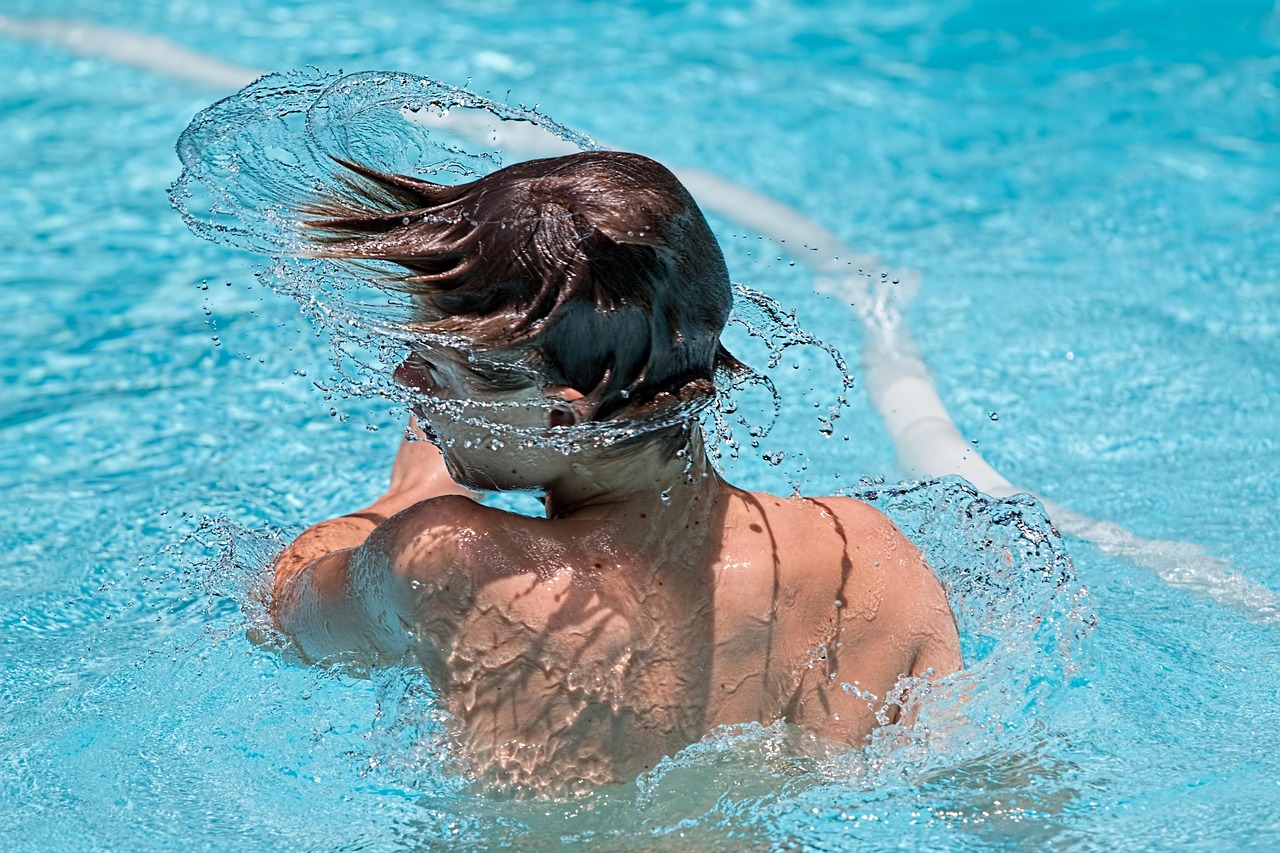
Swimming serves as an excellent form of exercise for arthritis patients, promoting gentle movement without putting excessive stress on the joints. Incorporating swimming into a regular routine can help to alleviate pain while enhancing flexibility and strength. To maximize its benefits, arthritis patients must determine an appropriate swimming frequency that suits their individual needs. Generally, engaging in swimming sessions 2 to 3 times a week is recommended to maintain mobility and ensure consistent muscle engagement. On days designated for swimming, patients should focus on a blend of different strokes and techniques which can keep the routine enjoyable and beneficial. By discussing their swimming schedule with a physician or physical therapist, patients can tailor a plan that accommodates their physical condition and pain levels. The water provides buoyancy, reducing the weight on the joints, which in return lowers the risk of injury. Additionally, incorporating a half-hour to one hour of swimming per session will enable patients to enjoy the advantages of cardiovascular exercise while minimizing discomfort. Over time, with consistent practice, patients are likely to experience significant improvements in joint function and overall health.
Benefits of Swimming for Arthritis
The aquatic environment presents numerous positive effects for arthritis patients, making swimming an effective exercise choice. Firstly, the water’s buoyancy supports the body, which reduces joint stress during workouts. This supportive aspect is particularly beneficial for those experiencing pain and stiffness, as it allows for greater movement without significant discomfort. Additionally, swimming can improve cardiovascular health, which is crucial for overall wellness. Enhanced circulation can lead to reduced inflammation and improved joint function. Swimming also promotes muscle strength and joint flexibility, enables arthritis patients to strengthen supporting muscles around affected joints, and contributes to pain management. Furthermore, patients can experience better mental health through the release of endorphins from physical activity. These mood-boosting chemicals can ease feelings of anxiety and depression often linked to chronic pain. The social aspect of swimming, especially in a group or class setting, can provide valuable emotional support. Patients should not overlook the potential for improved social interactions, as engaging in physical activity alongside others contributes positively to their quality of life. Overall, swimming has multiple benefits that reach both physical and emotional wellbeing for arthritis patients.
When embarking on a swimming regimen, arthritis patients may want to explore various swim strokes to determine what feels comfortable and effective. Popular strokes include freestyle, breaststroke, and backstroke. Each stroke has unique benefits, allowing patients to tailor their sessions based on individual comfort levels and fitness goals. For instance, the freestyle stroke is often deemed the most efficient and can help build endurance and strength. On the other hand, the breaststroke provides a more gentle approach and can assist with overall joint flexibility. The backstroke allows patients to maintain a relaxed position while developing upper body strength, which is valuable for offsetting any muscle imbalances caused by arthritis. Patients should also consider incorporating a mix of lighter activities such as floating or water aerobics into their swimming routines. These alternatives offer similar benefits while further minimizing the chances of overexertion or strain. Importantly, patients need to listen to their bodies and adjust the type and intensity of strokes they utilize based on their current physical condition. Regular self-assessment will not only aid in pain management but will also ensure long-term success in their swimming journey.
Monitoring Duration and Intensity
Monitoring swimming duration and intensity is essential for arthritis patients to ensure safe and effective workouts. The recommended duration for each session typically spans from 30 minutes to an hour, depending on individual stamina levels and pain thresholds. Starting with shorter sessions may be beneficial, gradually increasing the duration as endurance builds. Patients should keep track of how they feel during and after swimming sessions, allowing them to determine when to extend these durations. Additionally, patients must be aware of swimming intensity to avoid unnecessary strain. Maintaining a moderate pace, characterized by conversation-friendly movements, can optimize the workout without exacerbating joint pain. If discomfort arises, it may be necessary to adjust the swim speed or switch to gentler strokes. Utilizing tools like waterproof watches or fitness trackers can help patients monitor their progress over time. Tracking frequency, duration, and intensity enables them to assess improvements and adapt their approach, promoting accountability and motivation. Prioritizing gradual increases in swimming intensity ensures that exercise remains enjoyable and achievable while continuously fostering advancements toward improved health and well-being.
One often-overlooked aspect of swimming for arthritis patients is the importance of a proper warm-up and cool-down routine. Engaging in gentle stretches before entering the water prepares the body for exercise and may prevent injury. Focused stretches targeting major joints, such as those in the shoulders, knees, and hips can effectively enhance flexibility and mobility. Once in the water, beginning with a slow-paced swim helps to ease the body into the workout. Similarly, a cool-down period after swimming, which includes lighter strokes or relaxed movements, assists in transitioning the body back to a resting state. This cool-down phase can also help to prevent stiffness that may occur later on after physical activity. Overall, incorporating these important steps into a swimming regimen promotes safety and effectiveness for arthritis patients. Ensuring these routines become habitual allows improvements in joint function while reducing pain. Patients should consistently reflect on the advantages of warm-ups and cool-downs and adapt them according to their needs. Through dedication to establishing a comprehensive routine, arthritis patients can maximize their swimming experience and enhance overall wellbeing effectively.
Staying Motivated Through Challenges
Staying motivated in the face of challenges is crucial for arthritis patients aiming to incorporate swimming into their fitness routines. While it’s common to encounter obstacles such as fluctuating energy levels or emotional hurdles, finding ways to overcome these difficulties can lead to lasting lifestyle changes. One effective method to maintain motivation is establishing achievable goals, be they short-term or long-term. Setting milestones creates a sense of accomplishment and can inspire patients to persevere despite setbacks. Additionally, pairing up with a swimming buddy or joining a local swimming group can foster both motivation and accountability. Sharing experiences, challenges, and successes with others can create a supportive environment that encourages continued participation. Embracing variety in swimming routines can also combat feelings of monotony and frustration. Exploring different classes or aquatic exercises keeps the workouts fresh and exciting. Lastly, practicing self-compassion is essential for mental wellbeing. Recognizing that progress may not always be linear lets patients focus on their journey instead of solely on results. By cultivating a positive mindset and embracing community support, arthritis patients can foster long-term motivation in their swimming practice.
In conclusion, swimming offers numerous benefits for arthritis patients and can significantly improve quality of life. By focusing on optimal frequency, duration, and intensity of workouts, individuals will create a customized swimming regimen that best suits their physical abilities. Enhancing strength, flexibility, and cardiovascular fitness becomes effortlessly achievable in warm, supportive water. Alongside monitored routines, prioritizing warm-ups and cool-downs promotes a safer swimming journey. Setting achievable goals and building a sense of community through supportive relationships encourages sustained motivation for participants. Embracing variety within swimming routines can invigorate the experience while keeping it enjoyable. Ultimately, patients who remain dedicated to their swimming practice are more likely to experience substantial improvements in pain management, joint function, and overall health. This lasting commitment to swimming not only benefits the body but also nurtures the mind, contributing positively to emotional wellbeing. With regular participation in water-based exercise, arthritis patients can lead more balanced lives, embracing movement and vitality amid their condition. Monitoring progress continually is key, as all adaptations to routines should foster achieving personal milestones. Through unwavering dedication, swimming can empower arthritis patients in ways they may have once thought impossible.