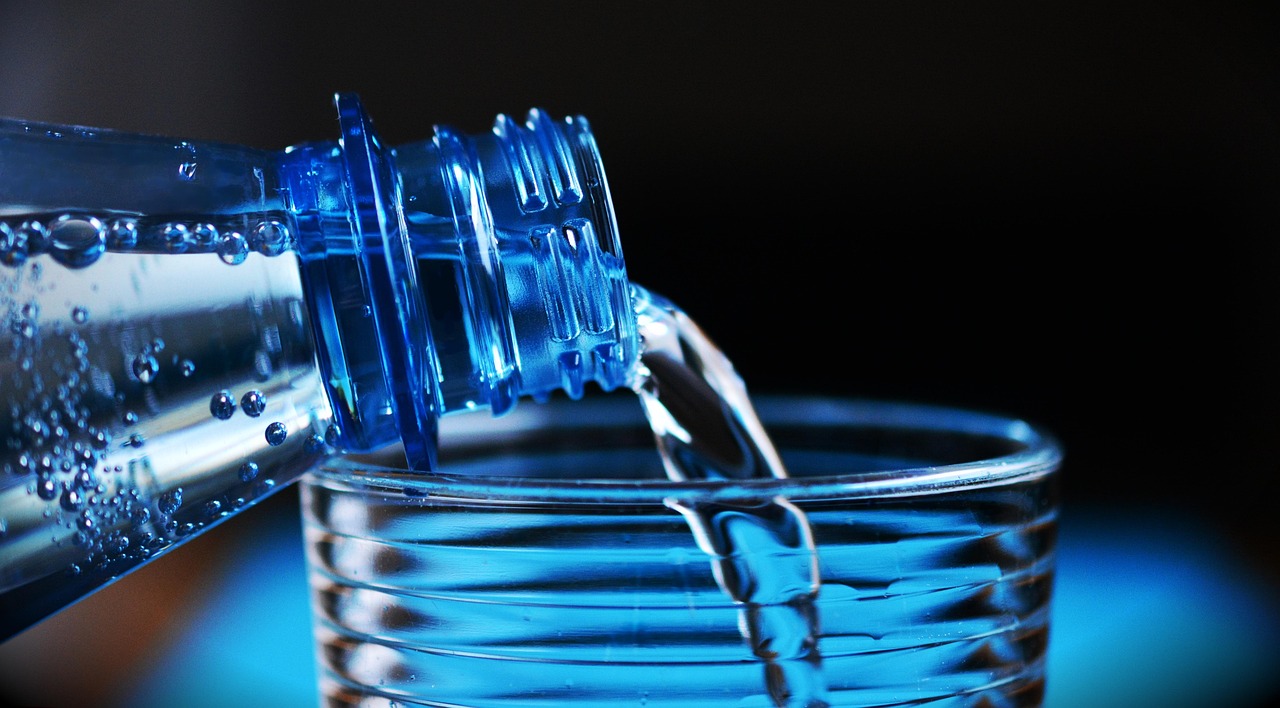

The Impact of Hydration on HIIT Challenge Results
Hydration plays a crucial role in the effectiveness of High-Intensity Interval Training (HIIT) challenges. During these intense workouts, your body loses water through sweat, leading to potential dehydration. When dehydrated, your body may experience decreased stamina, increased fatigue, and reduced strength. This can significantly affect the outcomes of your workout sessions. Proper hydration before, during, and after workouts ensures that your muscles function optimally, thus helping you achieve your fitness goals. Consuming adequate fluids is vital for maintaining fluid balance and electrolyte levels, which aid in recovery and performance. It’s essential not to wait until you’re thirsty to drink, as thirst can be a sign that you are already dehydrated. Also, keep in mind that some athletes require more fluids than others due to body size, workout intensity, and climate conditions. Therefore, understanding your personal hydration needs is essential for maximizing your HIIT challenge performance. In essence, optimal hydration supports your body’s energy levels and overall athletic performance, leading to better results in HIIT challenges and fitness journeys.
Research indicates that water consumption before a HIIT session can improve cardiovascular performance and help sustain energy levels during intense intervals. Additionally, when you’re well-hydrated, your body can maintain a higher level of physical exertion, allowing for more vigorous and productive workouts. Consistently hydrating during your HIIT workouts can also help reduce the risk of muscle cramps and strains. Electrolytes, such as sodium and potassium, play a crucial role in this process, helping to regulate nerve and muscle function. Many athletes find electrolyte-rich beverages helpful before and after intense sessions. However, it’s advisable to choose low-sugar options to avoid unnecessary calories. After completion of any workout, be sure to rehydrate adequately. This practice aids in muscle recovery and reduces soreness, preparing your body for future sessions. In conclusion, understanding the hydration process and incorporating fluid intake into your fitness regimen is vital to enhancing performance and achieving optimal HIIT results. Remember that effective hydration not only contributes to improved physio performance but also plays a significant role in your overall well-being.
Another important aspect of hydration in relation to HIIT challenges is the prevention of heat-related illnesses. When temperatures rise, your risk of dehydration increases significantly. Staying hydrated helps maintain your core body temperature and prevents overheating, which can severely compromise workout effectiveness and safety. During intense intervals, your body generates a lot of heat, and improper hydration can lead to heat exhaustion or even heat stroke in severe cases. It’s critical to listen to your body. If you start feeling dizzy, light-headed, or excessively fatigued, these can be signs that you’re dehydrated. Be mindful of your body’s signals and drink water regularly during and after your workouts. Pair this with proper rest and nutrition to support your overall recovery. A well-hydrated athlete is a successful athlete; therefore, setting hydration reminders or keeping a water bottle with you can help build consistency. Cumulatively, these practices can lead to better workout outcomes, increase overall engagement with your fitness goals, and enhance the enjoyment of participating in HIIT challenges.
Benefits of Hydration for HIIT Participants
Hydration offers numerous benefits that directly influence the results of HIIT participants. Firstly, it helps in enhancing endurance, which is crucial during rigorous workout sessions. The sustained energy derived from being hydrated allows participants to avoid early fatigue, keeping them competitive throughout the challenge. Secondly, adequate hydration contributes to improved focus and concentration, which can be affected by just a 2% decrease in body water. Staying alert during HIIT is important for maintaining proper form and maximizing workout benefits. Furthermore, hydration aids in nutrient transport, ensuring that essential vitamins and minerals get to your muscles efficiently. This improves muscle function and recovery, vital for participants who perform intense workouts daily. Thirdly, hydration aids in controlling appetite and promoting overall health. Proper fluid intake can prevent feelings of excessive hunger, especially after intense workouts. Lastly, being well-hydrated can enhance mood and reduce stress levels during tough drills. The results of a well-executed HIIT program can significantly improve with adequate attention to hydration and its metrics throughout the challenge.
Incorporating hydrating strategies into your fitness plan can greatly benefit your HIIT challenge experience. A practical approach includes setting hydration goals, such as aiming for a specific amount of water each day. Measuring and tracking fluid intake can help ensure you meet your body’s hydration needs effectively. Additionally, consuming hydrating foods such as fruits and vegetables can complement your fluid intake. Foods like cucumbers, watermelon, and oranges have high water content that can contribute to overall hydration. Preparing electrolyte-replenishing drinks can be a game-changer, especially post-HIIT, to ensure that lost minerals are replaced efficiently. Furthermore, consider using hydration apps or reminders to ensure adequate water consumption throughout the day. It’s essential to develop a personalized hydration strategy that fits your workout schedule and lifestyle. Implementing these guidelines practically can make hydration an integral part of your HIIT routine. By doing so, you will likely find increased energy levels and improved workout satisfaction as you participate in challenging fitness programs. Remember, hydration is not just an afterthought; it’s a priority.
Optimal Hydration Practices Before, During, and After HIIT
To maximize hydration benefits, specific practices should be adopted before, during, and after HIIT challenges. Pre-workout, aim to drink water consistently for at least two hours prior. It’s crucial to drink 16 to 20 ounces of water about 30 minutes before your workout for optimal hydration. This ensures that water is absorbed and will be readily available during the session. During the workout, sip water at intervals, especially if the HIIT exercises last over 30 minutes. Listening to your body and adjusting your fluid intake to match the intensity of the challenge is essential. After a workout, replenish lost fluids to support recovery; consuming 16 to 24 ounces of water for every pound lost during exercise is a useful guideline. If engaging in longer sessions or in heat, utilizing electrolyte drinks can further aid recovery. Be sure to monitor hydration levels visually and physically, as clear urine indicates proper hydration. Adopting these practices can help you avoid dehydration during HIIT sessions, improving overall performance results and enhancing the effectiveness of your training regime.
In summary, hydration stands as a foundational element that influences the performance of participants during HIIT challenges. Fostering a consistent hydration habit can yield numerous benefits, from improved endurance to enhanced mood. Being proactive about fluid intake is vital for those involved in fitness challenges. Remember that every individual’s hydration needs can vary, so it’s essential to listen to your body’s signals. Actively monitoring hydration levels through self-assessment of urine color and thirst can inform your fluid intake decisions effectively. Along with physical performance improvements, appropriate hydration can also lead to long-term health benefits. Setting specific goals while participating in HIIT programs can maintain engagement and motivation. Develop strategies to nurture hydration habits so they align with your overall fitness journey. By approaching hydration with the same commitment as workout planning, you can achieve substantial progress in your fitness challenges. Ultimately, a well-hydrated athlete is a more capable athlete. Integrating effective hydration practices across varied intensity levels can make a remarkable difference in your HIIT challenge results, offering improved performance, enjoyment, and overall wellness.
In conclusion, proper hydration is a key contributor to maximizing results in HIIT challenges. The combination of high-intensity workouts with adequate water intake facilitates better oxygen transport, improved endurance, and ultimately, enhanced performance. By placing emphasis on hydration strategies, athletes can outperform prior benchmarks, leading to impressive challenge outcomes. Personalization of hydration plans according to individual needs and session demands is crucial for success. Furthermore, establishing a relationship between fluid consumption and workout effectiveness will offer insights for improvement over time. The integration of electrolyte solutions as necessary can elevate hydration practices and performance further. Emphasizing the importance of hydration connects fitness goals with health objectives. It aids in recovery, reduces injury risks, and enhances overall well-being when consistently monitored. Each workout provides an opportunity to refine hydration strategies, helping participants adapt and adopt beneficial habits. Embarking on HIIT challenges requires an understanding that hydration is fundamental to overall fitness and performance enhancement. Ultimately, investing in proper hydration is as important as the workout itself. Therefore, incorporate hydration as an integral part of your training regimen to achieve significant HIIT challenge results.