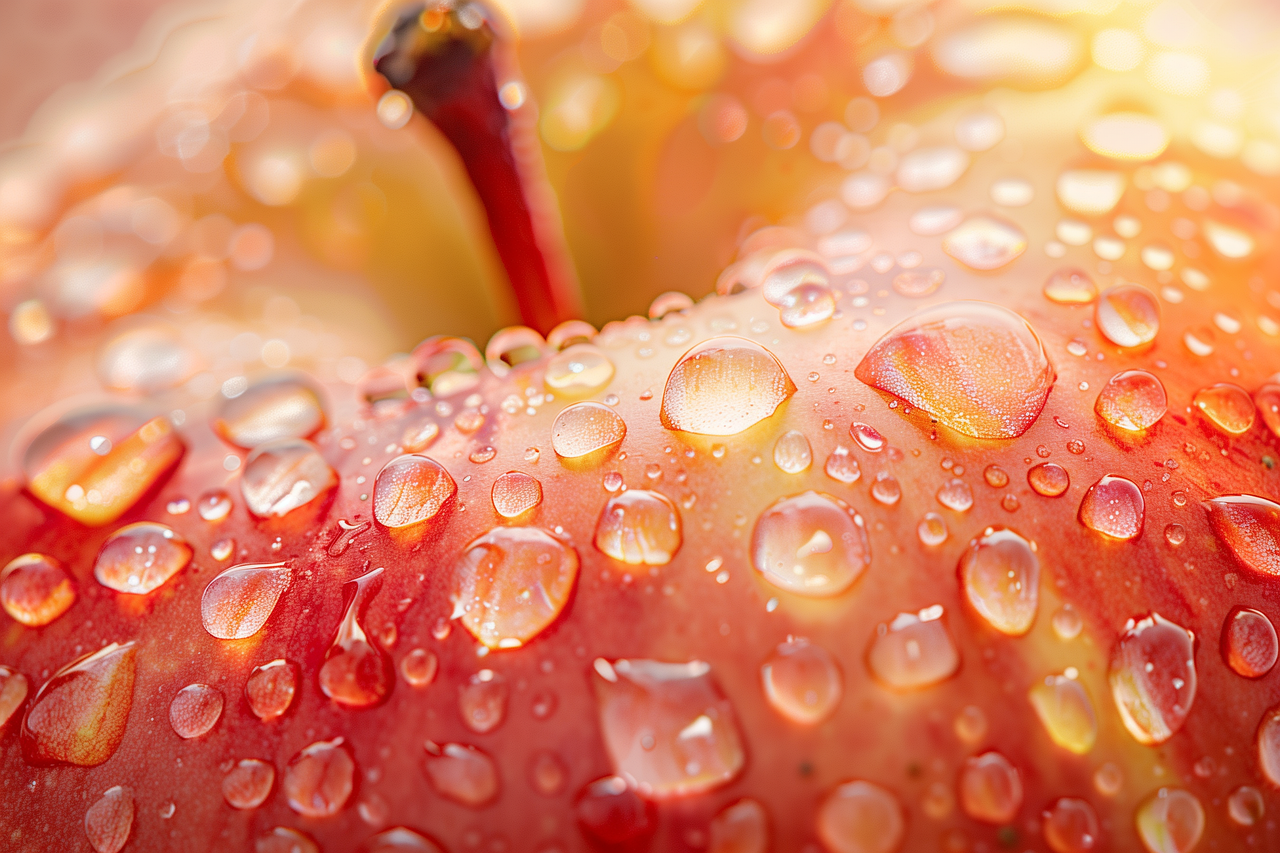

The Power of Fresh Fruits and Vegetables for Stress Management
In today’s fast-paced world, managing stress has become essential to maintain mental and physical well-being. One significant way to combat stress is by incorporating fresh fruits and vegetables into your diet. These foods are packed with essential vitamins, minerals, and antioxidants that can help alleviate stress. Eating a variety of colorful produce can provide the necessary nutrients that support your body’s response to stress. Moreover, the refreshing nature of fruits and vegetables can significantly improve your mood and enhance your overall health. The benefits of consuming these foods extend beyond nutrition; they can be a delightful addition to your meals. By including a diverse array of textures and flavors, fresh produce can make your meals more enjoyable and satisfying. This, in turn, can diminish the feelings of anxiety that often accompany stressful situations. In this article, we will explore the powerful effects of fruits and vegetables on stress management, highlighting some top choices and practical tips for incorporating them into your daily routine.
Benefits of Fresh Produce
Fruits and vegetables offer numerous benefits that are especially important for stress management. First and foremost, these foods contain high levels of vitamins C and E. These vitamins are known for their role in reducing stress and anxiety levels effectively. They help combat oxidative stress, which is linked to various physical and mental health issues. Consuming fresh fruits can also increase serotonin production, a neurotransmitter that promotes feelings of happiness and well-being. Leafy greens such as spinach and kale are excellent sources of magnesium. Magnesium has a significant impact on reducing stress. Including a variety of fruits and vegetables in your diet not only provides your body with essential nutrients but also encourages mindful eating. Mindful eating involves paying attention to the flavors, textures, and colors of your food, which can distract you from stressors. Creating colorful meals can be a fun and creative experience while also promoting well-being, enhancing your mood, and allowing you to manage stress more effectively.
Many individuals find that certain fruits and vegetables have specific stress-relieving properties. For instance, berries, particularly blueberries and strawberries, are loaded with antioxidants that can fight inflammation and stress. They have the unique ability to help repair cellular damage caused by stress. Bananas are another fantastic option for stress relief as they are rich in potassium. Potassium can help regulate blood pressure and reduce feelings of anxiety. An apple a day can indeed keep the doctor away; it also contributes to better brain health through its high antioxidant content. Avocados deserve a mention as well, as they contain healthy fats and B vitamins that can support your nervous system. Including a diverse range of produce ensures that you receive the full benefits of various nutrients necessary for managing stress. Additionally, experimenting with different recipes and ideas can keep your meals exciting and encourage better dietary habits. In the following sections, we will delve deeper into the types of fruits and vegetables that are particularly effective in mitigating stress.
Top Fruits for Stress Relief
When it comes to fruits known for their stress-busting properties, several varieties stand out. Citrus fruits like oranges, lemons, and grapefruits are excellent sources of vitamin C, which is essential for managing stress. The aroma of citrus is also uplifting, further enhancing mood. Kiwi is another fruit that promotes a sense of calm due to its high serotonin content. Pomegranates are a powerhouse of antioxidants that can help improve mood and cognitive functions. Cherries, too, are beneficial as they contain melatonin, helping to regulate sleep cycles. Another underrated yet powerful fruit is papaya. Rich in nutrients, it supports digestion and reduces stress levels significantly. These fruits not only boast health benefits, but they can also be deliciously incorporated into various dishes. From smoothies to salads or even as snacks, the versatility of these fruits makes them easy to add to your daily routine. Now, let’s explore some of the best vegetables that can aid in stress relief.
On the vegetable front, we find several contenders that can help with stress management. Dark leafy greens like spinach, collard greens, and Swiss chard are packed with fiber, vitamins, and minerals. They help keep blood sugar stable and prevent mood swings. Sweet potatoes are another great choice. Not only do they provide complex carbohydrates, which can enhance mood, but they also contain potassium, helping to regulate blood pressure. Cruciferous vegetables such as broccoli, cauliflower, and Brussels sprouts are also high in antioxidants that combat stress. Other colorful vegetables like bell peppers and carrots are nutrient-dense options that provide essential vitamins for stress reduction. Incorporating a variety of vegetables into your diet can also help maintain energy levels throughout the day. Preparing meals rich in vegetables can be visually appealing and enjoyable to eat. The higher fiber content will keep you feeling fuller for longer, which helps curb cravings that may arise from stress. Overall, selecting the right vegetables can significantly impact how your body reacts to stress.
Incorporating Fruits and Vegetables into Your Diet
Incorporating fresh fruits and vegetables into your diet doesn’t have to be complicated. One effective approach is to plan your meals in advance, ensuring that each meal contains a variety of colorful produce. A great way to start is by adding fruits to your breakfast, such as adding bananas or berries to your oatmeal or yogurt. For lunch, consider making a salad filled with a mix of leafy greens, sliced bell peppers, and cherry tomatoes. As for dinner, aim to include at least two servings of vegetables; stir-fried, roasted, or steamed options are delicious and healthy. Snacking on raw vegetables with hummus or guacamole and fruits like apples with nut butter can also be beneficial. Keeping pre-cut vegetables in your fridge makes for convenient snacking. Furthermore, exploring new recipes that feature fruits and vegetables can keep your meals exciting and fresh. You could create smoothie bowls, vegetable stir-fries, or even fruit salads. Experimenting helps you find new favorites that contribute to better stress management.
Finally, it’s essential to remember hydration’s role in managing stress. Often overlooked, staying properly hydrated can significantly impact mood and cognitive performance. While water is essential, you can also find hydration through foods, particularly fruits and vegetables. Water-rich fruits such as watermelon, cucumbers, and oranges are excellent choices. Including these helps you achieve your daily hydration goals while also providing the health benefits mentioned earlier. Ensuring proper hydration throughout the day can help you avoid feelings of lethargy and irritability, which can exacerbate stress. Moreover, drinking herbal teas can be a calming ritual that promotes relaxation. Chamomile, for example, is well-known for its calming properties. Integrating calming beverages into your routine can enhance the overall stress-relief effects of your dietary choices. Ultimately, combining fresh fruits and vegetables with good hydration practices creates a powerful strategy for stress management. By prioritizing these healthy options, you can take proactive steps toward a calmer and more balanced life.