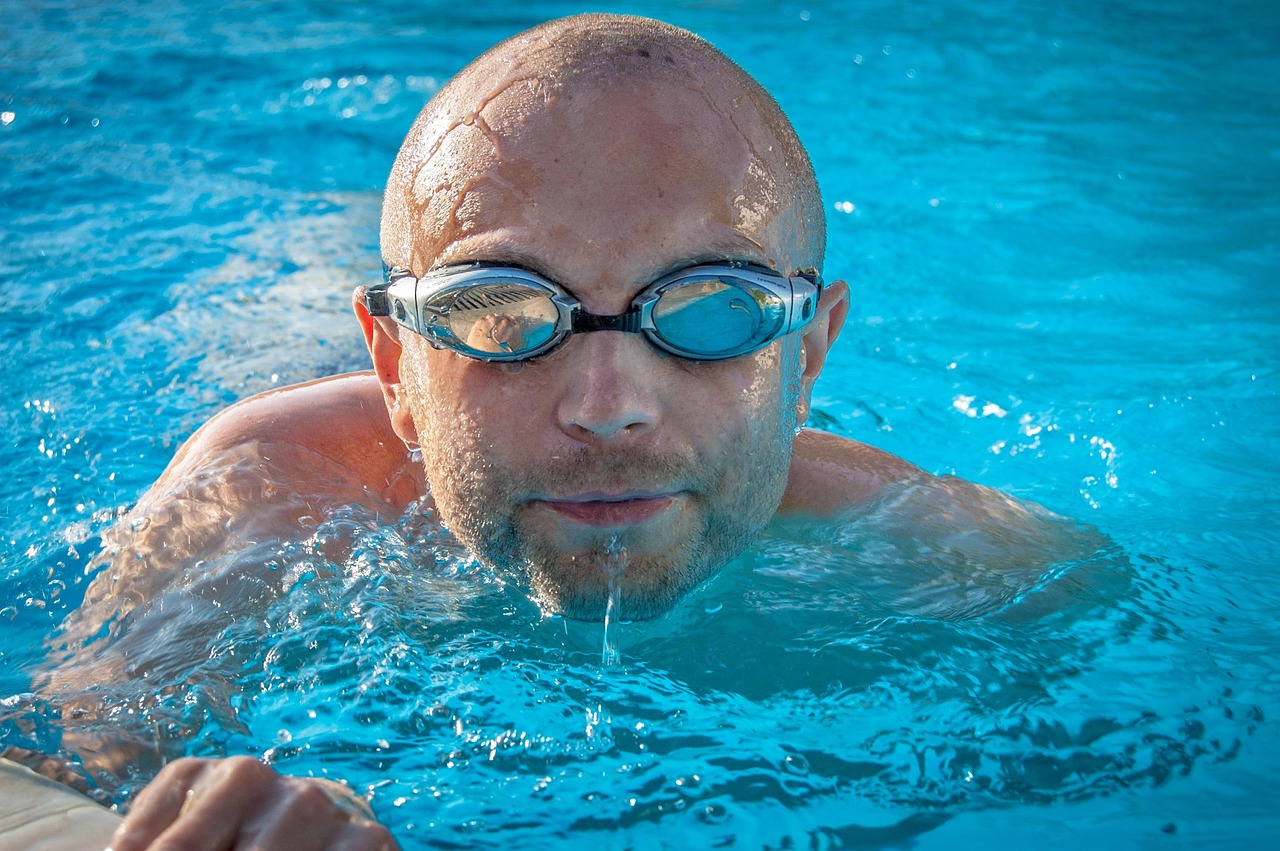

The Role of Hydrodynamics in Swimming Efficiency
Understanding the biomechanics of swimming involves analyzing how hydrodynamics contribute to swimming efficiency. Hydrodynamics, the study of fluids in motion, plays a crucial role in how swimmers navigate through water. Swimmers must leverage forces acting against their bodies, particularly drag and lift, to propel themselves efficiently. The primary types of drag in swimming include form drag and wave drag. Form drag occurs due to the swimmer’s shape as they move through the water. Swimmers optimize their technique to minimize this drag by using streamlined body positions. Wave drag, on the other hand, is generated due to the surface waves created as a swimmer moves. Effective techniques aim to reduce wave formation during strokes. Understanding buoyancy is also essential as it influences how much energy a swimmer expends. Swimmers with optimal buoyancy can maintain a better body position, resulting in a reduction in drag. Ultimately, mastering hydrodynamics is vital for swimmers to enhance their performance and efficiency in the water. By focusing on these principles, swimmers can better harness their strength, optimizing each stroke to achieve competitive advantages in their races.
Effective stroke techniques are highly influenced by hydrodynamics. In swimming, propulsion is created primarily through hand and foot movements during strokes. The four principal swimming strokes, freestyle, backstroke, breaststroke, and butterfly, each have unique propulsion mechanics influenced by hydrodynamic principles. For instance, in freestyle, the hand entry angle is essential for maximizing thrust while minimizing drag. This emphasizes creating an efficient catch phase as the hand enters the water. In contrast, the buoyancy and positioning of the hips and legs are crucial in breaststroke, where an upward motion helps to counteract drag forces effectively. Swimmers must understand the importance of timing and synchronization of their strokes, as incorrect timing may lead to increased resistance against the water. The placement of the feet during kicks also matters significantly, as improper positioning can create unintentional drag. For competitive swimmers, mastering these elements, including body rotation and arm movements, allows them to glide through water effectively. Ultimately, optimizing stroke mechanics improves overall performance, making swimmers more efficient, reducing energy loss, and increasing speed in competitions.
Impact of Body Position on Drag
Optimizing body position is essential for minimizing drag and maximizing speed in swimming. A swimmer’s alignment and posture not only affect their ability to move efficiently, but also their energy consumption. A horizontal position in the water reduces frontal resistance, allowing them to move faster with less effort. Keeping a streamlined shape is paramount to counteracting hydrodynamic drag forces. Swimmers often achieve this by engaging their core muscles and maintaining a straight line from head to toe. Elevating the head should generally be avoided, as this can cause the lower body to sink and increase drag. Proper kick mechanics also contribute to maintaining an ideal body position; the legs should remain close to the water’s surface. Swimmers need to focus on their breathing patterns, as improper timing can disrupt alignment. The integration of body rotation during strokes further promotes an efficient glide. Moreover, incorporating buoyant materials, like wetsuits, can enhance body positioning and improve swimmer stability. Thus, achieving and maintaining an optimal body position is fundamental to promote speed, convert energy effectively, and enhance overall performance in competitive swimming.
Surfing the waves during swimming competitions depends heavily on hydrodynamic principles. Swimmers must understand the impact of wave currents, as they can significantly influence speed and acceleration. Utilizing the wave dynamics can either offer an advantage or present a challenge, depending on the swimmer’s technique and situation. Learning to ride the wave effectively can lead to increased propulsive force when moving through water. For instance, during starts and turns, swimmers can exploit the wave’s energy for propulsion. Redirecting body movements correctly allows swimmers to harness the energy created by their initial push-off. Additionally, readying themselves for surges created during the competition will enhance efficiency. Diving underwater during the initial stroke also helps minimize resistance and takes advantage of wave action. The timing and positioning of kicks and strokes become essential, as swimmers must adapt to changing patterns in wave movement. Swimmers who master these tactics can save energy, maintain speed, and create a competitive edge. By respecting the hydrodynamic interactions between swimmer and waves, swimmers can elevate their performance significantly.
The Importance of Training and Technique
Proper training is fundamental to developing improved swimming techniques that align with hydrodynamic principles. Consistent practice enables swimmers to refine their strategies related to body mechanics, balance, and breath control. Coaches often emphasize drill work to correct body position and stroke mechanics, focusing on aspects like hand entry and kick rhythm. Key drills involve isolating various stroke components, allowing swimmers to concentrate on one aspect of technique at a time. For instance, practicing unilateral breathing can enhance stroke efficiency while reducing drag. Additionally, incorporating resistance training helps swimmers strengthen muscles involved in propulsion while familiarizing them with hydrodynamics at various speeds. Education regarding the science of hydrodynamics can aid in the conscious adjustment of techniques to optimize performance. Swimmers also benefit greatly from video analysis, revealing areas of improvement that may be overlooked. Physical strength and flexibility complement technique, ensuring that swimmers can effectively execute efficient movements. Ultimately, meticulous training targeting hydrodynamic awareness fosters the skillset needed to achieve faster swim times and maximize competitive potential in the pool.
Nutrition plays an integral role in supporting the physical demands of swimmers as they engage with hydrodynamics. Fueling the body properly ensures that athletes have the energy required for rigorous training sessions focused on mastering swimming efficiency. Balanced hydration is critical for maintaining optimal muscle function and overall performance, allowing swimmers to combat fatigue during workouts. Nutritional strategies should emphasize a mix of carbohydrates for energy, proteins for muscle recovery, and healthy fats for endurance. Pre-race meals should be tailored to individual preferences, as swimmers respond differently to specific foods. Swimmers must experiment to understand what works best for their body, ensuring they don’t experience GI distress during competitions. Moreover, post-workout recovery meals are essential, providing vital nutrients to repair and replenish muscles after intense training. Foods rich in antioxidants can help combat inflammation, promoting quicker recovery times. The integration of hydration strategies alongside meal plans will enhance performance gains. Therefore, a well-rounded nutrition focus not only increases swim efficiency but also augments overall health, ensuring swimmers feel their best both in and out of the water.
Conclusion: Mastering Hydrodynamics
In conclusion, mastering hydrodynamics in swimming is crucial for achieving peak performance and efficiency in the water. Understanding the role of drag, lift, and buoyancy is essential for swimmers at all competitive levels. By focusing on body position, stroke mechanics, and effective breathing techniques, athletes can enhance their efficiency and speed. Training regimes should incorporate drills that emphasize technique refinement, while nutrition is fundamental in supporting energy needs and recovery. The swimmer’s relationship with water is dynamic; thus, adapting to fluid mechanics through practice allows for a comprehensive understanding of performance enhancement. Additionally, psychological aspects cannot be overlooked, as mental conditioning helps swimmers focus on executing techniques accurately. Swimmers who invest time in comprehending hydrodynamic principles will likely outperform opponents who neglect these fundamentals. An eye on continuous improvement and knowledge application will propel swimmers to new heights in their sport. Ultimately, integrating science with practice leads to a holistic approach to swimming that champions skill, stamina, and strategic execution, enabling better results in the competitive arena.
The advancement of technology continues to revolutionize swimming techniques and enhance our understanding of hydrodynamics. Utilizing cutting-edge tools and equipment helps swimmers analyze performance data and body mechanics more effectively. Wearable devices and swimming-specific sensors provide real-time feedback on metrics such as stroke rate, heart rate, and distance per stroke. Moreover, advances in computer simulations allow athletes and coaches to visualize hydrodynamic impacts on performance, facilitating instructional development. Additionally, video analysis permits in-depth examination of stroke techniques and body position. Furthermore, virtual reality technology is emerging as a tool for swimmers to practice techniques in simulated environments. This allows for experimentation and risk-free practice without being in water. Such innovations reflect the ongoing integration of technology to gain insights into hydrodynamics while optimizing training methodologies. Strength and conditioning programs are being enhanced through technology, enabling tailored approaches that meet individual swimmer needs. Thus, technology serves as a critical ally in mastering hydrodynamics, providing essential tools to refine performance and achieve greater results in competitive swimming by continuously informing swimmers of their progress and potential areas of development.