
Understanding the Three Core Lifts in Powerlifting
Powerlifting is a strength sport that focuses on three main lifts: the squat, bench press, and deadlift. These lifts are primarily performed in a competitive setting to determine an athlete’s overall strength. Each lift is unique and demands specific techniques, training programs, and mental focus. Learning the fundamentals is essential for anyone interested in powerlifting, whether they aspire to compete or want to enhance their overall strength. Technique is crucial for these lifts, ensuring safety and effectiveness. Athletes need to develop a comprehensive training plan that includes accessory work to support the main lifts and address specific weaknesses. Nutrition and recovery also play significant roles in performance and can dramatically influence results. Due to the complexity of powerlifting, beginners should seek guidance from coaches or experienced lifters to avoid common mistakes. Powerlifting is not only about sheer strength; it’s a test of willpower and discipline, requiring both physical and mental training. In this article, we will explore each of these lifts in detail, their benefits, and how to execute them with proper form.
The Squat
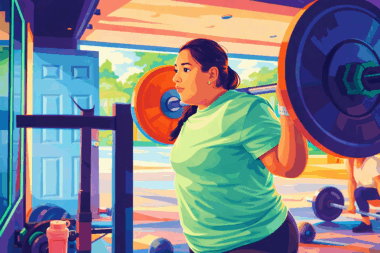
The squat is often referred to as the king of exercises due to its capacity to build overall strength and muscle mass. This compound movement primarily targets the muscles in the lower body, including the quadriceps, hamstrings, glutes, and lower back. Proper squat technique is essential to avoid injury and maximize the effectiveness of the lift. A good squat begins with setting the feet shoulder-width apart, focusing on maintaining a neutral spine while lowering into the squat. As you descend, keeping the knees aligned with the toes is critical. Additionally, core stability plays a significant role in supporting the spine and maintaining balance. Many lifters use variations like front squats or box squats to improve technique or target specific muscle groups within the squat pattern. Building leg strength and power through squats translates effectively to improved performance in the other two lifts. Regularly training squats, along with progressively loading the barbell, helps lifters achieve new personal records while enhancing overall athletic abilities. It’s essential to incorporate different squat variations into your training routine to develop all aspects of squatting.
Many powerlifters consider the bench press to be one of the most visually impressive lifts. The bench press primarily targets the upper body, working the chest, shoulders, and triceps. For lifters aiming to maximize their performance in this lift, proper form and technique are paramount. To execute a proper bench press, the lifter should lie on a bench with feet firmly planted on the ground for stability. Keeping a slight arch in the back and retracting the shoulder blades helps create a solid foundation. Lowering the barbell to the chest should be done in a controlled manner before pressing it back up explosively. Regular practice of various bench press variations, such as incline or decline presses, can further improve upper body strength and help lifters overcome plateaus. Establishing a strong bench press requires patience and consistency, as developing the necessary muscle groups can take time. Additionally, lifters often benefit from focusing on supplemental exercises that target triceps and shoulder stability, contributing directly to improving press performance. Following a structured program allows for progressive overload to ensure continued strength development.
The Deadlift
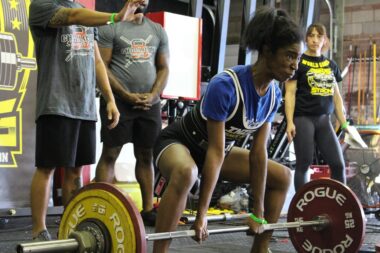
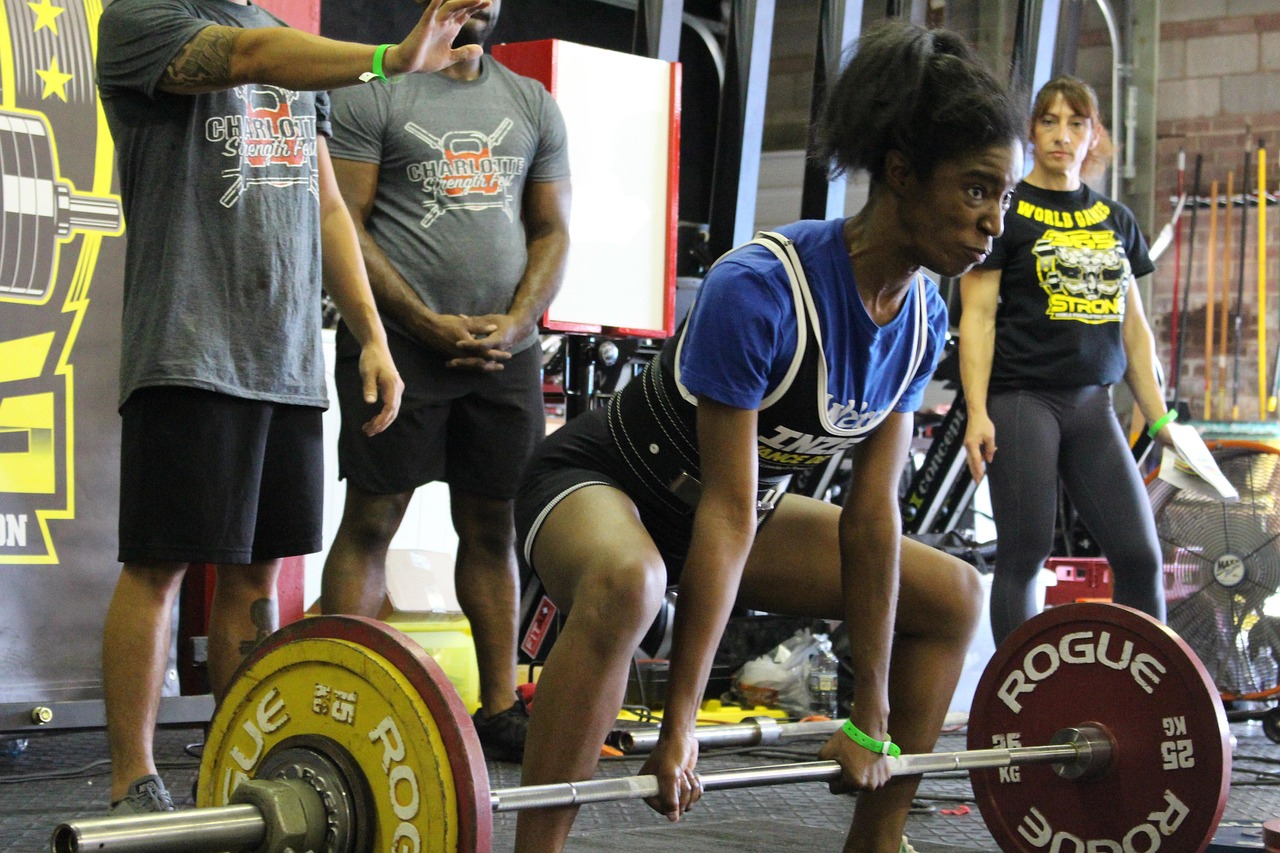
The deadlift is the most demanding of the three core lifts, engaging the body from head to toe. This lift primarily targets the posterior chain, which includes the hamstrings, glutes, and back muscles. Executing a proper deadlift begins with setting the feet hip-width apart, with the bar positioned over the middle of the foot. Maintaining a straight back is critical while bending at the hips and knees to grip the bar. The lifter should focus on engaging the core and driving through the heels to lift the bar along the body. As the bar rises, keeping the shoulders back and hips aligned is vital to preventing injuries. Lifters often utilize different forms of deadlifts, such as sumo or conventional stances, to adapt the movement to their individual strengths and preferences. Accessory exercises like Romanian deadlifts and good mornings can help strengthen the muscles used in the conventional deadlift, improving overall performance. Consistent practice and awareness of form are essential to mastering the deadlift and mitigating potential risks associated with heavy lifting.
Powerlifting is not solely about lifting heavier weights; it’s also critical to understand the importance of recovery and injury prevention. Proper recovery includes adequate sleep, nutrition, and active recovery practices to help muscles recover after intense training sessions. Nutrition should focus on consuming sufficient protein and carbohydrates to fuel training and promote muscle growth. Lifters may also consider integrating supplements for performance enhancement or recovery support. Incorporating flexibility and mobility exercises into your routine can help improve range of motion and reduce the risk of injury. Scheduled deload weeks are beneficial for allowing the body to rest and recover fully from the stresses of heavy lifting. Engaging in regular assessments of your technique through videos or working with coaches creates opportunities for improvement and enhances performance. Listening to the body is essential; ignoring signs of fatigue or pain can lead to more serious injuries that can derail progress as well. Thus, education about safe training practices, along with engaging mental focus, contributes significantly to long-term success in the sport of powerlifting.
Conclusion
Understanding the core lifts in powerlifting is essential for anyone interested in the sport or enhancing their strength training. The squat, bench press, and deadlift form the foundation of a comprehensive powerlifting program. Each lift requires specialized techniques, mental preparation, and specific training methodologies to achieve success. Powerlifting not only builds physical strength but also fosters mental resilience and discipline. A commitment to proper technique, continuous learning, and recovery strategies will help anyone reach their potential. Accessory exercises can enhance the primary lifts by improving muscle imbalances and weaknesses within the body. With a structured approach, lifters can set achievable goals to progressively enhance their lifting capabilities. Remember, powerlifting is about personal growth and pushing limits while maintaining safety. Finding a supportive community or engaging with experienced lifters can improve the overall experience and provide further insights into training practices. Ultimately, dedicating time and effort to mastering the three core lifts leads to substantial gains in strength and confidence, paving the way for continued success in this increasingly popular sport.
For visuals and inspirations, many lifters find motivation by following professional powerlifters on social media. Engaging with online communities can provide a sense of camaraderie and support as lifters navigate their unique journeys. By sharing experiences and tips, athletes can learn a tremendous amount about training, technique, and recovery strategies. Accessing videos of competitions and training sessions also helps budding lifters grasp proper form and understand how elite athletes approach their training. Books and articles focused on powerlifting can deepen understanding of exercise physiology and effective programming. Furthermore, attending local meets or workshops presents opportunities to experience competition firsthand and gain insights from seasoned lifters. Participating in discussions or learning about the various training philosophies can inspire athletes to adopt new strategies or methods. Documenting progress through training logs or video reviews compels lifters to remain accountable to their goals while visualizing their achievements. Emphasizing continual improvement and learning essential elements in the sport creates a fulfilling experience for all strength enthusiasts. In conclusion, powerlifting offers a unique blend of physical and mental challenges that can lead to substantial personal development and accomplishments.
In summary, powerlifting is a sport characterized by three fundamental lifts: squat, bench press, and deadlift. Each of these lifts serves a unique purpose while combining overall strength training into a cohesive skill set. Understanding and mastering these core lifts provide a strong foundation for proper training methodologies and maximize performance. The focus on technique, recovery, and mental preparedness is paramount for success in powerlifting competitions. By establishing clear goals and following structured training programs, athletes can achieve personal records and continually strive for improvement. Incorporating accessory exercises, flexibility work, and nutrition planning adds significant value to a powerlifting routine and aids injury prevention. Engaging in the powerlifting community can foster motivation, support, and education among lifters of all levels. Ultimately, dedication to personal growth and safety is crucial for long-term success in this sport. Along with physical strength, powerlifting cultivates resilience, determination, and self-discovery. For anyone interested in pursuing powerlifting, understanding the three core lifts is just the beginning of an exciting journey into the world of strength training.