
Winter Sports Safety Tips for Novice Snowmobilers
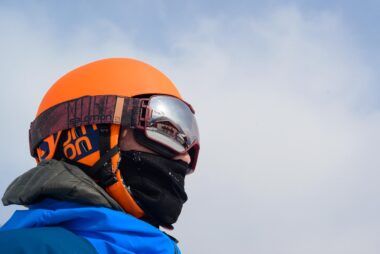
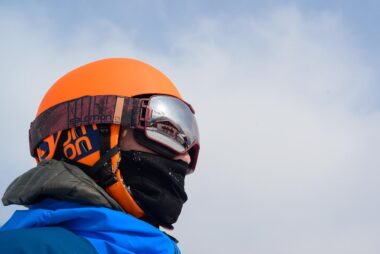
Winter sports can be exhilarating, particularly for those who are new to snowmobiling. However, safety is paramount when you embark on this thrilling adventure. To begin with, ensure that you wear a helmet at all times during your snowmobiling excursions. A quality helmet protects your head from potential injuries in case of falls or collisions. Additionally, wear layered clothing to keep warm, as winter temperatures can be extremely low. Opt for gloves and thermal socks to ensure that your extremities remain warm. Prior to riding, always perform a thorough inspection of your snowmobile. Check the fuel level, brakes, and lights to ensure they are in operational condition. Familiarize yourself with the controls and features of your snowmobile before hitting the trails. It is vital to maintain a safe speed and be mindful of your surroundings. Finally, bring along necessary safety supplies such as a first aid kit and a map of the area you plan to explore. This preparation will enhance your experience and enable you to enjoy the beauty of winter sports safely.
Before riding your snowmobile, take some time to learn about local laws and regulations regarding snowmobiling. In many areas, there may be restrictions in place such as speed limits and trail usage that you must be aware of. Knowing where you can and cannot ride can prevent legal repercussions and ensure that everyone has a great time in the backcountry. Always ride in groups rather than alone to minimize risks in case of accidents. Riding with others allows for assistance in emergencies. Consider taking a snowmobile safety course, which helps you develop essential skills and knowledge needed for safe operation. Courses often cover topics such as navigation, trail etiquette, and responding to unexpected situations. When riding, maintain a safe distance between you and other snowmobilers to avoid collisions. Always give right of way to others in accordance with local rules. If you encounter a steep slope or difficult terrain, reassess the conditions and ensure you can handle such challenges. By respecting your limits, you can have a fun and safe snowmobiling experience, ensuring that winter sports remain enjoyable for everyone.
Gear and Equipment Essentials
Your safety on a snowmobile greatly depends on the gear you wear and the equipment you use. Invest in high-quality winter gear designed specifically for snowmobiling. This includes insulated pants, jackets, and snow boots to keep you protected from the cold. An excellent pair of goggles is essential for visibility during various weather conditions, such as snow and wind. Make sure to choose padded and durable attire that allows mobility yet provides adequate protection from falls. Additionally, keep a pair of hand warmers at your disposal. Keeping your hands warm is crucial for maintaining control of your snowmobile, especially during extended rides. Furthermore, consider attaching a safety flag to your snowmobile. This can make it visible in low-visibility scenarios and can help others see you while riding or parked on trails. A dash-mounted GPS can also be beneficial to ensure you don’t get lost, especially in unfamiliar territories. Remember, having the right gear not only keeps you warm but also enhances your overall experience and provides peace of mind on the snow-covered trails.
Always monitor weather reports and understand how variable weather can impact snowmobiling conditions. If storm alerts are issued or if adverse conditions are expected, it is advisable to postpone your ride. Snow can affect visibility, making trails harder to navigate and increasing the risk of accidents. In addition, be prepared for changing conditions while on the trail. This requires being knowledgeable about assessing the snow quality and terrain. Some days, the snow may be hard packed, while on others it can be soft and fluffy, requiring different riding techniques. Always remain aware of your surroundings while on the trail; look out for obstacles such as trees, rocks, or other riders, which may appear suddenly. When approaching corners, reduce your speed and carefully navigate that area. Also, be alert for wildlife crossing the trails, especially at dawn and dusk. Respecting wildlife is important for conservation and sustaining natural habitats. Overall, an informed rider is a safer rider; thus, continually improve your knowledge and skills surrounding snowmobiling by communicating with experienced riders.
Safe Riding Practices
Practicing safe riding habits is critical for novice snowmobilers. Start your excursions on easy, well-marked trails to build your confidence and skills. Avoid high-traffic areas until you’re familiar with your vehicle and capable of maneuvering safely. While riding, follow designated trails to avoid getting stuck or lost in difficult terrain. Furthermore, ride at a pace that feels comfortable for you while still adhering to trail speed limits. Speeding not only increases your risk of accidents but can also endanger others on the trail. Pay attention to signs along the way that indicate particular warnings or hazards. If you’re uncertain about the stability of the ice or snow, avoid riding on it altogether. Staying in control is essential; if you feel your skills falter, slow down or take a break. Connecting with other riders can assist you in improving your skills while also maximizing enjoyment. Make sure someone knows your itinerary before you go out. If anything goes wrong, communication can assist rescuers in locating you quickly. Always ride defensively and be proactive in avoiding situations that may lead to potential dangers.
After your ride, take the time to maintain your snowmobile properly. Regular maintenance checks ensure your snowmobile operates smoothly and safely. Clean your machine after every ride to remove any dirt, debris, or snow build-up that could cause future complications. Verify that the oil and gas levels are adequate, replacing or replenishing as needed. Consult your owner’s manual for specific guidelines on maintenance intervals and necessary checks. Inspect the belt and clutch; these components can wear out over time and should be examined regularly to ensure proper function. Also, inspect your track and skis for any signs of damage that could impact performance. It’s advisable to keep your equipment in a dry, sheltered area to prevent rust and deterioration. Before the next ride, recheck all critical components to confirm they are working correctly. If you find any damaged parts, replace them promptly to avoid potential failures on the trail. Committing to proper post-ride practices not only benefits your safety but enhances the longevity of your snowmobile. A well-maintained vehicle is crucial for enjoyable experiences on winter trails.
Emergency Preparedness
Being prepared for emergencies while snowmobiling can save lives and enhance your outdoor experiences. Carry the essential safety equipment, including a first aid kit, survival blankets, and a flashlight. Include a multi-tool or knife to assist in various compounding situations. Always remember that having a basic knowledge of CPR and first aid is beneficial. This knowledge can help you assist a fellow rider in distress until professional help arrives. Familiarize yourself with the snowmobile’s emergency features, including the location of a kill switch to stop the engine quickly in case of danger. Preparation also involves knowing how to build an emergency shelter if you become stranded. Practice these skills on safer, familiar terrain before venturing deeper into backcountry trails. When you venture into remote areas, ensure someone knows your plan and timeframe. This will aid search efforts if you don’t return on schedule. Carry a GPS or mobile phone for navigation and emergencies; however, understand that signal strength may vary in remote locations. Always remain calm and composed. Good judgment in emergencies can make a significant difference in outcomes.
Moreover, take the time to educate yourself on local wildlife and plant life in the areas you plan to explore. Understanding your surroundings enables you to respect nature and maintain safety. Certain animals may be active during winter months and can pose risks without knowledge of their behavior. Being aware of plants that may cause allergic reactions can assist in avoiding unnecessary trouble. Always plan your itinerary according to available amenities, such as shelters and medical assistance. Knowing where these services are located can make a significant impact during an emergency. Whenever possible, participate in group excursions when heading into unfamiliar regions. Riding with experienced individuals can enhance your safety and learning experience significantly. Finally, ensure that your riding partner is on alert. Together, you can assess risks and provide assistance when needed. Consider using hand signals to communicate with others in an efficient manner, especially when navigating tight spots or difficult terrains. Small details can enhance communication and understanding among riders. Adventure holds many rewards, but never compromise safety. Following these guidelines will allow novice snowmobilers to enjoy winter sports responsibly.