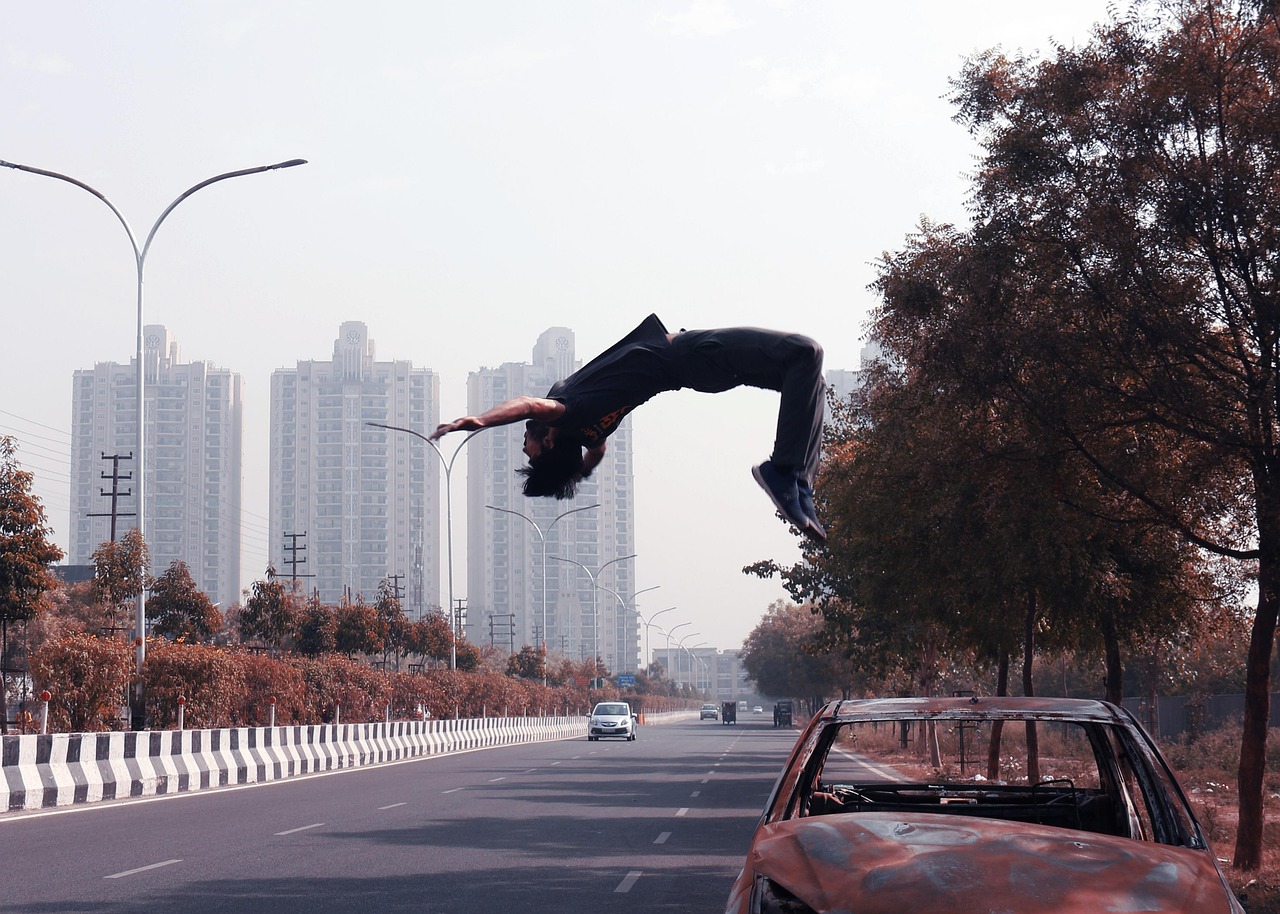

Avoiding Common Warm-Up Mistakes in Parkour
Warm-up routines are essential for any parkour practitioner. They help prevent injuries and improve performance. However, many athletes overlook certain aspects while warming up, leading to ineffective routines. Common mistakes include skipping the warm-up entirely or performing inadequate stretches. Effective warm-ups should last 10 to 15 minutes, gradually increasing heart rates while focusing on dynamic movements. Static stretching, although beneficial, should be reserved for cool-downs. Incorporating a mix of aerobic activities and sport-specific exercises can significantly enhance your performance. Also, warming up in a safe, open area allows for maximum movement without barriers. Make sure to include movements specific to parkour such as precision jumps, vaults, and rolls. Prioritize areas of your body that are most engaged during sessions. Pay attention to engaging hips, legs, and core muscles. Also, deep breathing exercises can be beneficial for improving oxygen flow and overall mental readiness. A well-thought routine ensures your body is agile and prepares it for strenuous activities. In summary, a comprehensive warm-up routine should lead with effectiveness, addressing both movement specifics and overall body readiness.
Cool-down routines are just as important as warm-ups in parkour. They help the body recover and reduce muscle soreness post-training. Unfortunately, many practitioners neglect the cool-down phase, focusing solely on their workouts. Skipping this phase can lead to stiffness and delayed recovery. Cool-downs should comprise lighter activities that slowly decrease heart rates, such as walking or gentle jogging. This helps your body transition from high intensity to a restful state. Following these activities, emphasis should be placed on static stretching. Stretches targeting major muscle groups like hamstrings, quadriceps, and calves prevent tightness. Staying hydrated during and after training sessions ensures your body effectively recovers. Another common mistake is misunderstanding the importance of breathing. Incorporate deep, controlled breathing during your cool-down. This increases relaxation and aids in recovery. Allocate at least 10 minutes for this phase, and focus on mindful movements. Ending your session properly fosters a positive connection between your mind and body. If you plan to train regularly, embrace these practices. Remember that adequate recovery can enhance your performance tremendously and protect you from injuries.
Know Your Body and Limitations
Understanding your body is crucial when warming up for parkour. Every individual’s warm-up routine should cater to personal fitness levels and areas requiring focus. Beginners often underestimate the importance of this personalization. Listening to your body signals is essential for effective training. If a particular muscle feels tight or sore, focus on warming that area more thoroughly. Mastering the fundamentals of warm-up helps in refining technique and performance. Consider consulting with experienced practitioners or trainers to tailor your routine. They can suggest exercises specific to your skill level and individual needs. Another common pitfall is rushing through the warm-up. Allow yourself ample time to prepare both physically and mentally, ensuring that you don’t overlook essential movements. Each warm-up session should progressively warm your body, thereby reducing injury risk. If you find certain movements challenging, modify them instead of skipping them entirely. Through modification, you slowly build the strength to perform them correctly. Lastly, varying your routine can keep your warm-ups exciting and effective. Incorporating different exercises prevents boredom and engages various muscle groups effectively.
Incorporating dynamic stretching before your session improves flexibility and range of motion. Classic stretches, such as arm circles and leg swings, activate crucial muscle groups, preparing them for upcoming movements in parkour. Targeting flexibility increases your confidence while executing high-risk techniques and transitions. Focusing on these stretches allows your joints to endure the impact encountered in parkour. Plus, warming up your joints with dynamic movements truly sets a fantastic foundation for the session. Many practitioners overlook the importance of strength training in warm-up routines. Building core strength aids significantly in balance and stability during various parkour techniques. Consider incorporating body-weight exercises like planks or squats to enhance strength. Engaging in strength-building activities prepares your body for specific techniques that require power and control. These can involve combinations of jumps or vaults that utilize explosive strength. Specific muscle activation leads to improved neuromuscular coordination, which is essential for parkour. Additionally, add fun and creativity to your warm-ups. Games or partner drills can make warming up enjoyable and enhance bonding with others. Take every opportunity to learn and share new warm-up techniques to expand your flexibility and insights.
Mind-Body Connection
Establishing a connection between the mind and body during warm-ups enhances performance. Visualizing successful techniques can mentally prepare you for parkour challenges ahead. Many athletes overlook the psychological component of warming up. Practicing mindfulness can significantly improve focus and decision-making during training. Engaging in visualization techniques allows you to mentally rehearse movements before physically attempting them. This reduces anxiety and increases self-confidence in executing complex sequences. Mental warm-ups could include visualizing completed parkour runs. Always use imagery of smooth landings and flawless transitions within your visualization. Creating a positive mental state encourages resilience when facing obstacles. Another significant aspect is understanding your emotions and establishing your intent for the training session. Reflecting on previous experiences can provide insight into your mindset during warm-ups. Evaluate your goals and set clear intentions for each session. Focused practice is more efficient than random training; aligning your emotions with your physical preparation leads to progressive improvement. Cultivating an empowering mindset can significantly elevate your training experience and foster deeper connections with fellow practitioners. Ultimately, bolstering the mind-body connection translates to increased success in executing challenging parkour movements.
As part of a holistic warm-up routine, consider additional equipment that can improve your performance. Tools like resistance bands and foam rollers can enhance flexibility and recovery. Resistance bands offer great ways to increase strength while warming up. Utilizing bands during stretches can activate targeted muscles, enhancing their readiness for activity. Ensure you’re familiar with exercises using these tools. Foam rollers also offer benefits; they aid in myofascial release before training. This helps alleviate tension and increases muscle flexibility while preparing the body for upcoming actions. Allocating time for self-myofascial release encourages muscle pliability, enabling easier movement during parkour. It’s vital to combine these tools effectively in your warm-up to maximize benefits. Always prioritize movements that mirror parkour activities when incorporating equipment. When using resistance bands, emphasize explosive movements that prepare your body for rapid transitions. However, be aware of how much resistance you’re using to prevent strains. Consider consulting a knowledgeable coach to integrate these aspects into your warm-up practices. Integrating these tools may add another layer of preparation, ensuring that you develop into a more versatile and resilient parkour athlete.
Engage in Progressive Warm-Up
Emphasizing a progressive warm-up ensures that your body is sufficiently prepared for parkour training. Gradually elevate intensity levels over time to ensure the muscles are properly engaged, reducing injury risks. Start with light cardiovascular activities, such as jogging to elevate heart rates. As your body warms, integrate dynamic stretches specific to movements encountered in parkour. Progressively include techniques mimicking vaults, leaps, and rolls to prepare the neural connections for corresponding actions. To avoid plateauing in performance, consider varying intensities on different days. Some days, prioritize explosive movements, while others should focus more on agility and balance. This variability keeps your routine exciting and refreshing while reinforcing core skills. Tracking your performance can also encourage improvements in your warm-up. Maintaining a dedicated journal detailing techniques and progress helps recognize patterns and refine areas where you’ve improved. Alternatively, recording yourself could provide insight into transitioning from low to high-intensity actions. Consistent reflection can reveal how your warm-up routine translates into improved parkour performance. Each aspect works together to build a solid foundation that keeps you engaged, focused, and prepared for every training session.
Lastly, fostering a positive warm-up environment is essential. Surrounding yourself with like-minded individuals fosters motivation and encouragement. Training with peers enhances accountability while making the warm-up phase enjoyable. Observing others’ routines can introduce new ideas, refining your approach to warm-ups. Building a designated area for warm-ups enhances focus, removing distractions present elsewhere. Ensuring your training surroundings are safe eliminates potential risks associated with warming up. Create a space that promotes freedom of movement, minimizing obstacles that could lead to injury. Always respect personal space while training with others. Waiting for your opportunity to practice techniques can build patience and determination. Conclusively, establishing a proper warm-up regimen may take time. However, once a routine is refined, it facilitates continuous progress in your parkour journey. Always strive for improvement, ensuring your warm-ups align with your specific needs and goals. Consistency, creativity, and awareness are vital for effective warm-up and cool-down routines. Regularly review and modify your practices to keep them effective and relevant. Remain open to learning and adapting, and your parkour abilities will flourish exponentially.