
Can Drinking More Water Speed Up Your Body’s Detoxification?
In our modern world, where the body is often exposed to an array of toxins and pollutants, understanding detoxification is essential. Detoxification is a natural process involving the removal of harmful substances from the body. A significant component of effective detoxification is hydration. Water plays a critical role that cannot be overstated. When we drink adequate amounts of water, it helps in diluting toxins, promoting their elimination through urine and sweat. Drinking more water can enhance kidney function, which is vital for filtering blood and removing waste. Additionally, water aids digestion, ensuring that nutrients are absorbed effectively while also expelling waste. Many overlook that hydration can influence metabolic processes. A well-hydrated body maintains optimal organ function, boosting the efficiency of detoxification pathways. Furthermore, as the liver processes toxins, being well-hydrated helps it to function more efficiently. In this article, we will explore how increasing water intake can significantly impact the detoxification process, alongside the efforts individual can implement to enhance their hydration strategies for overall health and wellness. The importance of staying hydrated cannot be emphasized enough.
The Connection Between Hydration and Detoxification
The relationship between hydration and detoxification is founded on biological principles. Water serves as the medium for many physiological processes, particularly in filtering and eliminating waste products from the body. For instance, the kidneys require sufficient water to effectively excrete toxins through urine. When water intake is low, the kidneys can become overworked, leading to a buildup of toxins in the bloodstream. This can result in various health issues, such as kidney stones or urinary tract infections. Moreover, hydration aids in maintaining the volume and consistency of blood, which is crucial in delivering nutrients to cells and removing waste. Interestingly, when the body is dehydrated, it may begin to retain water, leading to potential health complications. Water also acts as a lubricant and shock absorber for joints, which directly impacts physical activity levels. An active lifestyle, combined with proper hydration, significantly improves the detoxification processes, further promoting a cycle of health and wellness. Thus, individuals aiming to enhance their health should pay attention to their hydration levels, making sure to drink adequate fluids daily for effective detoxification.
Furthermore, the mechanisms through which water facilitates detoxification involve several vital organs in the body. One of the pivotal organs for detoxification is the liver, which requires a consistent supply of water to perform its functions effectively. The liver metabolizes fats, carbohydrates, and proteins, converting them into energy and waste products. When dehydrated, the liver struggles to complete these metabolic processes, which can interfere with its detoxification abilities. Similarly, the gastrointestinal tract benefits from adequate hydration. Water is essential in breaking down food for nutrient absorption and in moving wastes towards elimination. In cases of dehydration, the body can become constipated, further hampering the detoxification process. Moreover, skin health is also tied to hydration. The skin is one of the body’s largest organs and plays a critical role in excretory functions. By sweating, it helps expel toxins. When the body is dehydrated, the skin may not function optimally, leading to a dull appearance and various skin issues. Increased water intake thus promotes healthy skin, significantly supporting the overall detoxification process.
Practical Hydration Strategies
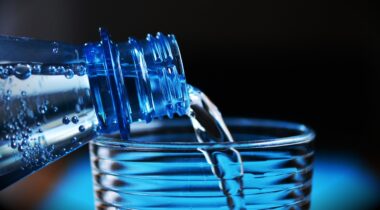
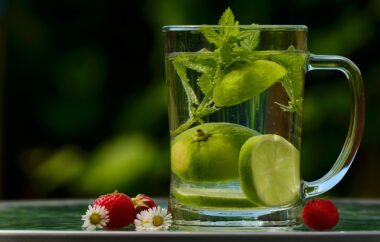
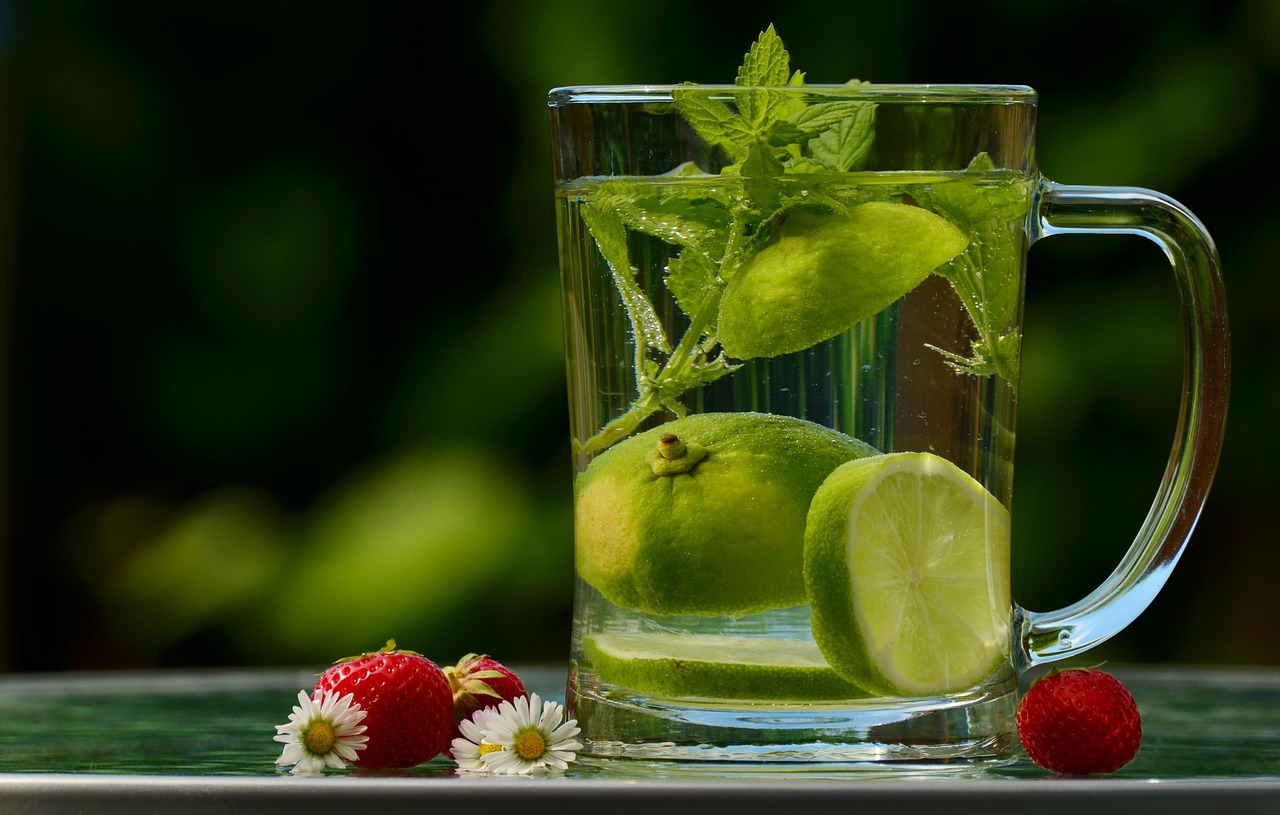
To ensure you are adequately hydrated, consider implementing practical strategies for increasing your water intake. Start by setting daily water goals based on your individual needs, considering factors such as activity levels, climate, and overall health. Carrying a reusable water bottle can be a great reminder to drink more often. Additionally, incorporating hydrating foods into your diet can be beneficial. Consuming fruits and vegetables like cucumbers, oranges, and watermelon can help increase your overall water consumption. Moreover, consider drinking a glass of water before each meal; this simple practice not only boosts hydration but can also aid in digestion and prevent overeating. Utilizing hydration apps or reminders may also assist in keeping your goals on track. For those who find plain water unappealing, exploring infused water with natural flavors from herbs or fruits can enhance the experience. Remember that beverages like herbal teas can also contribute to your hydration levels, promoting a comfortable variety. Overall, maintaining hydration is a personal journey, and finding enjoyable methods to drink more water can make a significant difference in your detoxification efforts.
It’s important to note that while increasing water intake is essential, moderation is equally crucial. Overhydration can occur, leading to an imbalance in electrolyte levels, which may cause complications. Symptoms of overhydration can include nausea, headache, and confusion. Therefore, finding the right balance is paramount to maximizing the benefits of hydration. Additionally, individuals engaged in heavy physical activity or those sweating heavily should take care to replenish lost electrolytes as part of their hydration routine. Electrolytes play a critical role in maintaining fluid balance within cells and overall bodily function. Foods rich in potassium, sodium, and magnesium can complement your hydration strategy effectively. Preparing for hydration needs during warmer weather or strenuous workouts is essential for optimal performance. Prioritizing water consumption before, during, and after exercise can greatly aid in the detoxification process and overall health. In conclusion, adequate hydration serves as a cornerstone of effective detoxification. It is indispensable to our overall well-being, underscoring the importance of developing healthy hydration habits to support and enhance our body’s natural detoxification processes.
Conclusion
In conclusion, drinking enough water significantly influences the body’s detoxification mechanisms. The connection between hydration and detoxification reveals how essential water is in helping the body remove toxins efficiently. As explored, hydration impacts numerous bodily functions, from kidney health to skin appearance, all of which play a critical role in detoxification. If you aim to enhance your detoxification efforts, implementing consistent water intake is vital. Whether it’s through direct hydration via beverages or through the consumption of hydrating foods, ensuring that your body receives sufficient fluids will benefit your overall health immensely. Understanding the signs of dehydration and knowing how to address them can lead to improved wellness and vitality. It is equally important to remember that hydration should not be excessive; finding balance is key. Ultimately, incorporating simple yet effective hydration strategies into your daily routine will bolster your body’s ability to detoxify, leading to a healthier and cleaner bodily experience. Embrace the importance of staying hydrated and experience the profound effects it can have on your health, including enhanced detoxification, better energy levels, and improved well-being.
As we delve into the importance of hydration, it becomes evident that it is a fundamental part of maintaining a healthy lifestyle. The body’s detoxification processes rely heavily on water intake, as hydration assists the body in flushing out toxins efficiently. Whether from pollution, food, or lifestyle choices, we are continually exposed to harmful substances that accumulate over time. Drinking adequate amounts of water does not only promote detoxification; it aids other bodily functions, such as digestion, circulation, and temperature regulation. It is often recommended that adults drink at least eight 8-ounce glasses of water per day, although individual needs may vary based on factors such as size, activity level, and environmental conditions. Each person’s level of hydration is vital to their health and longevity. By making water consumption a priority, individuals can significantly improve their health outcomes. Additionally, incorporating other healthful practices such as consuming a balanced diet rich in whole foods along with staying physically active can compound the benefits of hydration. Proper hydration in conjunction with a healthy lifestyle enhances bodily functions and supports the overall well-being of individuals.
In summary, a comprehensive approach to hydration and detoxification is necessary to foster optimal health. Investing time in understanding one’s hydration status, setting realistic consumption goals, and adhering to a consistent routine can yield substantial benefits. It is well-acknowledged that prioritizing water intake is an easy yet impactful change that pays off in the long run. Water is essential for bodily functions; being well-hydrated boosts metabolism, amplifies energy, and fosters clearer thinking. Furthermore, recognizing natural thirst signals and acting on them can lead to more intuitive drinking habits, ultimately enhancing detoxification processes. When alongside a nourishing diet, proper hydration propels the body towards better health outcomes. Additionally, utilizing technology to track water consumption can keep you accountable and motivated. Whether you’re on a fitness journey, looking to improve hydration levels, or aiming for natural detoxification, remember that every sip counts. It doesn’t have to be challenging; finding enjoyable ways to drink water regularly can significantly enhance each individual’s health. Emphasizing hydration in daily life is perhaps one of the simplest yet most effective ways to enhance overall health.