
Collaboration Between Sports Medicine and Emergency Services
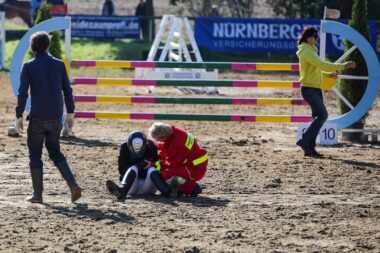
Collaboration between sports medicine professionals and emergency services is essential for ensuring athlete safety. Emergency medical technicians (EMTs) and sports medicine specialists must communicate effectively. By working together, they can develop comprehensive emergency action plans tailored to the specific risks associated with various sports. Training sessions should include joint exercises that simulate emergency situations, enabling all parties to respond effectively when incidents occur. Coordination in handling emergencies is crucial because time is often of the essence. During high-impact sports events, the risk of injuries, including concussions, fractures, and sprains, increases dramatically. Sports medicine professionals are trained to quickly assess and provide immediate care. On the other hand, emergency services have the resources, experience, and specialized equipment needed for critical interventions. Thus, seamless cooperation enhances the overall emergency response. Regular drills can help both teams practice scenarios, refining their techniques. Furthermore, establishing standard protocols encourages consistent reactions in emergencies and fosters confidence among athletes. A unified approach can reduce the response time significantly and ensure that all parties are prepared for any situation.
The seamless integration of emergency services into sports medicine significantly enhances athlete safety. This collaboration starts with clear lines of communication among all personnel involved. Sports organizations must prioritize joint training sessions to familiarize both EMTs and sports medicine staff with various sports-specific injuries and concerns. By understanding each other’s roles, they can create effective protocols that streamline responses during emergencies. During practice, conducting drills that simulate real-life injury scenarios helps both teams assess performance and improve response capabilities. Additionally, coaches and athletes should be informed about the importance of signaling emergencies promptly. A shared understanding fosters a transparent and supportive environment for everyone involved, ensuring that injuries are handled efficiently. Moreover, developing an accessible health information system can further facilitate the collaboration. Such systems would allow immediate access to an athlete’s medical history, including allergies, past injuries, and emergency contacts. This knowledge is invaluable during high-pressure situations. Ultimately, the proactive participation of both sports medicine and emergency services optimizes the overall care of athletes, minimizing complications and fostering a culture of safety in sports environments.
Training and Preparedness
Training for emergency situations in sports must be systematic. Sports medicine professionals and emergency responders need comprehensive preparedness programs that outline protocols and standards. Understanding the specific challenges and injuries associated with various sports can aid in developing customized training initiatives that ensure readiness. These programs should involve simulations of different emergency scenarios, covering everything from cardiac arrests to severe traumatic injuries. Organizations can utilize experienced trainers who specialize in emergency response to lead these exercises. Such training helps all involved parties learn their respective roles and responsibilities in crisis situations. Athletes should also participate in these sessions to understand the protocols and procedures that will be followed in emergencies. When athletes know how to signal for help and how to remain calm, they contribute significantly to the overall safety of the environment. Keeping updated records of training, certification, and drills acted upon ensures readiness for any emergency. With planned training, collaboration between emergency services and sports medicine can respond effectively, creating a solid system that protects athletes and minimizes potential injuries during competitions.
Monitoring athlete health during competitions is a critical aspect of collaboration between sports medicine and emergency services. Regular assessments of athletes’ physical conditions before competitions can reveal potential issues. Sports medicine professionals should conduct these evaluations, checking for anything that might increase injury risk. To streamline this, integrating technologies that monitor vital signs and performance metrics into sports medical evaluations can enhance the detection of concerning issues. Additionally, emergency services can assist in designing health-monitoring systems for large events. Such systems help in tracking injuries and overall athlete safety throughout the competition. This should include creating a reporting mechanism for injuries that might require immediate attention. For larger events, establishing a medical team on-site ensures swift care when needed. While teamwork is essential, effective communication is equally important. Establishing clear protocols on how and when to communicate concerning athlete health can minimize misunderstandings. Consequently, both sports medicine and emergency services must continually refine their collaborative models, focusing on the evolving challenges of athlete care, especially during high-stakes events where injuries occur frequently and quickly.
Event Management and Protocols
Event management must prioritize athlete safety in every planned activity. Effective emergency response protocols are vital components of this preparation. Coordinated efforts between sports medicine teams and emergency service providers result in comprehensive event safety strategies. Critical elements include pre-event briefings, where all staff members familiarize themselves with emergency protocols specific to the event venue. This ensures everyone is aware of emergency response locations, equipment, and communication devices available. Sports medicine teams should outline potential injuries linked to the competition while emergency services provide insights into their intervention strategies. Collaborative event management allows for real-time decision making throughout the event. Both entities must remain vigilant, observing athletes for signs of distress or injury. In this proactive role, teams can mitigate risks and respond swiftly when issues arise. During the event, protocols should include rapid assessment and clear communication paths. If incidents occur, designated personnel should report to the emergency response team immediately. This real-time collaboration and communication augments athletes’ safety. Both groups can fine-tune their strategies based on post-event reviews, enhancing future safety measures and intervention protocols for all sports events.
Athlete education is a fundamental aspect of enhancing safety through collaboration. Athletes should be informed about the sorts of injuries that are prevalent in their sport while also understanding the proper techniques and preventive measures. This proactive education fosters a culture of safety among athletes, empowering them to take charge of their well-being. Sports medicine providers should conduct regular workshops aimed at educating athletes about injury prevention strategies. Workshops can cover topics such as proper warm-up techniques, hydration, nutrition, and recognizing signs of injury. Emergency services can collaborate in these initiatives, sharing knowledge on emergency protocols and what to expect during an injury occurrence. This equips athletes with crucial information, allowing them to respond adequately during emergencies. Moreover, encouraging athletes to report injuries and symptoms promptly ensures responsive action can be implemented swiftly. An educated athlete can help facilitate the proper protocol in urgent situations, thereby minimizing the severity of injuries. Consequently, ongoing training and educational initiatives reinforce the commitment of both sports medicine and emergency services towards maintaining athlete health and safety.
Future Directions
The future of athlete safety relies heavily on the continuous evolution of collaboration between sports medicine and emergency services. Integrating advanced technologies such as telemedicine and wearable devices can enhance communication and response in emergencies. Athletes are increasingly benefiting from real-time health monitoring via fitness trackers and mobile applications that relay critical health data to their healthcare teams. These innovations can provide immediate alerts during competitions. Improvised access to first responders can lead to timely intervention, thus improving outcomes significantly. Investing in research to evaluate current response strategies enhances the efficacy of existing protocols. This research should focus on emergent trends in sports injuries, performance metrics, and best practices in emergency responses. Additionally, sharing case studies and success stories among sports organizations can help promote effective models of collaboration. As safety becomes paramount, developing standardized training programs across multiple sports organizations encourages consistency in emergency preparedness. Ultimately, collaboration, research advancements, and continued education will shape the future landscape of sports medicine and emergency services, further safeguarding athletes as they perform.
Ultimately, ongoing collaboration between sports medicine and emergency services is not merely beneficial; it is essential for athlete safety. With the increasing intensity and frequency of competitive sports, the need for rapid, effective responses to injuries has never been greater. Establishing dependable relationships between sports medicine professionals and emergency responders fosters an environment focused on athletes’ well-being. Training drills, proactive education, and the implementation of advanced technologies work in tandem to empower both athletes and medical personnel. When athletes are educated, they contribute positively to safety. Collaboration extends beyond immediate responses, inspiring continuous evaluation and refinement of procedures and protocols. The sports community must embrace this commitment to evolving collaboration, aiming for higher standards of safety and care. In summary, athlete safety is a collective responsibility requiring teamwork, communication, and well-defined emergency protocols. The concerted efforts of sports medicine and emergency services create a robust safety net that emphasizes athletes’ health in all competitive environments. Organizations are encouraged to prioritize these collaborations through consistent training, investing in research, and developing state-of-the-art emergency management strategies. By doing so, they serve to protect and secure their most valuable assets – the athletes.