
Enhancing Joint Stability through Physical Therapy
Physical therapy plays a crucial role in enhancing joint stability, particularly for individuals involved in sports. Joint stability is essential for optimal performance and injury prevention. Athletes often place immense stress on their joints, which can lead to injuries that affect their ability to compete. A physical therapist specializes in developing tailored rehabilitation programs focused on strengthening the muscles surrounding joints. These programs include a combination of exercises, manual therapy, and modalities such as heat and ice. The goal is to improve not only the range of motion but also the stability of the joints. For instance, exercises like stability ball training or resistance bands can effectively target stabilizing muscles. Moreover, a physical therapist will assess each athlete’s unique needs, ensuring that a customized plan is put in place. This personalized approach considers factors such as age, type of sport, and injury history. In conclusion, physical therapy is invaluable for any athlete aiming to enhance joint stability and overall performance, making it a must-include component in any sports regimen.
Strengthening exercises are fundamental elements in improving joint stability, enabling athletes to perform at their best. The stability of joints is heavily influenced by the strength and coordination of surrounding muscles. Consequently, physical therapists use various strengthening techniques for different muscle groups. These exercises may include squats, lunges, and leg presses to target lower body stability or planks and push-ups for upper body support. Moreover, balance and proprioceptive training are critical to enhancing joint stability. Utilizing tools like balance boards, Bosu balls, or even simple single-leg stands can significantly improve an athlete’s proprioceptive capabilities. The brain’s ability to coordinate muscle responses influences how effectively an athlete can stabilize their joints during dynamic movements. Importantly, these exercises not only fortify muscles but also help to prevent future injuries by improving stability and control. While focusing on strength, physical therapists emphasize proper form and technique, which are essential to maximizing effectiveness and minimizing risks. Athletes are encouraged to communicate their progress and any issues they experience, ensuring ongoing adaptation of the rehabilitation program for optimal results.
Manual Therapy Techniques
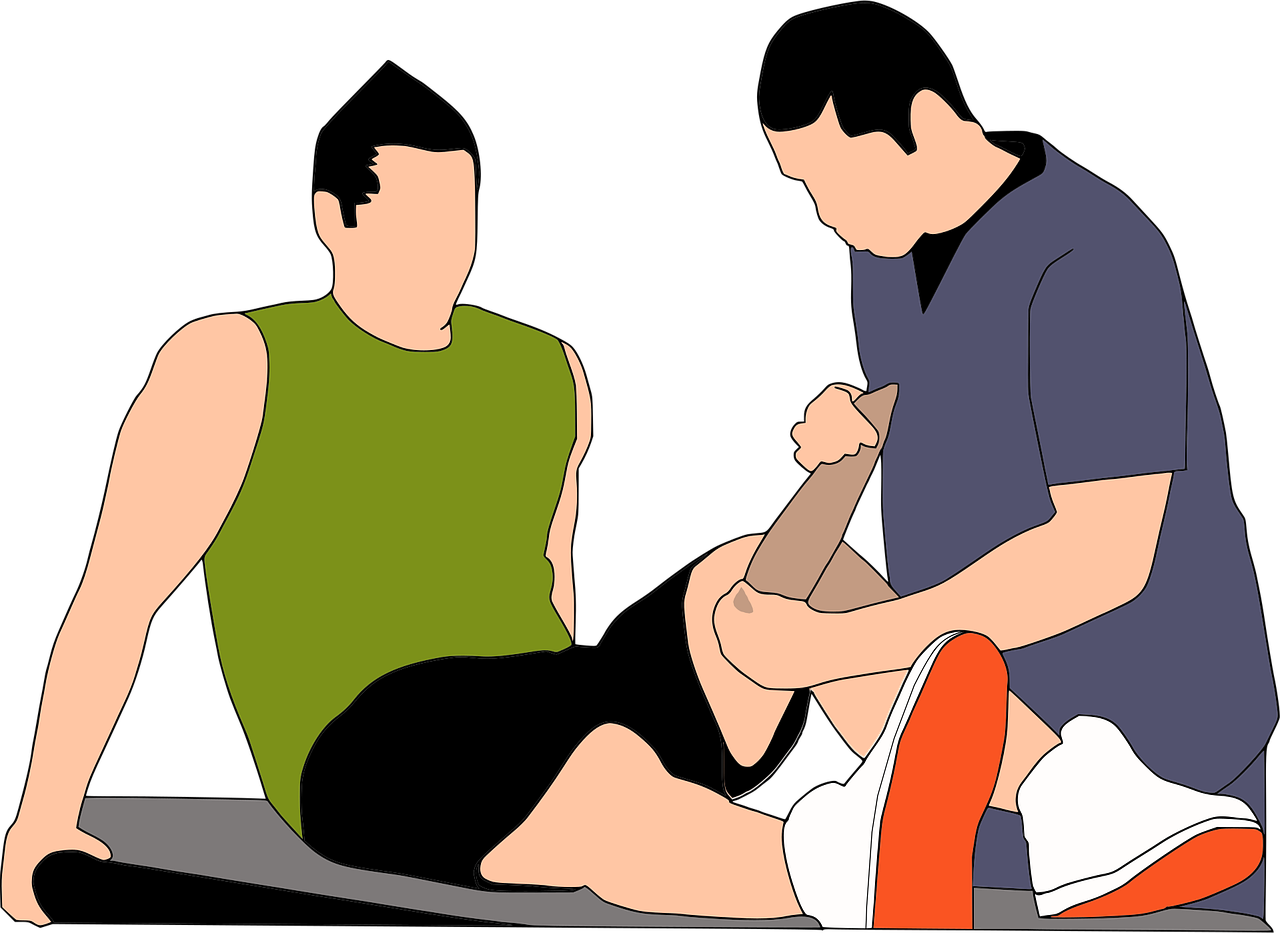
Manual therapy is another significant aspect of physical therapy aimed at enhancing joint stability. This hands-on approach involves specific techniques used to mobilize joints, stretch muscles, and improve flexibility. Skilled therapists may use techniques such as joint mobilization to gently move the joint within its range of motion, promoting better alignment and function. Soft tissue mobilization helps in releasing tension in muscles, allowing them to relax and function more efficiently. Additionally, therapists may employ myofascial release to fascial tissue, enhancing overall body mechanics. These techniques can be crucial for athletes recovering from injuries or those experiencing muscular tightness that could compromise joint stability. Further, the assessment of gait and biomechanics during manual therapy can identify potential imbalances contributing to injury risks. This comprehensive evaluation enables the therapist to craft a rehabilitation plan that addresses not only immediate concerns but also underlying issues. In this way, manual therapy serves as a foundation for an effective therapy regimen that enhances joint stability and ensures athletes are poised for optimal performance.
Incorporating agility training into a physical therapy regimen is imperative for athletes wanting to improve their joint stability. Agility incorporates quick, responsive movements that require coordination, balance, and precise muscle control. Physical therapists integrate agility drills such as lateral hops, cone drills, and shuttle runs into training programs to enhance athletes’ functional movement patterns. These drills simulate sport-specific demands, training muscles and joints to respond effectively during competition. By practicing these movements under controlled conditions, athletes can develop better muscle memory, which is valuable during high-stress scenarios in sports. Furthermore, agility training effectively promotes neuromuscular control, crucial for maintaining stability during abrupt changes in direction or intensity. Enhanced agility translates to a lower risk of injuries and improved overall performance on the field or court. Importantly, athletes are encouraged to progress through various difficulty levels, ensuring continuous challenges. Communication between the athlete and physical therapist is vital as subtleties in training can greatly impact performance outcomes. This essential layer of agility training bridges the gap between rehabilitation and peak athletic performance, creating resilient athletes.
The Role of Flexibility
Flexibility exercises are essential to support joint stability and overall athletic performance. Stretching regimens increase the range of motion in joints while reducing muscle tension. These outcomes are essential prerequisites for preventing injuries during sports activities, particularly in high-impact games. Physical therapists often emphasize the importance of dynamic stretching as part of the warm-up routine, as it prepares muscles and joints for physical demands. Common flexibility exercises may include dynamic leg swings, arm circles, and torso rotations, promoting enhanced flexibility in a functional context. On the other hand, static stretching plays a role in improving muscle length and joint mobility post-activity, aiding recovery and maintaining proper alignment. Building flexibility can also mitigate long-term issues, particularly in athletes engaged in repetitive movements. Incorporating both dynamic and static stretching into a training regimen provides the dual benefits of improved performance and injury prevention. Importantly, physical therapists monitor athletes’ flexibility levels regularly to ensure optimal outcomes, adjusting plans as necessary. Joint stability is achievable through a comprehensive approach that includes flexibility, strength, balance, and agility training.
A crucial aspect of enhancing joint stability is the incorporation of proprioception exercises. Proprioception refers to the body’s ability to sense its position and movement in space, which directly affects balance and coordination. Engaging in exercises that enhance proprioceptive abilities is vital for athletes, particularly those returning from injury. Physical therapists utilize a variety of tools such as balance boards or stability discs to challenge athletes’ equilibrium, improving their body awareness. By focusing on dynamic balance activities, athletes learn to engage the correct muscles to stabilize joints during rapid movements. Proprioceptive training often includes activities that mimic sport-specific challenges, making the exercises more relevant to the athlete’s performance needs. Addressing proprioception is crucial for preventing common injuries associated with sports, such as ankle sprains or knee issues. Athletes are encouraged to gradually increase the difficulty level of these exercises as they progress. This continued challenge not only aids in rehabilitation but also enhances performance capabilities. Overall, proprioception is an essential layer that complements strength and flexibility work, creating a multifaceted approach to joint stability.
Conclusion
In conclusion, enhancing joint stability through physical therapy significantly benefits athletes in various sports. Central themes include the importance of strength training, manual therapy, agility, flexibility, and proprioception training to create a well-rounded rehabilitation program. Each of these elements contributes to improved performance and injury prevention. Physical therapists actively collaborate with athletes, ensuring that their unique needs are met while systematically addressing stability concerns. These tailored programs are designed not only for recovery from injuries but also to improve future performance effectively. As athletes engage consistently in therapy regimens, they develop resilience in their joints and overall body mechanics. Adopting a proactive approach to physical therapy ultimately translates to long-term athletic success and health. Sports professionals are encouraged to prioritize joint stability throughout their training, as doing so supports longevity in their sports careers. Furthermore, embracing comprehensive approaches to physical therapy positively impacts athletes’ confidence levels as they return to competition. In this way, physical therapy emerges as a critical component in the athlete’s journey towards peak performance and sustained physical health.
By acknowledging physical therapy’s importance in enhancing joint stability, sports professionals pave the way for a healthier and more secure athletic experience. Minimizing injury risks and optimizing performance should be statewide goals across all sports disciplines, and this begins with effective therapy strategies. Overall, investing time and resources into physical therapy can yield significant results that enhance athletes’ health and performance.