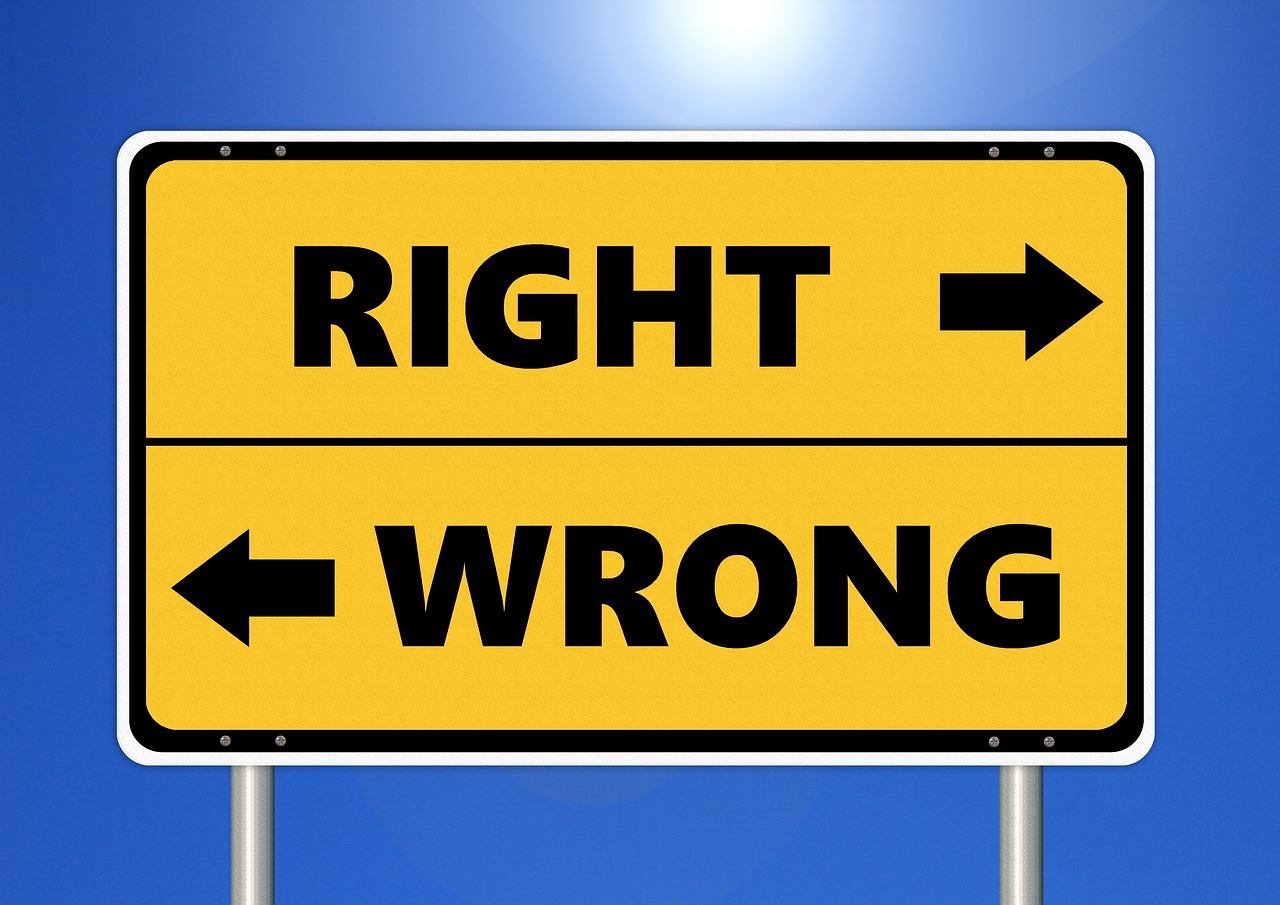

Fair Play and Truth in Sports Product Promotion
In today’s competitive sports market, ethical marketing has become a focal point for brands looking to maintain their integrity while promoting their products. The concept of fair play extends beyond the realm of the game, impacting how brands communicate and connect with their audience. Ethical marketing in sports involves a commitment to honesty, transparency, and fairness, which resonates deeply with consumers. When brands promote sports products, they should ensure that their campaigns do not mislead or exploit the emotional connection fans have with sports. Rather, they should present authentic narratives that celebrate the true spirit of the game. Misrepresentation can lead to consumer distrust and erode brand loyalty. Therefore, organizations must focus on developing promotional strategies that reflect genuine values and adhere to ethical standards. This fosters a culture of respect and honesty, crucial for the long-term success of any brand in the sports domain. By prioritizing truth in advertising, companies not only do the right thing ethically but also position themselves as leaders in a crowded marketplace, enhancing their reputation among discerning consumers.
The Impact of Misleading Marketing
When sports brands resort to misleading marketing tactics, the repercussions can be detrimental to their image and consumer relations. Misleading claims about a product’s performance or endorsements by athletes who do not actually use the product undermine the essential principles of fair play. Consumers often rely on these endorsements as authentic validations of the product’s quality and effectiveness. When discrepancies are discovered, backlash from the audience can be severe, leading to loss of trust and possible boycotts. It’s crucial for brands to craft their messaging accurately, ensuring that promotions reflect the actual benefits and limitations of their products. Furthermore, transparency about sponsorship deals and collaborations not only promotes ethical practices but also aligns with growing consumer expectations for honesty. The advent of social media adds another layer of scrutiny, as brands must be prepared for instant feedback from their audience. Engaging authentically allows brands to build a loyal community that shares their principles and supports their initiatives, reinforcing a standard of ethical marketing and fair play in sports promotions.
Another significant aspect of ethical marketing in the sports industry is the responsibility brands have toward young athletes. For impressionable audiences, advertisements and endorsements can set unrealistic standards and expectations regarding talent and success. It’s crucial for marketers to consider the impact of their promotions, especially on youth who may idolize athletes and aspire to achieve similar feats. Advertisements should focus on the journey of an athlete, highlighting hard work, perseverance, and the importance of ethics in achieving success. By showcasing these values, brands can contribute positively to youth development while fostering a culture of fair play. Collaborating with organizations that emphasize ethical practices can amplify these messages, providing a platform for promoting honesty and integrity in sports. This approach not only fulfills corporate social responsibility but also enhances brand equity in the eyes of consumers. Engaging in initiatives such as player mentorship programs or community sports outreach ensures a holistic impact, promoting healthy competition and ethical standards among aspiring athletes and their supporters, ultimately redefining marketing narratives in sports.
Advancing Transparency in Marketing
To advance transparency in marketing, brands must prioritize open communication with their audience regarding product information and marketing practices. This entails clearly communicating product capabilities and limitations, which fosters a sense of trust between brands and consumers. Utilizing platforms that allow for direct interaction with consumers can provide valuable feedback and reinforce a brand’s commitment to ethical practices. Additionally, engaging with consumers through educational content related to product usage, benefits, and tips can enhance their experience while promoting honesty. Creating informative materials, such as videos or articles, that highlight fair play principles in the context of sports marketing can transform how consumers perceive brands. Ethical engagement creates a community of informed supporters who advocate for fair play standards in sports. Furthermore, brands can collaborate with athletes who embody these values, serving as authentic spokespersons for ethical marketing. This alignment not only enhances brand reputation but also reinforces the significance of fair play in sports product promotions. In this digitally connected era, fostering transparency is essential for sustainability and building long-lasting relationships with consumers who demand integrity.
Another integral component of ethical marketing in sports is the integration of sustainability and social responsibility. Today’s consumers are increasingly concerned about the environmental and social impact of their purchases. Brands must adopt sustainable practices in their marketing strategies and product offerings to align with these evolving consumer values. This includes using eco-friendly materials, supporting fair labor practices, and contributing to community development initiatives. By highlighting these efforts in their promotions, brands can connect with consumers who prioritize ethical consumption. Moreover, demonstrating a commitment to sustainability fosters a sense of accountability, encouraging other organizations in the industry to follow suit. Transparency about the supply chain and production processes is vital, as consumers become more discerning about where their products originate. Collaborating with organizations that advocate for sustainability and ethical practices can enhance credibility and showcase a brand’s dedication to responsible marketing. This not only cultivates positive brand perception but also positions companies at the forefront of the movement towards sustainable sports marketing. Ultimately, integrating sustainability into marketing strategies signals to consumers that ethical considerations are a priority, ensuring a more holistic approach.
Championing Inclusion and Diversity
The aim of ethical marketing in sports also encompasses championing diversity and inclusion within campaigns. Representation matters significantly, and brands must ensure their marketing efforts reflect the diverse audience they serve. Inclusive marketing strategies demonstrate respect and recognition of varied experiences, fostering a sense of belonging among consumers. This approach involves showcasing athletes from different backgrounds, abilities, and gender identities, promoting equality and encouraging participation in sports. Brands can adopt inclusive campaign messaging and initiatives that highlight the importance of diversity in sports culture. Collaborating with organizations and athletes who actively promote inclusion creates a powerful synergy that magnifies the impact of ethical marketing. It is vital for brands to remain sensitive to social issues and make conscious efforts to engage underrepresented groups within the sports community. Through such initiatives, brands not only elevate their marketing efforts but also positively influence societal norms and expectations around diversity and equality. By becoming champions of inclusion, brands enhance their authenticity and align their values with those of forward-thinking consumers, creating a sustainable and supportive market landscape.
To summarize, ethical marketing in sports emphasizes the essence of fair play, truthfulness, transparency, sustainability, and inclusivity. Brands must integrate these principles into their product promotions to foster a relationship built on trust and authenticity with consumers. Misleading marketing tactics not only undermine consumer loyalty but also potential backlash can result in long-term reputational damage, ultimately harming the brand’s viability. By focusing on genuine promotion, brands can become leaders in not just the marketplace, but also in advancing ethical standards in sports marketing. Collaborations with diverse athletes and social initiatives linked to fair play enrich marketing narratives and reinforce a brand’s dedication to supporting inclusivity and transparency. Moving forward, ethical marketing should not be considered an optional addendum but as a foundational pillar of a brand’s strategy. By embracing these core values, brands can cultivate deeper connections with consumers and set new standards in sports marketing. The commitment to integrity and honesty will ensure long-term success, where fans resonate with the values promoted by the brands that support their favorite sports. In this way, sports marketing can indeed thrive by fostering a culture of fairness.
In the end, ethical marketing is essential for fostering a healthy sports environment that upholds the true spirit of competition. It enhances brand image while contributing positively to the athletic community at large. Adopting fair play principles is fundamental in establishing an industry that respects the values and aspirations of athletes and fans alike. Sports marketing should aim to inspire young athletes, ensuring they not only achieve their dreams but also embody the principles of honesty and integrity throughout their journeys. The future of sports marketing lies in the ethical practices brands choose to adopt in their promotional strategies. As consumer expectations evolve, so must the approaches to marketing in sports. Firms must stand firm in their commitment to transparency, sustainability, and inclusion, creating promotional content that resonates positively with consumers while reinforcing ethical values. By championing these practices, brands can lead the charge toward a more equitable and truthful sports environment, where every athlete has a fair chance to succeed. Ultimately, the convergence of genuine marketing efforts and the core tenets of sports will herald a new chapter in the industry, characterized by authentic engagement and shared values.