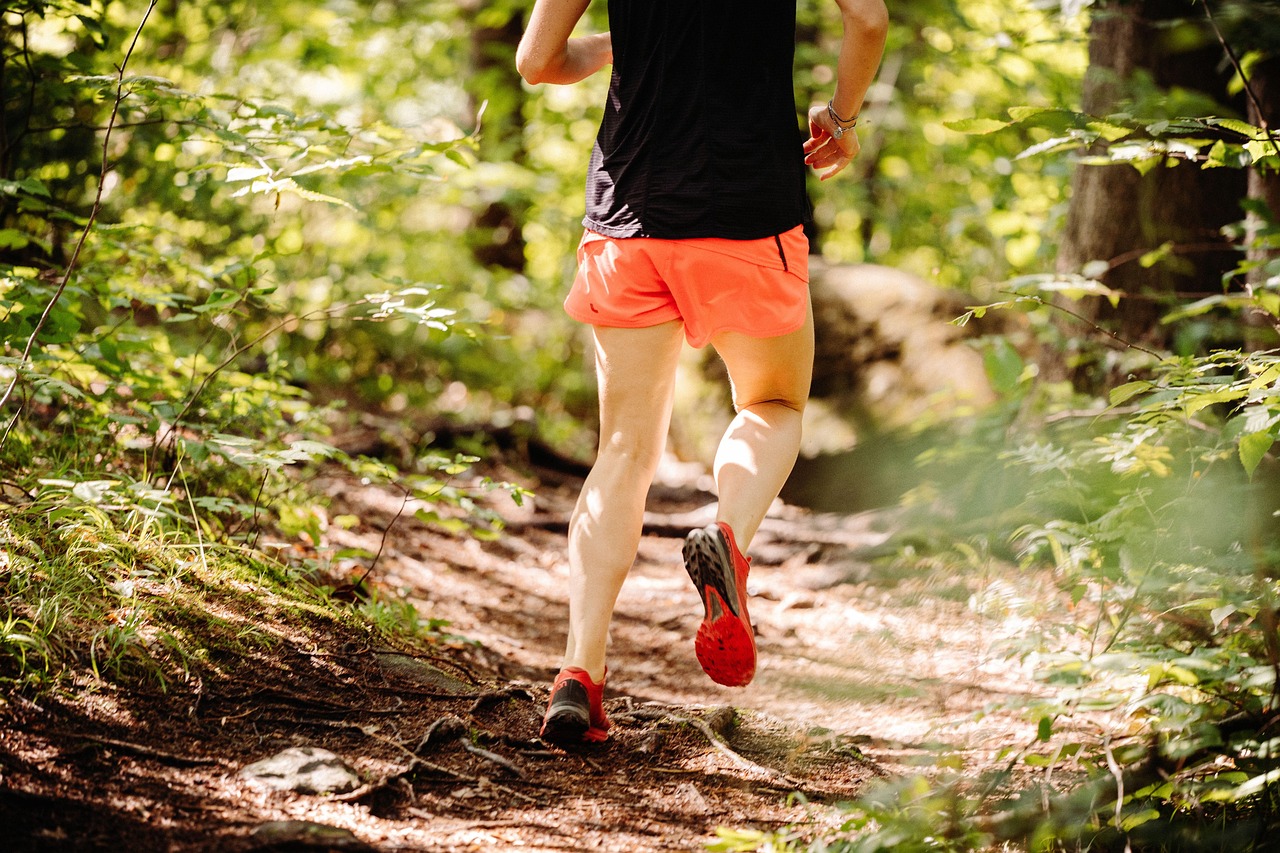

How to Train for Your First Trail Running Race
Preparing for your first trail running race can be both exciting and overwhelming. To ensure a smooth training process, you should start by setting a clear goal. Establish a realistic target based on your current fitness level and experience. Aim for a race that matches your capabilities, preferably one ranging from 5k to 10k. Incorporate specific trail runs into your weekly routine. These sessions will help you adapt to different terrains. Prioritize both distance and elevation to mimic race conditions. This helps develop crucial leg muscles and stamina. Don’t forget to include recovery days in your training schedule. Rest allows your body to heal and adapt, making it essential for improving overall performance. Pay close attention to your hydration and nutrition, as proper fueling will support your training efforts and race day performance. Gradually increase your mileage to avoid injury as you build endurance. Monitor your progress regularly and adjust your goals accordingly. Keep track of your workouts in a journal. This will help identify strengths and weaknesses. Ultimately, listen to your body throughout this journey.”},{
Choosing the Right Gear
Choosing the right gear is vital for trail running, as it directly impacts your safety and comfort during the race. Start with selecting a pair of quality trail running shoes. They should provide ample grip and support, enabling you to navigate rough terrains effectively. Many brands offer specialized shoes for trail runners. Once you’ve chosen suitable shoes, think about your clothing options. Dress in moisture-wicking fabrics to stay dry and comfortable throughout your run. Lightweight, breathable materials work best, especially in warm weather. Don’t forget to consider weather-appropriate gear. For instance, a light jacket can protect you from sudden downpours or chilly winds. Additionally, invest in essential accessories like a hydration pack or handheld water bottle to stay hydrated during long runs. A durable, lightweight backpack can carry your food, tools, and safety equipment. Consider a comfortable cap or visor to shield yourself from the sun, and always carry a smartphone or GPS device for emergencies. Finally, remember to wear sunglasses and sunscreen to protect sensitive skin and eyes. Overall, wearing the right gear not only enhances your performance but also ensures a successful trail running experience.
It’s essential to develop a balanced training plan that incorporates various elements like speed work, uphill training, and endurance runs. Speed workouts will improve your overall pace and cardiovascular fitness. Include intervals in your schedule, alternating between sprints and slower recovery periods. These bursts of intensity will enable you to build strength as well as agility. Uphill running or hill sprints specifically focus on developing leg muscles critical for navigating steep trails. Don’t shy away from seeking out higher elevation trails or utilizing treadmills with incline settings. Additionally, long runs should be performed weekly, gradually increasing your distance to enhance overall endurance. Also, include cross-training activities in your routine, such as cycling or swimming. These exercises will provide variety while preventing fatigue from repetitive movements. Ultimately, the key to a balanced training program is to tailor your approach to your specific needs and abilities. Remember to listen to your body throughout this process. If anything feels off, be sure to address it immediately. Adjust your plans to prevent injuries that could sidetrack you from your race goals. Consistency and adaptability will lead you to a successful trail running experience.
Nutrition for Trail Runners
Nutrition plays a crucial role in achieving optimal performance while training for your first trail running race. Focus on a balanced diet that includes healthy carbohydrates, proteins, and fats. Carbohydrates should make up the majority of your intake, providing the necessary fuel for both workouts and recovery. Choose complex options, such as whole grains, fruits, and vegetables. Also, incorporate lean proteins like chicken, fish, or legumes to aid in muscle recovery. Don’t overlook healthy fats, which are essential for overall health. They can be found in foods like nuts, avocados, and olive oil. Additionally, it’s critical to hydrate appropriately, as staying properly hydrated enhances your stamina and reduces the risk of injury. Plan your meals around your training schedule, ensuring you consume a meal rich in carbs at least two hours before your runs. Post-run meals should focus on carbs and proteins to facilitate recovery. Experiment with energy gels or bars during your longer runs to understand what works for your body. Experimentation ensures that you know how to fuel correctly on race day. Remember that everyone’s nutritional needs vary, so listen to your body for guidance.”},{
As race day approaches, it’s important to taper your training to allow your body to rest and recover. Tapering means gradually reducing your workout intensity and mileage as race day nears. Start gradually decreasing your runs about two to three weeks before the event, allowing your muscles to rebuild and replenish energy stores. This technique prevents fatigue on race day, helping you perform at your best. Stick to light workouts and keep your legs fresh by enjoying easy trail runs during this taping phase. On the night before your race, prioritize sleep for maximum energy. Go to bed early and set a relaxed evening routine to ensure restful sleep. The meals you consume leading up to the race matter significantly, too. Focus on consuming carbohydrates the night before to boost your glycogen stores. Avoid trying new foods that may upset your stomach. On race day, eat a light breakfast and stay hydrated. Arrive at the venue early to familiarize yourself with the layout and feel prepared. Stay calm and practice deep breathing to ease anxiety. Trust your training and enjoy the experience, as conquering your first trail running race will be incredibly rewarding.”},{
During the Race
During the race itself, remember to pace yourself and manage your energy wisely. The excitement of race day may tempt you to start off too fast, which could lead to exhaustion later on. Focus on maintaining a steady and sustainable pace throughout the race. As you navigate challenging terrain, practice mindful running, scanning the trail ahead for obstacles. Your foot placement will be critical for both safety and efficiency—in rocky or muddy sections, be cautious. Navigate steep inclines by keeping a consistent rhythm and short strides for better balance. Drink regularly from hydration stations, especially on warmer days, to maintain your energy and hydration levels. Don’t forget to consume small snacks or gels when needed. Listen to your body; if you feel fatigue setting in, adjust your effort level accordingly. Remember to embrace the beauty of nature during your race. Trail running is not merely about finishing but also about connecting with the experience. Lastly, focus on both the present moment and your overall goal. With proper training and a positive mindset, you will successfully complete your trail running race and pave the way for future goals.
After completing your first trail running race, take a moment to celebrate your accomplishment. Completing a race is a significant milestone in your athletic journey. Reflect on your experiences during the race, identifying what went well and what could be improved upon for future events. Use this assessment to adjust your training regimen moving forward. Don’t forget the importance of recovery post-race. Your body has endured a lot; thus, it’s crucial to allow your muscles adequate time to heal and recuperate. Engage in low-impact activities like walking or gentle yoga to facilitate recovery. Good nutrition is equally essential during this phase, focusing on replenishing lost nutrients and maintaining hydration. Consider seeking out other trail running events to keep your motivation alive, challenging yourself with different distances or terrains. Many runners find joy in setting new personal goals, whether it’s improving time or increasing distance. Remember to check in regularly with your body and adjust your training focus accordingly. Ultimately, establishing relationships within the running community will enrich your experiences. Sharing insights with fellow runners can motivate and inspire continued growth and enthusiastic participation in future events.
Be sure to document your trail running journey for further reflection. Keeping a training journal allows you to track your progress, enabling you to see how far you’ve come. Write down key aspects of your training, including workouts, nutrition, and race experiences, which will help inform your future preparations. Share your journey with others through social media or community platforms. Engaging with fellow trail runners can provide accountability and motivation. Don’t shy away from asking for advice or joining local running groups. These environments foster great camaraderie and encourage new goals. Staying connected with the trail running community enhances motivation, providing a support network. This network may invite you to group runs, which could introduce you to various trails in your area. Gradually build your experience and confidence as you progress. Therefore, keep pushing yourself to improve through participation in local races and continue honing your skills and endurance. Pursue additional trail running events to further broaden your skills and network. Ultimately, understanding your personal journey will empower your growth as a trail runner, serving as a reminder of your dedication and passion toward this exciting sport.