
Safety Guidelines for Kids’ Fitness Camps
Safety should always be the highest priority in kids’ fitness camps. Organizers must ensure that all activities are conducted under safe conditions. This includes having trained staff who know how to prevent and respond to injuries. Additionally, camps must evaluate the health conditions of all participating children beforehand. A medical checklist should be employed to identify any pre-existing conditions that may affect participation in various activities. Emergency contact details should be readily available for all participants. A thorough understanding of proper first aid procedures should also be mandatory for all staff. Furthermore, the camp should have easy access to medical facilities in case of emergencies. Each participant should wear appropriate clothing and footwear to ensure comfort and minimize injury risks. Activities should be designed to promote safety, including suitable equipment and adequate supervising staff to monitor risks. Camps should have clear communication on rules and guidelines to all participants, ensuring understanding and compliance at all times. Finally, providing a safe environment cultivates positive experiences, encouraging kids to enjoy fitness activities in a secure and healthy manner while promoting lifelong fitness habits.
Equipment and Facility Safety
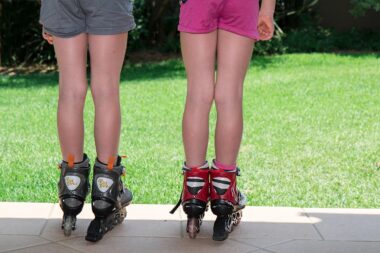
Ensuring safety in the physical environment is crucial for kids’ fitness camps. All equipment utilized during activities should be age-appropriate and regularly maintained to prevent accidents. Inspecting equipment for wear and tear before each use helps eliminate potential hazards that could injure participants. Camp organizers should have a well-defined process to handle equipment malfunctions, including timely repair or replacement of damaged items. Facilities must be adequately supervised, with clear delineations for safe play areas and restricted zones. This prevents children from wandering into areas where they may face hazards. Protective gear, such as helmets, knee pads, and proper footwear, should always be worn during specific activities to enhance participant safety. Moreover, emergency exits should be clearly marked and accessible to ensure quick evacuation if necessary. Adequate lighting is also essential in all areas used for fitness activities, as it contributes significantly to preventing accidents. Staff should receive training on how to manage and respond to safety-related issues effectively. A focus on creating a secure physical environment allows kids to enjoy activities while minimizing risks associated with participation in fitness programs.
In addition to equipment and facilities, proper supervision is integral to ensuring safety at kids’ fitness camps. All activities should have sufficient staff members present to monitor participants effectively, thereby reducing the risk of accidents occurring. Adult-to-child ratios must adhere to established guidelines established by regulatory organizations to ensure that every child is adequately supervised at all times. Staff should possess the skills needed to recognize signs of fatigue or distress among participants, allowing for timely intervention if necessary. Having trained personnel with first-aid certification on-site can make a significant difference in the event of an injury. Communicating rules and expectations to both staff and participants contributes to a safe atmosphere, as clear guidelines prevent misunderstandings that could lead to dangerous situations. Additionally, regular drills or practice sessions can keep participants aware of how to react during emergencies. Engaging parents or guardians in safety discussions can also emphasize the importance of safety and encourage kids to communicate any discomfort or concerns. By prioritizing supervision and communication, fitness camps can create a secure space where children can thrive in their physical endeavors.
Health and Wellness Considerations
In addition to physical safety, health and wellness considerations play a pivotal role in kids’ fitness camps. Nutrition is a key factor that directly influences a child’s performance and overall well-being during these activities. Therefore, organizing camps should include healthy meal options and snacks to keep energy levels sustained throughout each day. It is vital to work with nutritionists or dieticians when planning menus to ensure they cater to kids’ dietary needs. Hydration should also be addressed comprehensively, emphasizing the importance of water consumption before, during, and after activities. Educating kids on recognizing their body’s needs promotes healthy habits beyond the camp experience. Regular health screenings, including assessments of physical fitness and health conditions, should be incorporated to ensure children are ready for participation. Mental health should also be acknowledged, as the fitness environment must support positive social interactions and confidence-building to enhance overall enjoyment. Regular breaks and downtime can mitigate feelings of overwhelm. Addressing these health and wellness elements creates a holistic environment, benefiting both the physical and emotional growth of all participants during the camp experience.
Incorporating feedback mechanisms into kids’ fitness camps enhances safety and overall experiences. Feedback forms can be filled out by participants and parents to evaluate various aspects of the camp, including safety, staff performance, and overall enjoyment. Regular reviews allow organizers to identify and address any safety concerns promptly. Engaging children in discussions about their camp experiences helps them articulate their needs and perceptions of safety during activities. Workshops that encourage children to voice their opinions and suggestions build a culture of safety and trust within the camp. Taking feedback seriously prompts continuous improvement and responsiveness to participants’ needs, fostering a more positive environment where parents can feel confident about their children’s safety. Further, post-camp evaluations are essential in determining the program’s effectiveness and areas needing enhancement. Staff meetings should be routinely held to review participant feedback and discuss strategies for implementing suggested changes effectively. A strong commitment to listening to feedback underscores the importance of safety and shapes the future of fitness programming for kids, ensuring that their experiences are both secure and enjoyable while promoting sustained engagement in physical activities.
Emergency Preparedness and Response
Emergency preparedness is vital for ensuring safety in kids’ fitness camps. Organizers must craft comprehensive emergency response plans that encompass various potential situations, such as injuries, severe weather, or other unexpected events. These plans should be communicated to all staff members and participants on the first day of camp to ensure everyone is aware of procedures. Conducting drills, such as fire or evacuation to meet local safety standards, prepares both children and staff to respond calmly and effectively during real emergencies. First aid kits must be readily available and easily accessible, stocked with supplies needed to handle common injuries and emergencies. Staff should receive training not only in first aid techniques but also in how to remain composed during crises, thereby teaching children to stay calm as well. Create designated meeting points where participants can regroup in emergencies ensures that no child is left behind or unaccounted for in such situations. By preparing for emergencies effectively, camps can provide families with a peace of mind regarding their children’s safety while offering a positive atmosphere for fun and fitness.
Camps must also prioritize ongoing safety education for both staff and participants. Providing workshops and seminars on various safety topics equips everyone with essential knowledge and resources, allowing for a shared responsibility for safety. Topics may include emergency response, nutrition, body awareness, and injury prevention strategies, all tailored to suit the age groups involved. Encouraging a culture of learning about safety fosters an environment where everyone contributes to maintaining a secure atmosphere while enjoying fitness activities together. Incorporating fun, interactive learning methods keeps children engaged while they gain vital information about their well-being. Parents can also be included in these educational discussions, allowing for a supportive community to develop around safety. Feedback after each workshop helps facilitators improve future sessions and address any participants’ specific interests. Participants who are educated about safety are more likely to take ownership of their experiences and communicate any concerns. This initiative not only enhances safety levels but also promotes a greater appreciation for the significance of wellness and healthy exercise among children of all backgrounds.
Conclusion
In conclusion, establishing and maintaining safety guidelines at kids’ fitness camps is paramount. Prioritizing well-structured protocols for ensuring safety helps create an environment where children can thrive physically and psychologically. Proper equipment handling, facility inspections, and adult supervision significantly reduce risks of accidents. Moreover, addressing health and wellness considerations reinforces the importance of nutrition and hydration, which contributes to an overall positive camp experience. Engaging participants and their families in safety discussions fosters shared responsibility and encourages a culture of feedback for continuous improvement. Additionally, thorough emergency preparedness plans and ongoing safety education ensure that staff members and participants are ready to respond effectively to unexpected situations. By developing comprehensive safety measures, camps invest in the future of every child involved, allowing them to grow, learn, and enjoy fitness activities in a secure setting. Emphasizing the significance of safety not only enhances kids’ current experiences but also lays the groundwork for a lifelong commitment to healthy living. Ultimately, successful kids’ fitness camps can thrive only in environments that prioritize the well-being of every participant and engage all stakeholders in promoting safety.