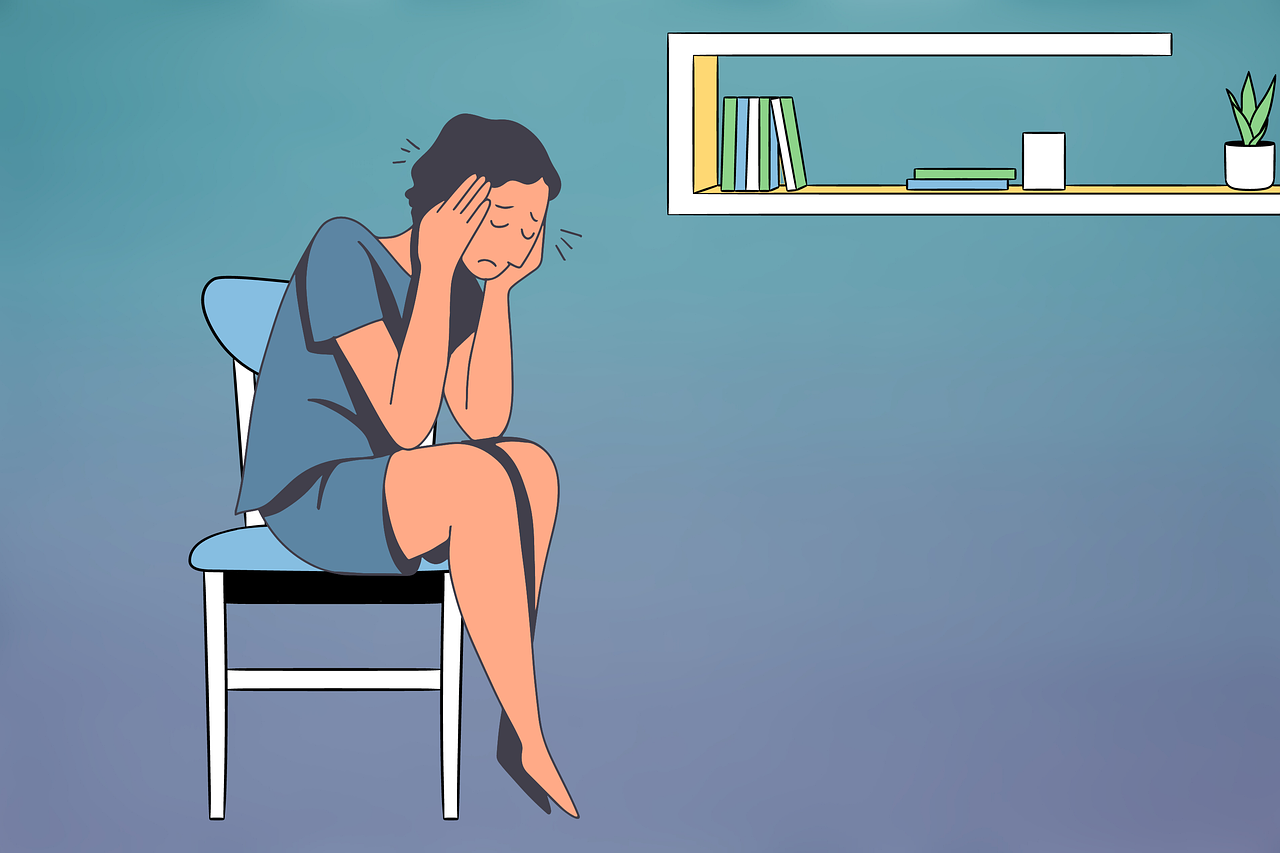

The Link Between Sitting Posture and Headache Prevention
Maintaining the correct sitting posture is essential in preventing headaches, as improper alignment can lead to significant discomfort. Sitting for extended periods, particularly at a desk, can strain the neck, shoulders, and back. This strain may contribute to tension headaches, which comprise a common type of headache that many individuals experience. To alleviate these issues, it is crucial to evaluate how you sit throughout your workday or when engaged in leisure activities. Regular breaks and dynamic sitting can help reestablish proper alignment. The most effective sitting posture involves a straight back, shoulders relaxed but not hunched, and feet flat on the floor or supported. These adjustments may seem small, but they can lead to considerable changes in overall well-being and discomfort levels. Ergonomic chairs and desk setups can also promote healthier sitting habits. Additionally, practicing mindfulness about posture and investing time in exercises to strengthen core muscles can contribute significantly to headache prevention strategies. Establishing proper habits now can have lasting benefits for headache-free living.
Understanding the relationship between sitting posture and headaches requires examining the mechanics of our bodies and how they interact with workspaces. If your workstation creates undue stress on the body, it inevitably complicates how the neck and head feel. Slouching often leads to misalignment in the cervical spine, causing pain that radiates across the head and shoulders. To combat this, use ergonomic office equipment, such as adjustable chairs or standing desks, designed to accommodate body shape and size. An ergonomic chair supports the lower back while encouraging an upright posture, which distributes weight evenly. Hence, the muscles can work efficiently without excessive strain, alleviating headache triggers. Furthermore, consider the screen height of your computer or device, as it should be at eye level to maintain a neutral neck position. Ideally, the top of the screen should align with your eyesight. Incorporating breaks to stretch or stand can also enhance circulation and reduce the likelihood of headaches. Ultimately, effective ergonomic adjustments are a fundamental part of headache prevention strategies, emphasizing the importance of correct sitting posture.
Moreover, awareness of how stress and poor posture can exacerbate headaches is equally important. Many individuals may not realize that stress and tension lead to tightness in the shoulders and neck, resulting in painful headaches. One practical solution lies in establishing a dedicated relaxation routine that incorporates breathing exercises and mindfulness. This practice can help significantly alleviate accumulated tension within the body, particularly in high-stress work environments. Creating a workspace that promotes calmness, including plants or soothing colors, can also contribute positively to your psychological well-being. Breaking up long periods of sitting with gentle neck and shoulder stretches reduces stiffness, leading to a better overall posture. Working on posture throughout the day can help individuals notice tightness before it escalates into a headache. Conversely, frequently adjusting one’s sitting position not only promotes ergonomic alignment but also enhances overall productivity. Regularly changing movements encourages better blood flow and keeps energy levels up, contributing to an environment where headaches are less likely to occur. Emphasizing relaxation and awareness makes a big difference when it comes to preventing headaches associated with poor posture.
Posture Exercises for Headache Relief
Incorporating specific exercises into your daily routine can greatly enhance posture and help mitigate headaches. Simple stretches for the neck and upper back can relieve tightness and improve circulation. One effective stretch is the neck tilt, where you gently tilt your head toward one shoulder, feeling a stretch along the opposite side of your neck. Hold for a few seconds on each side and repeat several times. Another helpful exercise is the chin tuck, which helps realign the cervical spine. To perform this, pull your chin back towards your neck while maintaining a straight posture, holding for a few seconds. These exercises can be particularly beneficial during breaks at work, reminding you to focus on your posture while preventing discomfort. Furthermore, core strengthening exercises like planks and bridges enhance overall stability and alleviate strain on the spine throughout the day. Integrating these exercises into daily activities encourages a proactive approach towards managing posture. As individuals grow aware of their bodies and how they feel throughout sitting, they may find great relief from tension headaches. Consistency is key to successful outcomes.
Also, remaining mindful of your sitting position can provide ongoing benefits beyond reducing headaches. Poor posture can negatively affect productivity and lead to potential discomfort later in life. Regular training of healthy postural habits fosters better spinal alignment and functional movement patterns. Cultivating awareness will help reshape routines that may currently cause headaches or discomfort due to heat stress or tension. Focus on adjusting your chair height, desk position, and the way you interact with your technology. Taking note of cues when your body feels fatigued can guide you to sit correctly. Additionally, opting for ergonomic furniture that supports a proper sitting posture can reduce strain during long seated periods. Good posture allows your body to thrive—supporting efficient internal processes like digestion and circulation. Moreover, individuals suffering from underlying conditions like migraines can experience more manageable periods by adopting improved posture. Emphasizing the correct setup of your work environment and being attuned to your body will not only help in headache prevention but also enhance your quality of life overall.
The Role of Workplace Ergonomics
Investing in workplace ergonomics significantly influences the chances of experiencing headaches. Organizations now recognize the importance of creating an ergonomic environment that fosters employee well-being, efficiency, and productivity. Implementing ergonomic assessments and providing employees with resources such as chairs that promote proper seating positions can lead to substantial long-term benefits. Enhanced ergonomics reduce not only headaches but also minimize absenteeism related to discomfort. This level of care encourages a happier workforce leading to increased productivity. Rethinking workspace layout, such as adjusting the distances between desks and suitable lighting options, can also optimize the ergonomics of an office space. Effective lighting can diminish eye strain resulting from poor visibility and monitor glare. Moreover, companies can offer regular workshops on proper posture and body mechanics—training employees to adopt healthier habits, mitigating the likelihood of future headaches. This proactive approach is invaluable, reinforcing how critical a healthy working culture is. The efforts made towards workplace ergonomics promote happier and healthier employees, which translates to enhanced job satisfaction and improved team morale, highlighting the importance of correct sitting posture for all.
Ultimately, understanding the link between sitting posture and headache prevention opens doors to improved health. Regularly committing to sleeping, eating and exercising habits, alongside proper posture, can lead to a significant reduction in headache occurrences. Increased awareness of body alignment is essential for ensuring that both work and leisure time are comfortable. Staying active between long periods of sitting is also crucial, as physical activity helps maintain flexibility and core strength. Adopting simple stretches throughout the day and promoting a habit of proper alignment is advantageous for long-term well-being. Furthermore, sharing this information with others can foster a culture of health and awareness among peers, ensuring conversations regarding posture become common. By prioritizing correct sitting posture, individuals will not only benefit personally but contribute positively to their environments. Reducing headaches through ergonomic practices and awareness can significantly enhance overall quality of life. Commit to making changes today, focus on integrating better postural habits into your daily routine, and enjoy the rewards of a headache-free lifestyle for yourself and those around you.
Overall, keeping a link between correct sitting posture and headache prevention highlights an important aspect of health. By staying engaged and informed, you can manage discomfort long-term. Enhance your work experience and daily life through these corrections and practices to better your well-being in the end.