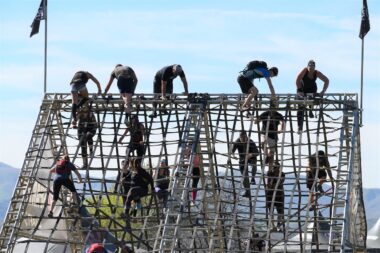

The Role of Flexibility in Obstacle Course Racing Success
Obstacle course racing (OCR) is a demanding sport that challenges athletes both physically and mentally. One of the key components that can greatly influence performance in OCR is flexibility. Flexibility enhances an athlete’s range of motion, which is crucial for overcoming obstacles such as walls and ropes. Being flexible allows athletes to maneuver their bodies more gracefully through challenging courses. Moreover, flexibility reduces the risk of injuries by allowing the body to adapt to various movements and strains that occur during races. Incorporating flexibility training into one’s routine can lead to better overall performance. Activities like yoga and dynamic stretching are excellent for improving flexibility. These exercises warm up the muscles and prepare them for rigorous activity. Additionally, they boost circulation, ensuring that oxygen is delivered efficiently to the muscles. This preparation can enhance endurance and recovery during competitions. As racers tackle different challenges, flexibility also helps in making quick adaptations when faced with unexpected obstacles. The culmination of these benefits illustrates why flexibility is vital for OCR success and overall athletic performance.
To excel in obstacle course racing, athletes must embrace a well-rounded training regimen that includes flexibility. Training methods vary widely, but higher levels of flexibility can lead to more efficient movement through courses. When an athlete can stretch and bend more freely, every leap, climb, and run becomes smoother and more controlled. This explosive energy contributes to faster navigation through challenges. Flexibility also aids in balance, pivotal for technical sections of any obstacle course. For example, on narrow beams or ropes, a flexible body can adjust quickly to maintain stability. Such adaptability can mean the difference between completing an obstacle successfully or falling. Strengthening the muscles while promoting flexibility provides deeper gains in functional fitness. Athletes should focus on areas susceptible to tightness such as hips, hamstrings, and shoulders. Additionally, they can benefit from consulting professionals who specialize in flexibility training. Experience and knowledge from a coach can lead to tailored stretching routines that fit individual needs. Maintaining proper nutrition also supports flexibility and recovery, helping body tissues remain pliable. By considering these factors, endurance and strength will undoubtedly improve as racers prepare for competitions.
Importance of Dynamic Stretching
Dynamic stretching has proven highly effective in increasing flexibility, invaluable for OCR. Unlike static stretching, which involves holding stretches, dynamic stretching uses movements that enhance range of motion while warming up the body. Movements like leg swings, arm circles, and torso twists can increase blood flow to muscles, preparing them for the rigors of racing. Many OCR athletes incorporate dynamic stretches into their pre-race routines to boost performance levels. The benefits extend beyond warming up; dynamic stretches also improve coordination, which can be crucial as racers navigate intricate sections of courses. Improved coordination, combined with flexibility, allows athletes to execute movements with precision and speed. This combination aids them in overcoming unexpected challenges during the race. In contrast, those who neglect this aspect of training may find themselves struggling with balance and execution on obstacles. Integrating dynamic stretching consistently into training routines can shape better athletes overall. It’s not just about competing; it’s about enjoying the journey and enhancing all aspects of performance. Ultimately, flexibility must be viewed as a complement to strength and endurance for an athlete’s well-rounded development.
Another vital facet of flexibility in OCR is injury prevention. Muscles that are flexible tend to withstand strain better than those that are rigid and tight. This characteristic minimizes the likelihood of common injuries such as sprains or strains that can disrupt training cycles. Athletes should prioritize flexibility as part of their injury prevention strategy, allowing them to maintain consistent training schedules. Furthermore, when athletes train regularly without injury setbacks, they can better optimize their performance. The use of foam rollers and massage therapy can also assist in increasing flexibility while aiding recovery. Self-care techniques not only promote enhanced flexibility but also contribute to relaxation and overall mental well-being. Mental toughness is just as significant in OCR, as racers face overwhelming challenges. When athletes feel good physically, they are more prepared psychologically to tackle demanding courses. Incorporating rest days into training regimens further allows bodies to recover and rejuvenate. All these practices combined showcase why maintaining flexibility is essential for an athlete’s longevity in this intense sport. With greater flexibility, they can achieve their OCR goals while mitigating the risk of injury.
Flexibility and Speed
Flexibility plays a critical role in enhancing speed, particularly in obstacle course racing. Speed is an essential asset for racers, allowing them to dash between challenges and maintain momentum throughout a race. When an athlete possesses optimal flexibility, they can generate more power in their strides. The increased range of motion allows their muscles to engage more effectively during running. Consequently, this translates into improved speed, especially when moving quickly over uneven terrain or navigating obstacles. Research indicates that more flexible individuals tend to exhibit superior sprinting capabilities, making it crucial for OCR athletes to prioritize flexibility training. Properly warmed-up and flexible muscles can accelerate quickly when needed, providing an edge during competitive events. Engaging in proper stretching techniques before races can maximize muscle performance, enhancing endurance and speed. Tempo runs serve as another example of training that boosts both flexibility and speed. These workouts teach runners to maintain high speed while constantly adapting their stride, creating a flexible yet powerful running technique. Blending these principles together highlights how flexibility and speed are tightly linked in achieving OCR excellence.
As obstacle course racing continues to grow as a competitive sport, flexibility will remain a recurrent theme in training and preparation. Athletes who appreciate this connection can undoubtedly improve their chances of success in races. The benefits of being flexible go beyond mere performance; they extend to overall physical and mental health. By fostering flexibility, athletes enhance their overall quality of life. Consequently, this positive effect translates to improved racing performances. Building a strong foundation in flexibility allows athletes to approach courses with confidence and ease, ready to tackle any challenge. Furthermore, race organizers emphasize the significance of agility and flexibility within challenges, often incorporating hurdles that require agility and balance to conquer. This evolution within the sport highlights why maintaining flexibility is paramount. In addition, finding a community within OCR competitions allows athletes to share strategies and experiences, further enriching their training. Engaging with fellow racers can lead to discovering new flexibility exercises and stretches. Building relationships within the OCR community fosters growth and knowledge sharing. By embracing flexibility, athletes will continue to evolve in their racing capabilities and enjoy the journey.
Conclusion: Combining Elements for Success
Successfully navigating an obstacle course depends heavily on the optimal integration of flexibility with strength and stamina training. The athlete who achieves the right blend of these elements will likely excel on the course. Flexibility is not just an isolated concept but instead intertwines with various aspects of performance. As athletes work to improve their physical fitness, enhancing flexibility should always be a primary goal. The comprehensive approach to training also requires continuous evaluation and adaptation of techniques that complement the evolving needs of the athlete. Staying updated on flexibility training guides and contemporary methods can yield extraordinary results. Most importantly, athletes should remain focused on their flexibility development as a core aspect of their training. Challenges may arise, but persistence will provide resilience. Through continuous practice, the seamless execution of challenges during races can be transformed into accomplishments rather than obstacles. In the vibrant sport of obstacle course racing, ensuring flexibility is a part of the bigger picture is vital. By staying dedicated and passionate about flexibility, athletes will experience tremendous success while enjoying the exhilarating world of OCR.