
Benefits of Pilates for Post-Workout Recovery
Pilates has emerged as a popular form of exercise, especially renowned for its potential benefits in enhancing post-workout recovery. It promotes flexibility, balance, and strength, making it an excellent choice for individuals engaging in various athletic activities. By incorporating Pilates into a recovery routine, athletes can experience improved muscle elasticity, which aids in quicker recovery after intense workouts. Through targeted breathing techniques, Pilates also helps to increase oxygen flow, contributing to muscle rejuvenation. This practice minimizes muscle soreness, allowing athletes to return to their training regimens sooner. Moreover, the focus on core stabilization in Pilates is instrumental in improving alignment and posture, which further aids in injury prevention. The rhythmic flow of Pilates can also promote relaxation and mental clarity, providing a much-needed reset for the body and mind after strenuous activities. Many athletes report enhanced overall well-being when they incorporate Pilates into their routines, emphasizing its holistic benefits. Ultimately, Pilates serves as a complementary method, not only enhancing recovery but also fostering a better understanding of body mechanics and movement efficiency, which are crucial for peak athletic performance.
One of the primary reasons athletes choose Pilates for recovery is its focus on low-impact movements. Unlike high-impact exercises, Pilates mitigates stress on the joints, which is particularly beneficial during the recovery phase. The gentle yet effective exercises help in alleviating tightness and discomfort often experienced after strenuous sessions. By engaging in controlled movements, athletes can conduct full-range exercises that enhance muscular endurance without straining their bodies. The diverse repertoire of Pilates exercises allows for customization, ensuring that each athlete can modify their routine according to their recovery needs. Furthermore, Pilates emphasizes mindful movement, encouraging a closer connection between physical and mental states. This mind-body connection can be extraordinarily therapeutic, facilitating not only physical recovery but also mental relaxation. Integrating restorative Pilates sessions can promote better sleep patterns and reduced anxiety levels, which can be significant hurdles during recovery. Additionally, because Pilates can be performed anywhere—from studios to home environments—its accessibility makes it an appealing choice for busy athletes. This adaptability encourages consistent practice, which is vital for achieving optimal recovery outcomes and reinforcing its role in an athlete’s performance regimen.
The principles of Pilates are rooted in enhancing overall body awareness, which is essential during recovery. An increased awareness of body movements helps athletes better understand how to modify training techniques to prevent future injuries. With its emphasis on controlled and precise movements, Pilates encourages engagement of neglected muscle groups, promoting balanced muscle development. This aspect is crucial in ensuring that athletes do not overcompensate with stronger muscles while ignoring weaker ones. Enhancing balance and proprioception through Pilates can significantly contribute to athletic performance, combining recovery with strength training principles. Additionally, Pilates encourages the practice of breath control, which supports better oxygenation of muscles during and post-exercise. This breath coordination technique helps in calming the nervous system, aiding in mental recovery as well. Athletes often experience emotional stress due to performance pressures; therefore, the mental focus required for Pilates can serve as a valuable tool in stress management. In turn, this has a cascading effect on performance levels as athletes are better equipped to handle the psychological demands of their sport. Ultimately, incorporating Pilates into recovery routines establishes a comprehensive approach that addresses both physical and psychological needs of athletes.
Enhancing Flexibility and Mobility
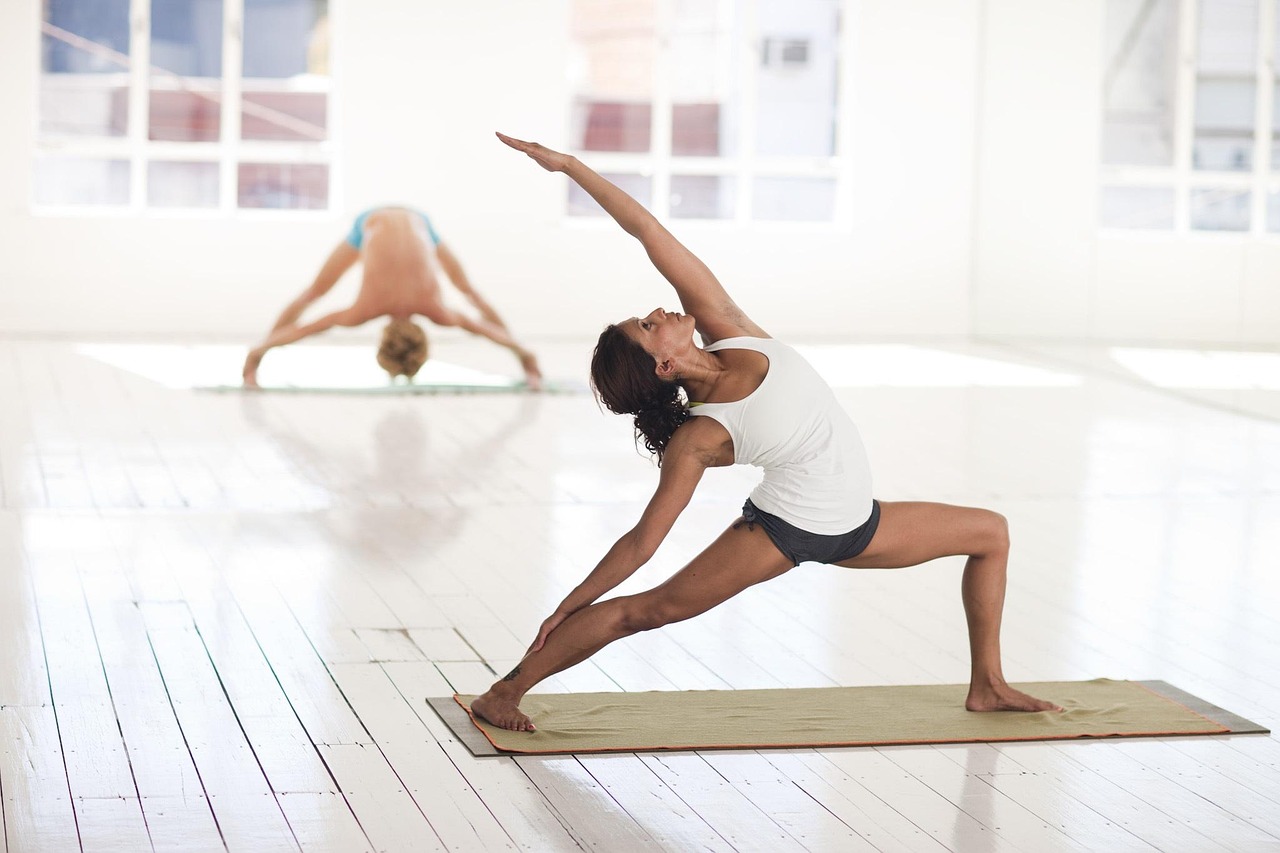
The practice of Pilates is deeply intertwined with enhancing flexibility and mobility, which are critical components of recovery post-exercise. Athletes often face restrictions in movement after rigorous physical activity, and Pilates serves to combat these limitations by stretching tight muscles and improving range of motion. By focusing on controlled and deliberate movements, Pilates aids muscles in reaching their optimal length, which is essential for rehabilitation. This adaptability is particularly beneficial when addressing common issues such as muscle tightness and stiffness observed post-workout. Moreover, enhanced flexibility contributes positively to athletic performance, allowing for more fluid movements, preventing strains, and optimizing muscle functioning during workouts. Furthermore, individuals often struggle to maintain their flexibility as they age or with increased training intensity; thus, incorporating Pilates can greatly benefit both younger and older athletes. As flexibility improves, so does the overall athletic skill set, providing a significant edge in various sports. Additionally, Pilates exercises can be tailored for individual needs, accommodating various fitness levels, making this practice widely applicable. Consistently incorporating Pilates into a recovery regimen not only enhances mobility but cultivates lifelong habits that promote overall fitness and well-being.
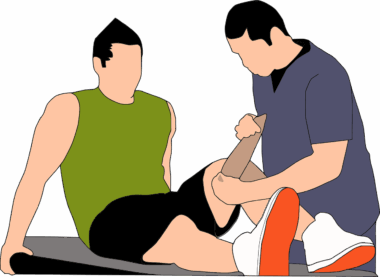
Another significant benefit of Pilates is its potential to assist in injury rehabilitation. Many athletes grapple with injuries stemming from overuse or improper biomechanics. Pilates offers specific exercises that help rebuild strength, flexibility, and balance in injured areas. Physical therapists often incorporate Pilates principles into their rehabilitation programs, recognizing the efficacy of these movements in facilitating recovery. By strengthening the core and stabilizing muscles, athletes can regain confidence in their movement patterns, which is crucial after an injury. Additionally, this process can foster mindfulness around body awareness, empowering athletes to recognize when they’re overexerting themselves. Often, injuries recur when proper precautions aren’t taken; hence, Pilates encourages athletes to focus on their bodies’ signals. The importance of a strong pelvic floor, for example, cannot be overlooked. Pilates exercises often target these muscles, directly contributing to overall stability and strength. Moreover, engaging in Pilates during the recovery phase can provide crucial support in transitioning back to higher intensity workouts gradually and safely. In this way, Pilates contributes significantly not just to physical recovery but also to emotional resilience, reinforcing the athlete’s drive towards recovery and their need for self-care.
Incorporating Pilates into a post-workout recovery regime also promotes proper posture and alignment. Many athletes neglect these aspects, especially when fatigued from rigorous training. However, poor alignment can lead to chronic pain and injuries over time. Pilates focuses extensively on the correlation between breathing, posture, and core strength. By developing strong postural muscles, athletes can maintain optimal body alignment, reducing the risk of back pain and other musculoskeletal issues. The attention to detail in executing movements during Pilates encourages athletes to become more mindful of their posture during everyday activities. Consequently, this awareness often translates into improved performance in their primary sports endeavors. When the body is properly aligned, athletic movements become more efficient, allowing for increased power generation. Furthermore, Pilates offers a foundation of strength that supports structural integrity, facilitating better biomechanics during high-intensity workouts. Proper alignment enhances agility and reaction time, key attributes for athletes across various sports. Ultimately, this focus on alignment enhances functional movement patterns, contributing positively to athletic capabilities while minimizing injury risks. Regular practice of Pilates emphasizes the necessity for lifelong attention to posture, significantly impacting overall physical health and athletic longevity.
Conclusion on Pilates for Recovery
In conclusion, the integration of Pilates into post-workout recovery routines offers numerous benefits that extend beyond physical healing. The holistic approach of Pilates encapsulates a blend of physical and mental recovery strategies that can enhance athletes’ overall well-being. With its focus on flexibility, strength, alignment, and breathing, Pilates stands out as an effective tool for recovery and injury prevention. By improving body awareness and core strength, athletes can better navigate their training environments, reducing the likelihood of future injuries. Moreover, the psychological benefits of practicing mindfulness through Pilates can significantly alleviate stressors commonly faced by athletes at all levels. Integrating Pilates into regular fitness routines cultivates resilience and adaptability, both essential elements for thriving in competitive sports landscapes. As athletes explore ways to maximize their recovery strategies, Pilates emerges as an invaluable option due to its versatility and accessibility. Whether used independently or as a complementary practice alongside traditional training, Pilates provides a pathway to not only recover physically but also enhance mental fortitude and performance. Therefore, athletes are encouraged to embrace Pilates as a transformative approach to cultivating a balanced and effective recovery process.
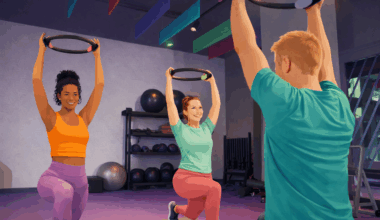
Finally, the community aspect surrounding Pilates can also play a role in an athlete’s recovery journey. Participating in group classes fosters camaraderie and support, which can serve as additional motivation. Engaging alongside fellow athletes not only enhances accountability but also lets practitioners share their experiences, helping to further refine their approach to recovery. In addition to personal benefits, the relationships formed in Pilates classes can cultivate a sense of belonging, which can contribute positively to mental health. Athletes often face significant pressures in their sports; therefore, having a supportive community can relieve some of that pressure, providing encouragement and understanding. The importance of social connections cannot be overstated; they often translate into improved emotional resilience when dealing with setbacks or challenges. Furthermore, classes often feature teachers who provide personal feedback, enhancing the learning experience and making recovery feel structured rather than isolated. Lastly, engaging in Pilates can create a fun and enjoyable atmosphere, which is crucial in maintaining motivation and commitment to recovery protocols. In conclusion, participating in a vibrant Pilates community transforms recovery from merely a physical task into a holistic and enriched experience, benefiting athletes throughout their journey.