
Building Core Strength for Effective Parkour Moves
Parkour requires not only agility but significant core strength to perform various movements effectively. A strong core stabilizes your body and enables greater control during jumps, rolls, and climbs. Specific exercises can help enhance your core strength, which in turn can elevate your parkour performance. Engaging your core during every parkour movement enhances balance and control, reducing the risk of injury. Strengthening your core will support your ability to navigate complex terrains. Bodyweight exercises are particularly effective, as they simulate the kinds of movements used in parkour. Start with basic exercises like planks and mountain climbers, which are excellent for core engagement. Gradually work towards more dynamic exercises that mimic parkour techniques. It’s important to prioritize form and technique over quantity, allowing muscles to develop efficiently. If you focus on consistency, even a short daily routine can lead to significant improvements. Remember, each strengthening workout contributes to your overall ability to perform parkour safely and fluidly. Committing to building core strength will provide you with a solid foundation for mastering parkour moves. Don’t skip this crucial element of your training, as it holds the key to progression.
One essential exercise for building core strength is the plank. This foundational move helps create stability and endurance in your core muscles. To perform a plank, begin on your hands and toes, keeping your body straight and aligned. Focus on tightening your abdominal muscles and holding your position. Aim for at least thirty seconds to build endurance, gradually increasing your time as your strength improves. Incorporating side planks can also enhance strength along your sides, crucial for twisting movements in parkour. Add variations to keep your routine engaging, like plank shoulder taps. Introduce dynamic elements that imitate parkour while performing the plank, such as leg lifts. This variation while holding the plank challenges your stability further. Additionally, integrating simpler variations can make the exercise accessible at any fitness level. You might explore a forearm plank or a knee plank if you’re just getting started. The key is to maintain proper form throughout. Keep listening to your body and find a variant that pushes you without straining. A strong core built from consistent plank work will play a vital role in your overall parkour success.
Incorporating Dynamic Movements
To advance your core strength, incorporate dynamic movements into your training. Exercises like Russian twists can significantly engage your obliques, essential for parkour maneuvers. Sit on the ground with your knees bent, leaning back slightly. With a weight or medicine ball in hand, twist your torso from side to side. This movement mimics the rotational dynamics needed when executing parkour rolls or vaults. Performing this exercise at a slow pace can enhance muscle engagement, providing a solid foundation for quicker repetitions. Furthermore, consider adding a slight lift to your legs during this exercise, making it more challenging. This variation increases the intensity, activating more core muscles. Additionally, bear crawls are another dynamic exercise that builds strength while also promoting coordination. Start on your hands and feet, then move forward while staying low to the ground. This full-body movement will not only engage your core but also improve your overall agility, pairing perfectly with parkour goals. Always remember to maintain proper breathing patterns during these exercises to ensure adequate oxygenation. Your increased core strength will translate directly into improved parkour performance.
Cross-training is an effective way to enhance core strength through diverse movement patterns. Engaging in activities like swimming, martial arts, or yoga can build different muscle groups affecting your parkour skills. Swimming, for instance, provides a cardiovascular workout while strengthening core muscles through various strokes. Additionally, yoga promotes flexibility and core strength simultaneously, enhancing your overall performance in parkour. Certain styles of yoga incorporate balance poses that become increasingly useful for parkour moves. These sessions improve your body awareness and stability. Moreover, practicing martial arts develops explosiveness and control, which are vital for executing parkour techniques. Combining these disciplines can introduce valuable cross-training benefits, ensuring a well-rounded approach to strength and agility. It also helps mitigate the monotony of routine strength training. Consider attending classes or sessions in your area to learn from experienced practitioners. Engaging in these cross-training activities fosters community while supporting individual growth. Diverse physical activities contribute to a stronger, more adaptable body that is critical in parkour. Explore different genres to see what resonates with you, and allow your core strength to flourish.
The Role of Nutrition
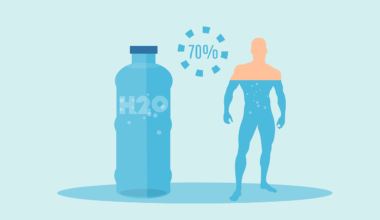
Nutrition plays a significant role in building core strength for parkour enthusiasts. Providing your body with adequate nutrients fuels your workouts and supports muscle recovery. Focus on a balanced diet rich in proteins, healthy fats, and carbohydrates, which collectively enhance overall performance. Lean proteins such as chicken, fish, or legumes help repair and build muscle tissue post-workout. In addition, incorporating leafy greens and colorful vegetables can deliver essential vitamins and minerals to keep your body functioning optimally. Healthy fats from sources like avocados and nuts support hormone production and overall health. You might also want to consider hydration as a critical component of performance. Drinking adequate water ensures muscles remain hydrated, playing a crucial role in maintaining strength and endurance during training sessions. A well-hydrated body responds better to intense workouts. Lastly, timing your meals appropriately can be advantageous; consider consuming a protein-rich snack after your workouts to aid recovery. This strategic element of nutrition is essential in reaching your parkour goals. Cultivating healthy eating habits will lead to sustainable strength gains supporting your parkour journey.
Consistency is key in building core strength for effective parkour moves, enabling continuous improvement over time. Establishing a training schedule that allows for regular assessment of your core strength is crucial. Aim for at least three dedicated sessions a week focused specifically on core workouts. You may find it beneficial to track your progress, documenting performance metrics such as duration and repetitions. Regularly review your goals to adjust the training program as necessary. Sharing your goals with a training partner or coach can also provide motivation and accountability. They can help encourage you during moments of doubt and hold you responsible for adhering to your schedule. Flexibility is equally important within your routine; allowing for changes keeps the workouts fresh and exciting. Incorporate new exercises periodically to challenge your muscles in different ways. Lastly, remember to celebrate small victories, whether that’s achieving a new hold time on your plank or mastering a more complex dynamic movement. These milestones keep you motivated and focused on the long-term objectives you set for yourself in parkour. Consistency in both training and nutrition will lead to strong, effective parkour execution.
The Importance of Rest
Rest and recovery are crucial components of any strength-building program, including for parkour enthusiasts. Adequate rest allows your muscles to repair and grow, enhancing your overall performance. Overtraining can lead to injuries and hinder progress, so ensuring you incorporate rest days in your training routine is vital. Focus on quality sleep each night, as this is when most muscle recovery occurs. Aim for seven to eight hours of sleep to ensure optimum recovery processes. Additionally, consider active recovery sessions; engaging in gentle activities like stretching or walking contributes positively to circulation without overly exerting your body. Listening to your body is paramount; it will tell you when to rest. If you feel fatigued or experience soreness, take the necessary breaks to allow for healing. Incorporate relaxation techniques like meditation or breathwork to alleviate mental stress and promote recovery further. The balance between training and rest is pivotal in achieving sustained progress in parkour. Prioritizing this aspect ensures that your core strength continues to grow without risking injury. A well-rested body responds better to workouts, ultimately translating into improved parkour skills over time.
Finally, consider the value of community and support systems in your journey toward enhanced core strength in parkour. Training with others can increase motivation levels and create an environment conducive to growth. Join local parkour classes or online forums where enthusiasts convene, exchanging their experiences and supportive insights. The shared passion for parkour often fosters connections that keep you accountable and engaged. Learning from more experienced practitioners provides you with valuable insights and techniques to refine your training methods. Moreover, consider attending workshops or events focusing on core strength and parkour skills, as they provide opportunities not only to learn but to network as well. Engaging in community-based activities often results in inspiration, encouraging growth beyond personal limits. Additionally, offering support to others helps reinforce your commitment to your fitness journey. Actively participating in discussions, sharing your achievements, and assisting beginners can enrich your experience. Ultimately, the sense of camaraderie found within the parkour community enhances motivation while fostering resilience. Developing core strength is both an individual endeavor and a journey best traveled together with like-minded enthusiasts seeking mastery in parkour.