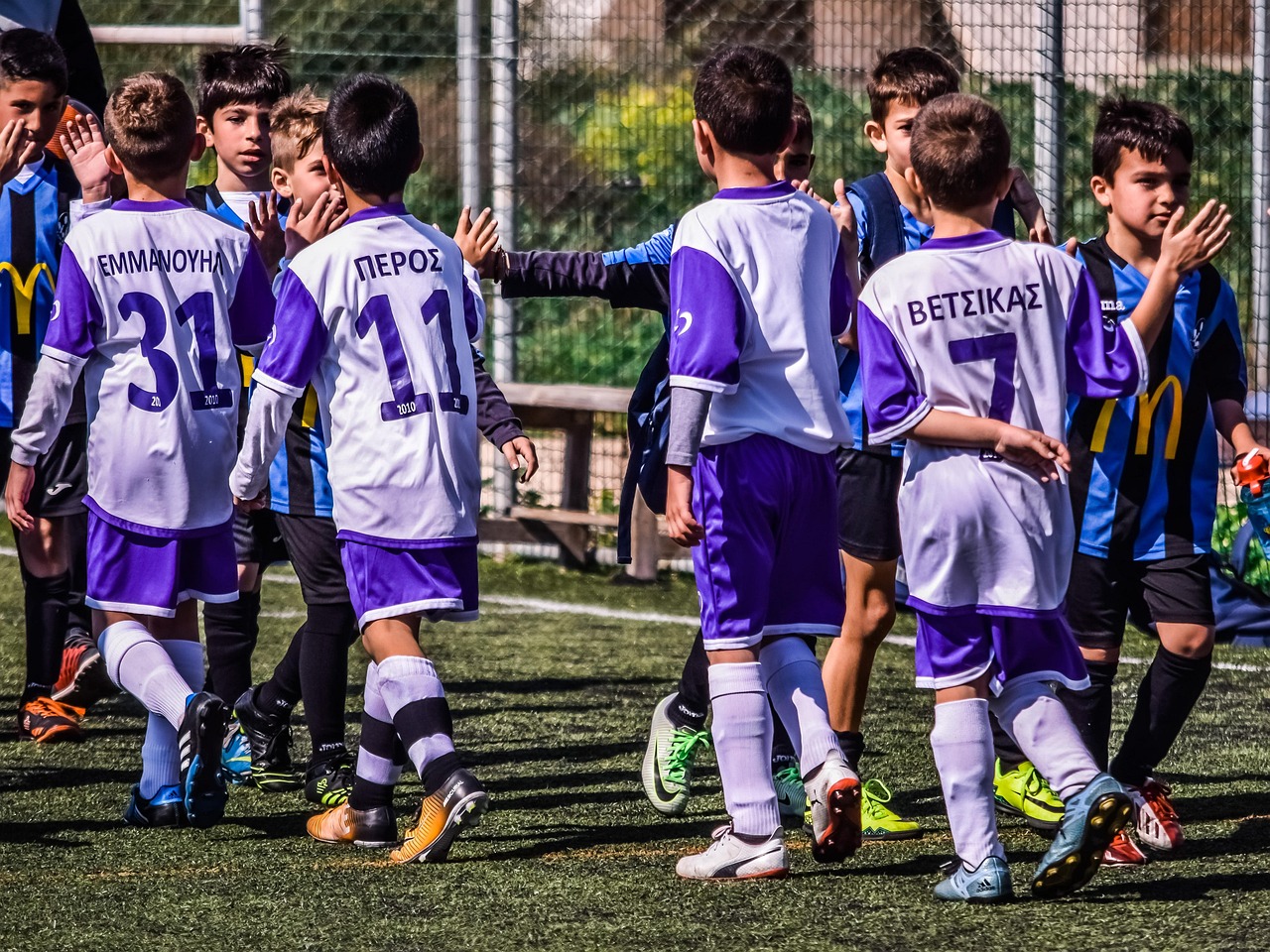

Cultural Differences in Sportsmanship and How They Affect Global Competitions
Sportsmanship embodies the ethical behavior and respect that athletes should demonstrate during competitions. However, cultural factors significantly influence this concept worldwide. In different cultures, what is considered sportsmanship may vary greatly based on historical insights, social norms, and educational systems. In some cultures, a strong emphasis is placed on individual achievement, often leading to intense competition, wherein winning supersedes the spirit of fair play. Conversely, other cultures, such as those in Scandinavia, highlight the importance of collective effort and mutual respect in sports. This dichotomy can lead to misunderstandings in international competitional contexts. Athletes from various backgrounds may interpret actions and behaviors differently, impacting their interactions with opponents, referees, and fans. Therefore, understanding these cultural differences becomes essential for fostering better global sports relationships. Engaging with diverse viewpoints encourages more inclusive and fair experiences in competitive sports. By appreciating the nuances tied to different cultures, athletes can navigate the challenges of international competitions with grace and understanding, fostering a more harmonious sporting community worldwide. The significance of ethics cannot be overstated, as it holds the key to sustained sportsmanship and fair play.
One of the most evident ways cultural differences manifest in sportsmanship is through the attitudes toward winning and losing. In certain cultures, winning is often seen as the ultimate goal, whereas others may consider losing an opportunity for learning and growth. For example, in American sports, the drive to win can sometimes overshadow the basics of fairness and respect for opponents. On the other hand, cultures like Japan emphasize humility and respect, teaching athletes to honor both their opponents’ skills and the game itself. This leads to sportsmanship that values the process over the result, fostering a more cooperative spirit. Acknowledging these differences allows athletes to mutually respect one another’s values during competitions. As athletes from differing backgrounds interact more in international contests, they can influence each other’s mindset. This exchange can create an enriched atmosphere where sportsmanship becomes a shared goal, rather than a mere set of rules. Cultivating an environment of respect leads to healthier competitions, inspiring athletes to adhere to higher moral standards regardless of their origin. Ultimately, impacting overall international sports experience through understanding and embracing these cultural disparities.
Impact on Team Dynamics
Another critical area affected by cultural differences in sportsmanship lies within team dynamics. Teams often comprise athletes from diverse cultural backgrounds, and differing perspectives on sportsmanship can lead to challenges. Varying approaches to communication, conflict resolution, and competitive behavior can cause friction among teammates, affecting performance. For instance, a player might view aggressive tactics as necessary for motivation, while a teammate from a more collectivist culture may perceive this as poor sportsmanship. This discord can lead to misunderstandings, diminished cohesion, and unhappiness among team members. To mitigate these issues, teams can benefit from education on cultural sensitivity and sportsmanship. By fostering discussions about mutual respect and shared objectives, teammates can align their attitudes and expectations. Workshops or training sessions that emphasize the importance of understanding cultural norms can empower teams to foster a more supportive atmosphere. This groundwork contributes to not only improved performance on the field but also better relationships among teammates. Such inclusivity results in enhanced teamwork, demonstrating how cultural respect and appreciation for diversity can lead to success in sports settings.
Moreover, mentorship plays a pivotal role in shaping young athletes’ perceptions of sportsmanship. Coaches, often seen as role models, impart values that influence the overall ethics of sport within their teams. In some cultures, coaches emphasize results and the relentless pursuit of excellence, while others emphasize personal development and team cohesion. For example, in Australia, sports can be seen as integral to national identity, promoting collaboration and mutual support over cut-throat competition. Such mentoring can bridge gaps between culturally diverse athletes and cultivate an appreciation for good sportsmanship. Tailoring coaching strategies to be cognizant of different cultural attitudes towards competition can help create an environment that nurtures respect. Coaches can lead discussions that encourage athletes to express their views, enabling everyone to learn from each other. By accommodating various perspectives, coaches enhance team morale and universally promote ethical behavior. The integration of these diverse perspectives allows athletes to develop skills not only within their sport but in personal conduct as well. Ultimately, these learned values may continue to influence their behavior long after their competitive days.
Communication Styles
Understanding communication styles is crucial when addressing cultural differences in sportsmanship. Athletes from different regions may approach interaction with varying degrees of assertiveness, subtlety, or indirectness. In some cultures, a direct approach is appreciated and perceived as honest, while others may lean towards more subdued communication to maintain harmony. For instance, athletes from the United States may prefer straightforward communication, while those from more collectivist cultures might adopt a more nuanced method that prioritizes relationship-building. This disparity can lead to misinterpretations during competitions if not managed properly. Miscommunication can breed resentment, potentially leading to a breakdown of sportsmanship principles. To counteract this, athletes should educate themselves on their teammates’ and opponents’ communication preferences. Engaging in open discussions about communication styles can foster bridge-building, preventing misunderstandings during high-stress situations. Additionally, utilizing interpreters when necessary can further enhance understanding in competitive environments. Emphasizing clear, respectful communication can mitigate cultural barriers and reaffirm the importance of respect and sportsmanship; ultimately promoting a competitive yet fair atmosphere between athletes.
In parallel, the concept of fair play often intersects with cultural values, shaping how athletes approach competitions. Fair play is not just about adhering to rules; it’s a broader representation of respect, integrity, and sportsmanship in every aspect of the game. Various cultures interpret fair play through diverse lenses, influencing athletes’ actions on the field. For instance, in some Latin American countries, showing flair and creativity may be celebrated, but it might clash with regions emphasizing traditional approaches to competition or strict adherence to protocols. Consequently, athletes can find themselves facing dilemmas that challenge their understanding of both fair play and sportsmanship. To address these intricate differences, international sporting bodies must advocate for universally accepted standards on fair play while acknowledging cultural contexts. Training programs that address these topics can promote a comprehensive understanding of ethics in sports. By weaving together culturally diverse notions of fair play, global competitions can encourage athletes to engage and compete with an enriched perspective. Embracing these complexities ultimately leads to a more genuine celebration of sportsmanship worldwide.
Finally, the ongoing evolution of global sports requires a commitment to adapting and refining our understanding of sportsmanship in light of cultural variances. As international competitions grow, the need for collaboration among cultures intensifies. Initiatives aimed at promoting sportsmanship and fair play should prioritize cultural learning — not merely prescribing rules but fostering appreciation. Events such as cultural exchange programs or seminars can facilitate this understanding. Through these initiatives, athletes can explore each other’s backgrounds, discovering how cultural contexts influence their interpretations of sportsmanship. Such programs serve to break down barriers, fostering a sense of global unity amid the competitive nature of sports. Consequently, champions of sportsmanship emerge not only from individual nations but as a consortium of ideas and practices. The focus should remain on creating sustainable atmospheres that secure the integrity of sports while encouraging respect and camaraderie. Ultimately, the genuine essence of sportsmanship transcends cultural divides, providing a rich tapestry of experiences that enhances the global sporting landscape. As athletics continue to evolve, embracing these cultural nuances will remain central to fostering a fair, competitive environment.
In conclusion, addressing cultural differences in sportsmanship is crucial for promoting fair play in global competitions. Athletes must be cognizant of how their actions are perceived by those from various cultural backgrounds. Acknowledging these disparities is essential for fostering a respectful sporting environment that encourages collaboration rather than division. As globalization continues to influence sports, embracing these cultural differences becomes paramount in ensuring that the spirit of fair play remains intact. Coaches, athletes, and sports organizations should work collectively to create educational programs that highlight the importance of sportsmanship, emphasizing its role in facilitating positive interactions. By cultivating awareness and appreciation of diverse perspectives, sports can achieve a more cohesive community. In a world that thrives on competition, understanding and respecting cultural nuances will ultimately enhance the overall experience for everyone involved. Encouraging dialogue and collaboration among athletes will promote unity and respect, paving the way for a future where sportsmanship and fair play are valued as universal principles. Only by intertwining these diverse values can the international community of sports flourish and progress toward a more inclusive understanding of competition.