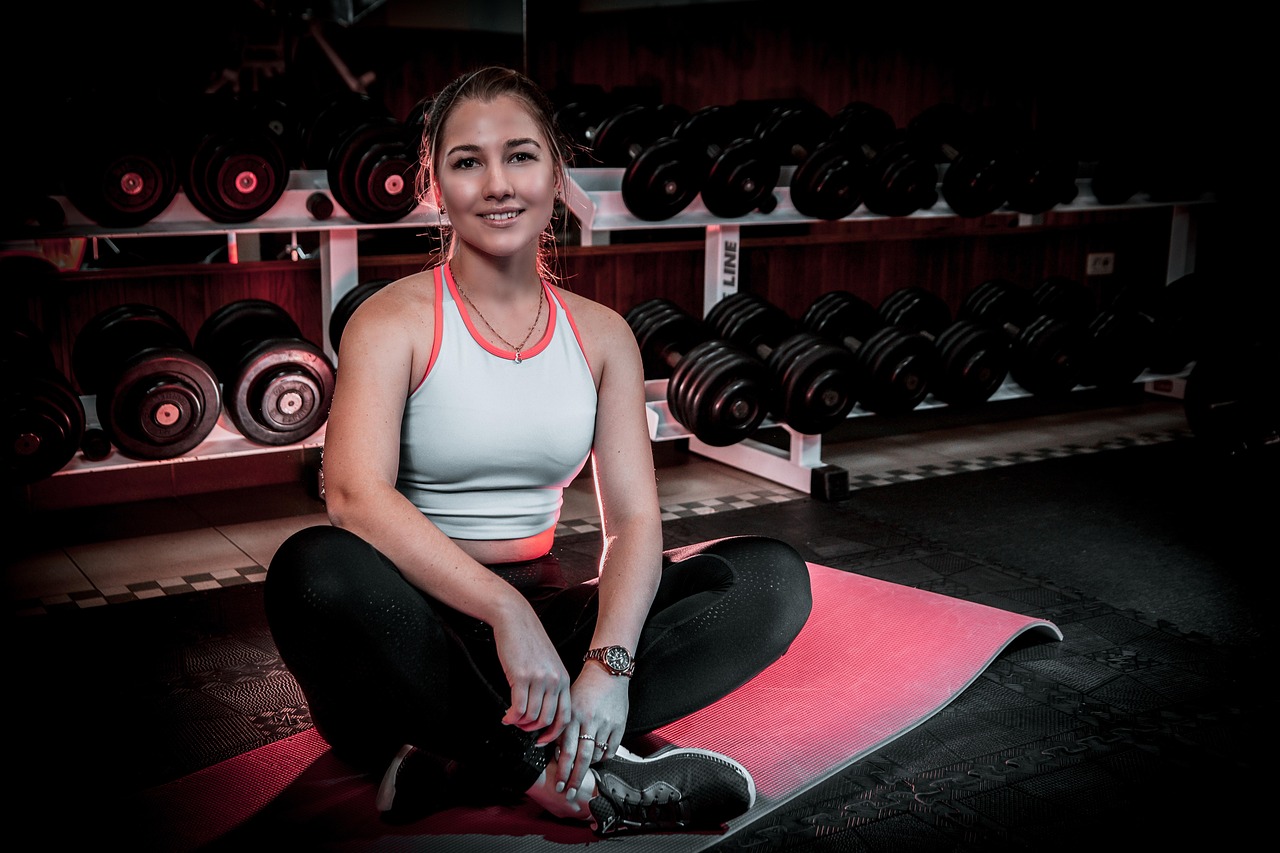

Incorporating Functional Training into Daily Life for Posture Benefits
Functional training for posture improvement focuses on enhancing your body’s physical capabilities. By engaging in exercises designed to develop strength, flexibility, and stability, you can significantly reduce discomfort associated with poor posture. This type of training mimics everyday activities while targeting the specific muscles that maintain a healthy spinal alignment. Simple adjustments in your daily regimen can introduce these beneficial workout sessions seamlessly. Incorporating functional training can lead to fewer injuries by reinforcing good postural habits. Additionally, integrating different modalities such as yoga, Pilates, or resistance exercises can create a diversified workout. These workouts often emphasize core engagement, which is essential for good posture. With a dedicated approach, you can create a routine that keeps your muscles balanced and aligned. Examples of exercises include squats, lunges, or carry movements, all of which simulate everyday activities. Coupling these exercises with mindful awareness makes a profound impact on your daily posture habits. In this fast-paced lifestyle, consistent practice of functional training yields exceptional results for your posture. Investing time in these practices will pay dividends in terms of comfort, confidence, and overall health. Transform your everyday activities for long-term posture improvement.
The Importance of Core Stability
Core stability plays a fundamental role in maintaining proper posture. Your core muscles, including the abdominal, back, and pelvic muscles, provide support for the spine and overall body alignment. Weak core muscles can lead to compensatory movements that contribute to poor posture. To address this issue effectively, incorporating exercises like planks and bridges into your training routine is crucial. These movements engage the body’s stabilizing muscle groups. By strengthening your core, you not only enhance your posture but also improve your athletic performance and daily functional movements. A stable core helps prevent injuries, especially during physical activities or prolonged sitting. Ensure that your training incorporates both dynamic and static exercises to target these muscles comprehensively. Correcting your posture through core stability requires a commitment to continuous improvement and self-awareness. Tracking your progress and making necessary adjustments will keep you motivated. Moreover, core engagement should be a priority in every workout. Do not solely focus on aesthetics; the functional aspect is equally, if not more important. A strong core enables better performance in daily activities, ultimately leading to a healthier posture. Therefore, include core exercises regularly in your training program.
Incorporating functional training into your daily life necessitates a holistic approach towards movement patterns. Emphasizing exercises that enhance flexibility is essential for improving posture and reducing muscle tightness. Stretching and mobility work should be integrated into your routine, allowing your muscles to recover effectively. Without flexibility, achieving good posture can be significantly hindered, leading to discomfort or injuries. Dynamic stretches are particularly effective when performed before workouts. Similarly, static stretches can help lengthen tight muscle groups after training sessions. Consider activities like yoga, which offer excellent opportunities for both flexibility and functional strength development. Paying attention to your body’s signals can guide you in determining areas that require more focus. Utilizing various tools such as foam rollers or resistance bands can enhance your training experience. Designating specific days for flexibility training ensures a well-rounded program. Additionally, remember to include proper breathing techniques during your sessions. Breathing deeply allows for better muscle activation and relaxation. Ultimately, this integrative approach will yield positive results. Functional training for flexibility not only aids in posture improvement but also enhances your overall sense of well-being. This makes it an invaluable aspect of daily fitness routines.
Daily Mobility Exercises
Daily mobility exercises are imperative for maintaining and improving posture. These exercises should focus on increasing joint range of motion and revitalizing muscular function. Integrating mobility movements into your morning routine can set a positive tone for the day. Start with simple exercises such as arm circles, leg swings, and torso twists that focus on the key areas like shoulders, hips, and spine. These moves enhance blood flow and improve flexibility, reducing muscle stiffness from a sedentary lifestyle. Aim to perform a quick mobility session before starting your workday—it’s a great way to wake up your body. Additionally, consider implementing brief mobility breaks throughout the day. Simple stretches can be performed while seated or standing, which helps alleviate tension that builds up from prolonged sitting. Utilize office-friendly movements such as desk stretches or standing calf raises. Regularly revisiting these mobility exercises will contribute significantly to reducing discomfort. Many individuals fail to prioritize mobility, leading to chronic tightness and discomfort. By making mobility a consistent priority, you’ll experience an improved ability to maintain better posture. Your body will respond positively, enhancing both comfort and performance.
Another critical component of functional training for posture improvement involves strengthening specific postural muscles. Targeted muscle groups such as the upper back and shoulders are often neglected in typical workouts. To address this, incorporate exercises like rows, pull-ups, and reverse flyes into your routine. These movements specifically strengthen the muscles that counteract the forward pull from activities such as sitting hunched over a computer. Emphasizing upper back strength is essential for achieving a more upright posture. Not only do these exercises enhance muscular endurance, but they also promote spinal health by keeping the shoulders retracted and aligned. Consistency in working these muscle groups can yield significant benefits over time. Furthermore, consider integrating resistance bands for added challenge and variety, focusing on unilateral movements to improve muscular imbalances. Tailoring your workout to target underactive muscles ensures your posture remains optimal. Engage with a professional trainer if you’re uncertain about exercise execution. This added support can provide you with tailored exercise ideas that prioritize posture. Over time, you’ll notice a remarkable difference in your overall stability and reduction in discomfort caused by poor posture. Importantly, engage in these targeted exercises several times weekly.
Mindfulness and Posture
The synergy between mindfulness and posture is often underestimated. Practicing mindfulness enables you to become aware of your body’s position throughout the day. It encourages self-checks that help you remain conscious of your alignment. Developing mindfulness can effectively alter your routine, prompting regular postural adjustments. Taking brief moments to assess your posture while sitting or standing makes a significant difference. Deep breathing exercises should accompany this practice, fostering relaxation and awareness. A relaxed body is more receptive to the principles of good posture, allowing the muscles to function optimally. Incorporate mindfulness techniques into your daily practices, from meditation to mindful walking. This integration can be especially beneficial in stressful environments. Stress often manifests physically, affecting how you hold your body. By recognizing and addressing these tensions, you can further enhance your well-being and align your posture. Innovative apps exist to guide beginners through mindfulness exercises. Moreover, mindfulness enhances the effectiveness of functional training. Through this harmony, exercises become more intentional, promoting a deeper connection with your body. Over time, maintaining awareness will flow into habitual practice, improving posture naturally and spontaneously. Enjoy the benefits of mindfulness coupled with functional training for practical results.
Aligning your daily life with functional training principles can yield significant posture benefits. This means altering simple daily activities to prioritize body mechanics. For example, when sitting, focusing on a supportive chair encourages better spinal alignment. Adjust your workspace ergonomically to prevent slumping and discomfort. Utilizing stand-up desks can also be beneficial, reducing the time spent in prolonged seated positions. In addition, incorporating movement into breaks is essential; consider walking meetings or brief stretching sessions to enhance circulation. Moreover, being proactive about posture extends beyond the gym—commuting, errands, and home activities all offer opportunities to reinforce good habits. Pay attention to how you lift, bend, or carry objects, as these movements affect your posture significantly. Always engage your core during physical tasks; this helps stabilize your spine. Making conscious choices in daily activities encourages a holistic lifestyle that supports your fitness goals. Celebrating small victories can keep you motivated to continue improving your posture. A supportive community can also assist in reinforcing good practices. Remember that posture improvement is a lifelong journey, and integrating these principles into your daily life will prove invaluable over time. Both healthier and happier embodiment are achievable through functional training practices.
Functional training for posture improvement revolves around fundamental movement patterns, which provide essential frameworks for effective exercise. Identifying these patterns is crucial for optimizing your training and improving posture. The five foundational movements—squat, lunge, hinge, push, and pull—serve as the basis for many exercise routines. Each movement plays a distinct role in strengthening specific muscle groups that contribute to good posture. For instance, squats target the lower body, helping to create strength in the legs and hips. These areas are vital for supporting a balanced posture overall. Similarly, the push and pull movements strengthen the upper body. Emphasizing these foundational exercises across your workout can create a balanced muscle development, which aligns the body correctly. Gradually increasing your training intensity and variations promotes continued growth and adaptation. Not only does this approach improve strength, but it also fosters body awareness and control. Consider creating a progressive workout plan that incorporates these movements. Consistency in training these patterns prepares the body for daily functional tasks. Explore different variations, modifying movements according to your fitness level, ensuring sustainability in your routine. Ultimately, mastering these fundamental movements allows for greater posture control and overall physical performance.