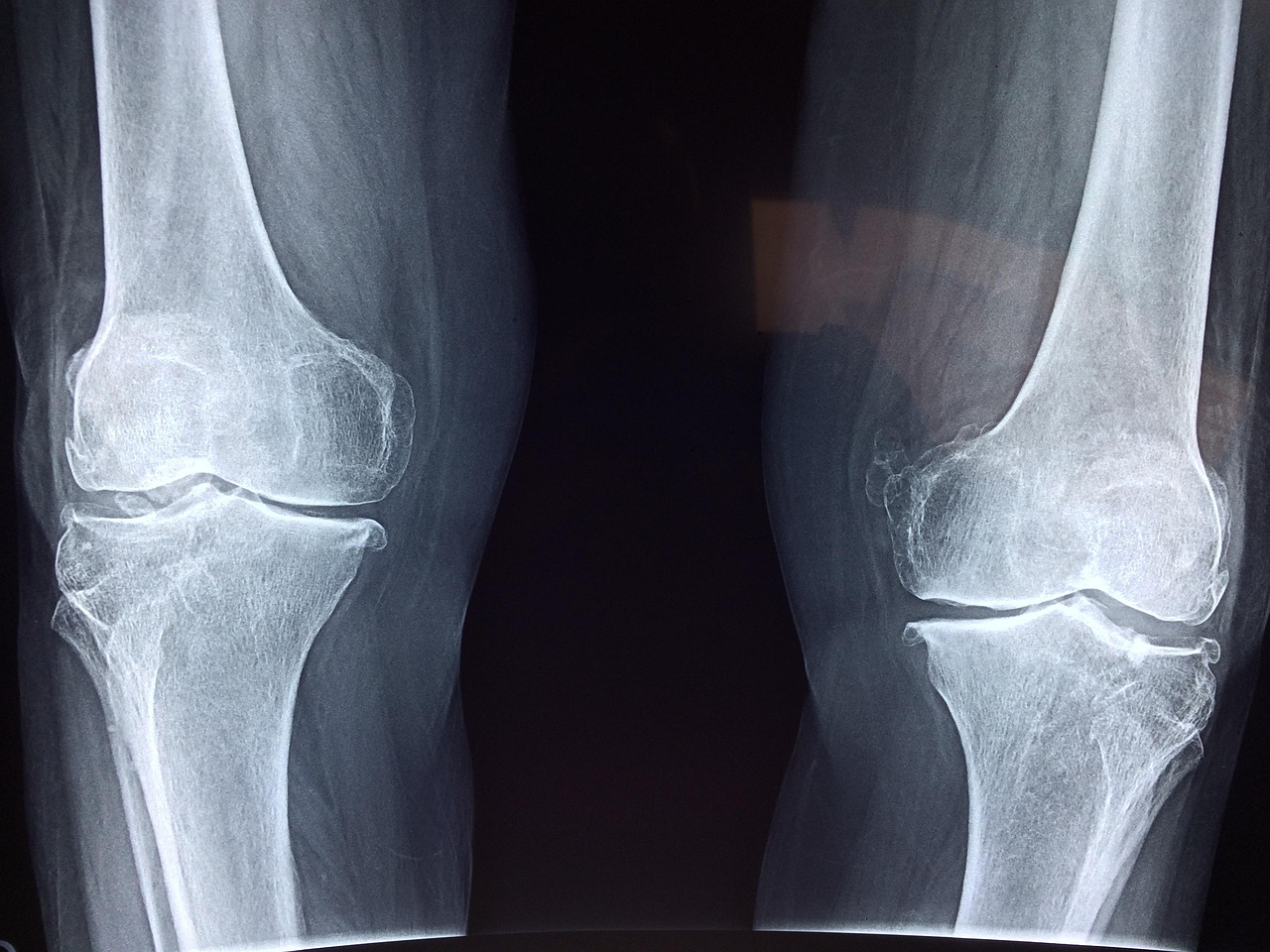

Innovations in Cartilage Repair Surgeries for Athletes
Sports medicine has witnessed significant advancements in recent times, particularly in the realm of cartilage repair surgeries. These innovations are crucial for athletes who suffer from cartilage injuries, as these injuries can severely restrict their performance and quality of life. Various surgical techniques have been devised to aid in the regeneration of damaged cartilage, helping athletes return to their sports quickly and effectively. Options such as microfracture, autologous chondrocyte implantation, and osteochondral autografts provide tailored solutions for different injury types. Moreover, researchers are exploring the use of biomaterials and scaffolding techniques to create an artificial environment for cartilage healing. The efficacy of these modern procedures is being assessed through various clinical trials, further contributing to the evolving landscape of sports medicine surgery. Each method varies in its approach and effectiveness, so understanding these options is essential for athletes seeking to make informed decisions regarding their treatment. Continuous research aims to improve these techniques, ensuring they offer the best possible outcomes for patients. This surge of innovation is positively impacting not only recovery times but also the long-term health of athletes’ joints.
Techniques Used in Cartilage Repair
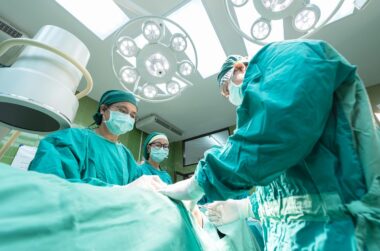
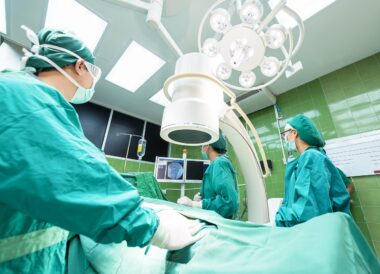
Current techniques in cartilage repair emphasize minimally invasive surgical methods that reduce recovery periods while enhancing healing outcomes. One of the most notable advancements is the development of arthroscopic procedures, which allow surgeons to operate through small incisions. This technique minimizes tissue damage and leads to shorter rehabilitation periods for patients. Additionally, procedures like microfracture enable the creation of small holes in the bone to promote cartilage healing. This technique is popular due to its relative simplicity and effectiveness. Autologous chondrocyte implantation is another major breakthrough wherein a patient’s own cartilage cells are harvested, cultured, and then re-implanted back into the damaged area. This innovative method has shown promising results in regenerating cartilage with a more natural composition. Furthermore, advancements in synthetic biomaterials have also provided surgeons with tools to support chondral repair, offering further options for patients with severe cartilage deterioration. Technologies continue to evolve, and combined approaches, integrating cell therapy with scaffold technology, show promise in developing tissue-engineered solutions. As these techniques are refined, they contribute to enhanced functional outcomes for athletes following surgery.
The process of cartilage repair is not only about the surgical techniques applied but also involves understanding the biological mechanisms that underpin healing. New research increasingly supports the use of growth factors and cellular therapies to augment healing after surgery. For instance, platelet-rich plasma (PRP) therapy is gaining traction, as it delivers concentrated growth factors directly to the injury site, promoting faster recovery and improved outcomes. Studies indicate that when combined with traditional surgical methods, PRP can significantly enhance the healing process. Stem cell therapy is also emerging, with the potential to direct the body’s own repair mechanisms to regenerate cartilage. Researchers are exploring various stem cell sources, including adipose tissue and bone marrow. These therapies present an exciting frontier in sports medicine, as they enable clinicians to harness the body’s natural healing capabilities. Nevertheless, while these advancements hold promise, further clinical studies are necessary to establish standardized protocols. Athletes must remain informed about these emerging options and consult with their healthcare providers to determine the most suitable approaches for optimal recovery. Understanding the future direction of cartilage repair is critical as technology continues to advance.
Post-surgical Rehabilitation Strategies
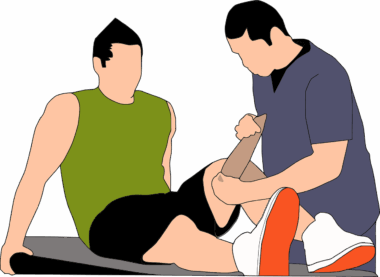
Successful cartilage repair surgeries do not solely rely on the surgical techniques employed. An effective post-surgical rehabilitation regime is essential for athletes to regain strength, flexibility, and stability following surgery. Physical therapy plays a crucial role in this rehabilitation process, as it focuses on restoring range of motion and building muscle strength surrounding the joint. Personalized rehabilitation plans are increasingly developed based on the type of surgery performed and the specific needs of the athlete. Early intervention with range-of-motion exercises is common; however, other modalities include aquatic therapy and strength training, which promote functional recovery. Furthermore, introducing sport-specific movements at the right time is vital for ensuring a safe return to competitive play. Research-backed protocols guide the progression of rehabilitation based on the healing response, individual performance goals, and the specific demands of the athlete’s sport. Education plays an essential role in recovery, empowering athletes to engage in active participation during their rehabilitation. Comprehensive rehabilitation not only enhances the chances of a successful recovery but also minimizes the risk of re-injury, ensuring that athletes can return to their sport with confidence.
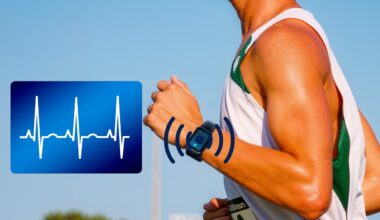
Emerging technologies such as telehealth and remote monitoring are transforming how rehabilitation programs are conducted. These innovations provide athletes with access to physiotherapists and healthcare professionals without the constraints of time and location. Through video consultations, athletes can receive real-time feedback on their rehabilitation exercises and adjust their programs accordingly. Remote monitoring devices also allow for tracking performance metrics and recovery progress, thus offering a detailed overview of the patient’s status. Such technologies facilitate a more individualized approach to rehabilitation, as therapists can make adjustments based on objective data. Moreover, integrating wearable technology into rehabilitation can help athletes monitor their biomechanics and workload, providing insights into their recovery process. This proactive management empowers athletes to take charge of their recovery, ensuring they can optimize outcomes. As telehealth expands, it is essential for sports medicine practitioners to adapt to this evolving landscape and ensure quality care. Athletes should embrace these advancements, using them to enhance their rehabilitation journey. This interplay between technology and traditional rehabilitation strategies delivers a more holistic approach to recovery and performance.
The Future of Cartilage Repair Innovations
The future of cartilage repair surgery continues to look promising as research progresses and innovation flourishes. Collaborative efforts among researchers, surgeons, and technology developers are focused on refining surgical techniques and exploring novel treatment modalities. As our understanding of the biological mechanisms surrounding cartilage healing grows, we can expect to see the integration of more advanced biologics that enhance tissue regeneration and repair. Furthermore, the field is likely to see a rise in the use of regenerative medicine approaches, including gene therapy, which could further advance the possibilities in cartilage repair. Personalized medicine is also emerging, as treatments can be tailored to the individual athlete’s genetic makeup and specific cartilage injuries. As these innovations take shape, athletes will benefit from fewer complications and quicker recovery times, leading to better overall outcomes. Ongoing education and training for healthcare professionals will be essential to stay abreast of these advancements and ensure that athletes receive the best evidence-based care. As technology continues to evolve, the hope for better cartilage repair options is on the horizon, paving the way for future athletic achievements and enhanced quality of life.
Conclusion: As we reflect on the advancements made in cartilage repair surgeries within sports medicine, it is clear that these innovations are revolutionizing how we approach athletic injuries. The focus on minimally invasive techniques, pre-and post-operative care, and the use of regenerative medicine is transforming the recovery landscape. It is crucial for both athletes and healthcare professionals to stay informed about the latest research and innovations that continue to emerge in this field. By understanding the available options, athletes can make educated decisions regarding their treatments while contributing to ongoing research efforts. Looking ahead, it is essential to foster collaboration between researchers, clinicians, and technological innovators to sustain the momentum of progress. This synergy will ultimately ensure that athletes receive the most advanced and effective collaborations for cartilage repair surgeries. As the field evolves, it holds the promise to enhance not only recovery rates but also the quality of life for countless athletes. Embracing these changes can lead to remarkable achievements and showcase the resilience of the human spirit in the face of adversity.
Understanding the significance of cartilage repair surgery in sports medicine has far-reaching implications. With every surgical advancement, athletes regain the chance to compete at high levels and minimize long-term complications. Moreover, these innovations celebrate the harmonious integration of technology, biology, and practice. Knowledge and awareness of available options empower athletes to take proactive roles in their recovery journeys. Looking forward, a focus on research-backed treatments, personalized approaches, and effective rehabilitation is key to pushing the boundaries of what is possible in sports medicine. As advances in cartilage repair continue to unfold, we are left optimistic about the future of athletic medicine and the ongoing recovery journeys faced by many athletes. The convergence of knowledge, technology, and patient care will undoubtedly shape the field for years to come. Importantly, staying engaged in continuous education surrounding these innovations will aid in their adoption and success in clinical settings. Ultimately, these strides in sports medicine will not only benefit elite athletes but may also extend to amateur sports, ensuring that everyone has access to quality musculoskeletal care. This notion lays the foundation for a healthier athletic community overall, enhancing the joy and experience of sports participation across the board.