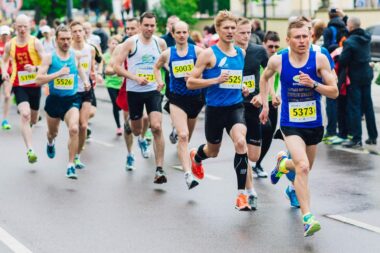

Neuromuscular Fatigue Effects on Running Mechanics and Endurance
Neuromuscular fatigue significantly influences running mechanics and overall endurance, impacting an athlete’s performance. When athletes push their bodies to the limit, the neural and muscular systems experience fatigue, leading to decreased efficiency in running. Neuromuscular fatigue reduces the ability to generate force, maintain proper running form, and execute quick, agile movements. This decline in performance can be attributed to various factors, including depletion of energy stores, altered muscle function, and changes in neuromuscular activation patterns. Consequently, the interplay between these factors can result in inefficient running mechanics, thereby leading to increased energy expenditure and reduced endurance. As athletes experience fatigue, muscle fibers become less responsive, which may necessitate adjustments in running dynamics. It is essential to understand how neuromuscular fatigue manifests through different training regimens and performance levels to optimize training protocols. By analyzing the effects of fatigue on biomechanics during running, coaches can better prepare athletes for endurance demands, potentially implementing more effective recovery strategies to mitigate adverse effects. A proper training program must balance intense workouts with adequate rest to maximize performance while minimizing injury risks.
The Physiology of Neuromuscular Fatigue
Understanding the physiology of neuromuscular fatigue is crucial for endurance athletes aiming to improve their performance. Fatigue, characterized by a decline in the muscle’s ability to generate force, can result from various physiological mechanisms. One primary factor is the depletion of key metabolites such as glycogen and ATP within muscle fibers; this depletion leads to a significant drop in available energy. Moreover, the accumulation of metabolic byproducts, including lactate and hydrogen ions, may also contribute to fatigue by altering muscle pH and impairing contractions. This dual process not only limits physical output but can also influence muscle recruitment patterns during running. Altered activation patterns can create imbalances in muscle strength, further complicating running mechanics. Another aspect of neuromuscular fatigue involves diminished communication between the nervous system and muscles, leading to a decrease in synaptic efficiency. Consequently, these complex interactions may result in altered kinematics, reduced stride length, and an increased risk of injury. Understanding these physiological aspects provides a foundation for designing tailored training programs. This knowledge allows athletes to develop effective strategies for enhancing performance while minimizing fatigue-related setbacks.
Various studies have examined the relationship between neuromuscular fatigue and running mechanics, highlighting the key adjustments necessary for endurance performance. Researchers have found that prolonged exercise tends to lead to changes in biomechanics, often manifesting as alterations in stride frequency and length. Typically, once forces begin to diminish, a compensatory response occurs, causing runners to shorten their stride. This reduction may help maintain velocity but can also increase metabolic cost, ultimately affecting efficiency and endurance. Moreover, fatigue often induces notable pelvic tilt and hip flexion, reducing stability during running. Additionally, these biomechanical changes can escalate the chance of injury over time, alerting coaches and athletes to prioritize addressing these effects. Various training strategies may mitigate these adjustments, such as incorporating strength training and plyometrics, which aid muscle endurance and optimal recruitment during fatigue. Furthermore, conditioning exercises focused on core stability can enhance overall biomechanical efficiency. As a result, implementing targeted strategies aimed at countering neuromuscular fatigue can improve running mechanics, boosting endurance and facilitating better performance on race day. A comprehensive approach enables athletes to realize their full potential while minimizing injury risks.
Strategies to Overcome Neuromuscular Fatigue
To counteract the effects of neuromuscular fatigue, athletes can implement various practical strategies within their training regimes. One essential strategy involves periodizing training loads to systematically manage intensity and volume while incorporating recovery phases. Alternating between high-intensity workouts and lower-intensity sessions helps athletes to develop strength and endurance without overwhelming the body. Additionally, integrating active recovery methods—such as light jogging, stretching, or foam rolling—can promote blood flow and maintain muscular function during training. Nutrition plays a pivotal role in combating fatigue; ensuring adequate carbohydrate intake before and after exercise replenishes glycogen stores, enhancing performance. Furthermore, hydration should not be overlooked, as proper fluid balance is crucial for muscle function and recovery. Mental strategies, such as mindfulness and visualization techniques, can also greatly enhance an athlete’s endurance. Finding a focus triggers the mind to push through fatigue, helping maintain motivation throughout demanding runs. Finally, regular assessment of biomechanics can assist in adapting training to ensure that running mechanics remain intact despite fatigue. By combining these strategies, athletes can maximize their endurance performance while minimizing the adverse effects of neuromuscular fatigue.
Monitoring neuromuscular fatigue involves utilizing various assessment methods to evaluate its impact on running performance. Several techniques exist to gauge fatigue levels, allowing coaches to adjust training regimens accordingly. The use of electromyography (EMG) can provide valuable insights into muscle activation patterns, helping track changes in neuromuscular function during runs. Additionally, performance tests like the Yo-Yo intermittent recovery test and vertical jumps can measure changes in muscular power and endurance in response to fatigue. Subjective measures, such as perceived exertion scales, enable athletes to reflect on their fatigue levels and recover adequately. Advancements in wearable technology also present novel ways to monitor fatigue; devices can now track heart rate variability and movement patterns in real-time, giving immediate feedback that supports proactive training adjustments. Regular monitoring creates an opportunity for athletes and coaches to identify trends and effectively manage fatigue. This proactive approach facilitates timely interventions, ensuring that athletes maintain optimal performance levels throughout their training cycles. Establishing a clear communication framework between athletes and coaches is crucial to ensure successful management of fatigue and enhancement of performance during endurance events.
The Future of Research on Neuromuscular Fatigue
The research landscape surrounding neuromuscular fatigue is continually evolving, presenting avenues for further exploration to optimize endurance training and performance. Emerging technologies such as advanced imaging techniques and wearables hold significant potential for gaining deeper insights into fatigue mechanisms. Investigating the impact of different recovery modalities—such as cryotherapy, massage, and electrical stimulation—on neuromuscular function and performance could offer extensive benefits for athletes. Furthermore, future research should also consider the role of genetics in individual responses to fatigue, enabling tailored training programs that enhance performance capabilities. Another critical area of exploration is the interplay between mental fatigue and physical fatigue. Understanding these relationships has the potential to illuminate strategies for improved training outcomes. Additionally, examining the effects of long-term endurance training on neuromuscular function may inform best practices for programming and practice. Collaboration among researchers, coaches, and athletes is crucial in driving innovation and translating findings into practical applications. By focusing on these key research trends, the endurance community can develop strategies to combat neuromuscular fatigue, ultimately paving the way for enhanced performance and injury prevention in running.
Ultimately, comprehending the significant correlation between neuromuscular fatigue and running mechanics is vital for maximizing endurance performance. Athletes must be aware of how fatigue alters their biomechanics, impacting their overall effectiveness while running. By implementing targeted training strategies and recovery protocols, athletes can enhance their resilience to fatigue while maintaining efficient running mechanics. Coaches play a critical role in this process, using their experience to design training regimens that take neuromuscular fatigue into account. A balance between stress and recovery must be maintained to optimize performance and adaptation. Therefore, athletes should prioritize proper nutrition, hydration, and mental strategies that contribute to performance sustainability. By addressing the multifaceted influences of neuromuscular fatigue on running mechanics, athletes can minimize risks and enhance their endurance capabilities. As understanding continues to grow in the field, the exchange of knowledge and practical applications will further prepare endurance athletes for the challenges of competition. This ongoing dialogue between research and practice will provide the foundation for future advancements in endurance training aimed at overcoming neuromuscular fatigue and optimizing performance.
As consciousness about body mechanics in endurance events continues to evolve, the scientific community must prioritize studies examining the nuances of neuromuscular fatigue. Exploring how different training modalities affect endurance performance will enable tailored strategies while refining the biomechanics necessary for optimal running efficiency. Future advancements may lead to groundbreaking methods for assessing neuromuscular function, fostering better injury prevention protocols. Furthermore, interdisciplinary collaborations with experts in biomechanics, physiology, and psychology can generate innovative approaches to mitigating fatigue. By monitoring runner’s biomechanics as they fatigue, professionals can better understand the relationship between physical performance and neuromuscular control. Together, these efforts will pave the way for educational initiatives that empower athletes to manage fatigue effectively while maximizing their performance potential. Ultimately, an enhanced understanding of neuromuscular fatigue will position athletes to reach new heights in their endurance journeys. The development of comprehensive fatigue management systems will ensure that individuals can consistently push boundaries while prioritizing their health and well-being. Emphasizing education within this domain will be instrumental in developing solutions to combat fatigue and optimize running efficiency, creating a more sustainable path for endurance athletes everywhere.