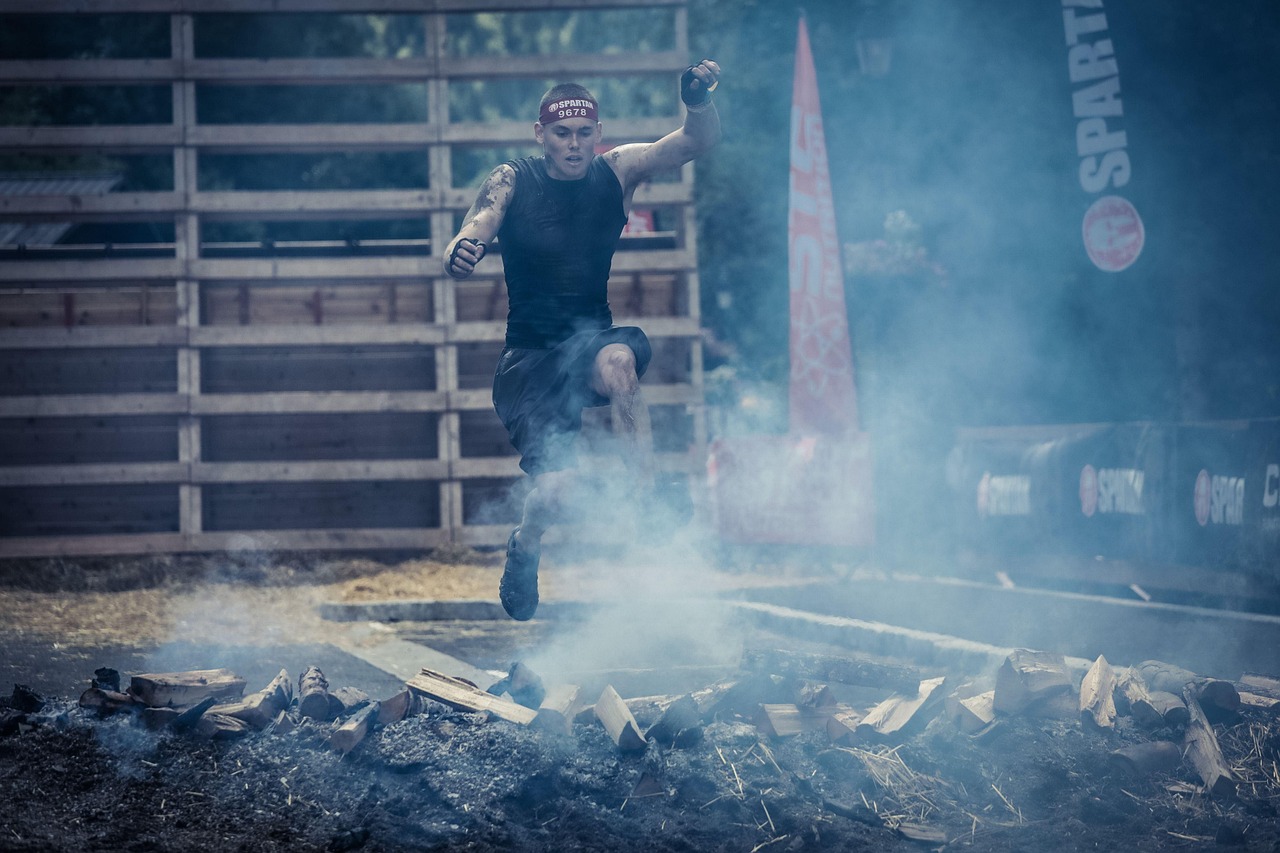

The Influence of Race Course Design on OCR Performance and Records
Obstacle Course Racing (OCR) continues to evolve, driven significantly by innovative race course design. The layout of obstacles and their arrangement challenges competitors in unique ways, ultimately affecting race outcomes. Course designers must consider not only the physical capabilities of participants but also how different configurations can impact overall performance. For instance, technical obstacles such as walls, ropes, and crawls require varying degrees of strength, agility, and strategy. Additionally, the aesthetics of a well-designed course can enhance the overall experience for spectators and racers alike, fostering a vibrant community surrounding OCR events. To understand the impact of design fully, one must analyze past race results, noting patterns that emerge based on different designs. What obstacles are most frequently completed? Where do athletes tend to struggle? By addressing these questions, designers can refine their courses to support greater achievements and potentially new records. Therefore, it is crucial for both competitors and organizers to recognize the intrinsic link between obstacle design and race performance, paving the way for future enhancements and a more inclusive approach to OCR events.
Another key aspect of race course design lies in the placement of obstacles throughout the course. Optimal spacing can influence racer pacing and strategy, allowing for faster times or stalling on challenging sections. Ultimately, designs that maintain a balance between speed and technicality tend to yield tighter race results. Athletes constantly strategize on energy expenditure and pacing during OCR events, making the design of the course crucial to their overall performance. A well-thought-out course guides racers effectively through sections that demand top physical performance while facilitating recovery areas. This recovery is paramount, as the physical demands of OCR require endurance throughout the event. Periods of lower intensity allow competitors to prepare mentally and physically for tougher obstacles. Moreover, the psychological aspect of navigating an obstacle course also plays a significant role in racer performance. Relying on both physical strength and mental resilience, athletes often face their limits against the backdrop of the course design. Observing how these factors intertwine will provide insights into record-breaking performances, suggesting that thoughtful design can significantly enhance overall racer experiences and outcomes on race day.
Historical Context and Evolution of Course Designs
To further appreciate how race design influences OCR, it is vital to consider the historical context of course development. OCR began with simpler trials focused primarily on strength and endurance, often replicating military training exercises. The rise of popular OCR events such as Tough Mudder and Spartan Race led to more intricate designs that incorporated various obstacles intended to challenge competitors’ skills. Over the years, the evolution of course designs has witnessed a shift toward creating multifaceted experiences that not only test physical endurance but also enhance overall participant engagement. For instance, incorporating elements of teamwork has become a hallmark of recent course designs. Races are now structured to include blends of high obstructions, water challenges, and muddy terrains that force racers to collaborate. By fostering camaraderie through design, races meet participant expectations for excitement and difficulty while encouraging a sense of community. Course designers must continually innovate to keep up with evolving trends and participant feedback, ensuring that OCR events remain relevant, engaging, and competitive. With this backdrop, analyzing performance metrics against varying designs provides invaluable data for continued progress in the world of OCR.
Course design also directly impacts participant safety, which remains paramount in OCR. Designers endeavor to create courses that balance challenges with secure conditions, ensuring racers can push their limits without incurring excessive risk. Obstacles must meet safety standards while still providing unique challenges that can bolster performance records. Engineers and designers often collaborate extensively, implementing best practices from industries that prioritize safety in challenging environments. This collaboration ensures optimal designs that allow for risky maneuvers while mitigating injury through controlled environments. The careful integration of safety protocols into design harmonizes the thrill of the race with vital precautionary measures, which helps foster confidence among participants. Such considerations enhance the overall experience, leading to more racers returning for future events, which in turn can influence attendance and generate community interest. Furthermore, race results influenced by various course designs can be indicative of diverse experiences shaped by safety, showcasing a broader picture of performance. As OCR continues its rapid growth, evolving safety protocols alongside innovative designs remain crucial for shaping the athlete experience and broadening the appeal of these races to a wider audience.
Impact of Environmental Factors on Race Course Design
Environmental factors also play a significant role in influencing OCR course designs. Courses that are set in diverse terrains, such as forests, beaches, or mountains, utilize the natural landscape to create unique challenges. Weather conditions further add an unpredictable element to both design and performance outcomes, as heavy rain can transform a course, altering its difficulty. Consequently, designers must anticipate various weather scenarios and adapt the course layout to account for changing conditions. Environmental awareness in course creation fosters sustainable practices, including erosion prevention and wildlife preservation. Designers are increasingly implementing eco-friendly designs, maximizing the utilization of natural elements while minimizing harm to the surrounding area. This conscientious blending of environmental consideration with race design leads to courses that provide both exhilarating challenges and educational value about ecological awareness. Additionally, as OCR gains popularity globally, the influence of local cultures on course design emerges. Understanding diverse participant backgrounds allows designers to incorporate elements that resonate with local athletes while respecting the traditions of the environment. Collectively, these aspects embody a holistic approach to race course design, significantly impacting performance metrics and participant experiences.
Furthermore, advanced technology is slowly permeating the realm of OCR, particularly in the design phase. Modern technology allows designers greater precision in creating and modifying course layouts, predicting performance impacts with new data analysis tools. Through the use of simulation software, obstacles can be better envisioned, enabling designers to tailor courses with greater finesse. This tech-savvy approach reshapes traditional design methodologies, ushering in fresh perspectives on strategies for creating innovative courses. Additionally, utilizing drone technology can offer race organizers invaluable insights into racer paths, obstacles effectiveness, and overall participant flow. These analysis tools can refine race structure and pacing for future events, based on historical performance metrics. The capacity for technology to evolve alongside design promises unlimited potential in optimizing race courses. By embracing this intersection of innovation and traditional practices, OCR can facilitate records previously unimaginable. Through continuous adaptation and incorporation of emerging tech, race organizers and athletes alike can benefit from enhanced experiences, leading to improved performances that resonate within the OCR community.
Conclusion: The Future of Design in OCR
In conclusion, race course design undeniably influences OCR performances and records, reflecting a complex interplay between physical and psychological challenges. From strategizing obstacles placements to prioritizing safety and environmental concerns, the evolution of OCR requires an adaptable approach to design. The future of OCR will likely see increased innovation as trends evolve, pushing the boundaries of what is possible in course configuration. Embracing technology and new methodologies will further enhance athletes’ experience while offering potential improvements in performance outcomes. Moreover, continuing to integrate participant feedback reflects a commitment to creating inclusive environments that cater to diverse skill levels, encouraging more individuals to try OCR. As the sport advances, it is imperative for course designers and organizers to remain forward-thinking, cultivating an engaging atmosphere that celebrates athleticism. This ongoing dedication will undoubtedly lead to the discovery of new records and achievements, thereby preserving the competitive spirit of OCR racing. The harmonious relationship between course design and racer performance establishes the foundation for a vibrant OCR future, captivating fans and athletes for years to come.
Exploring performance on diverse courses underscores the importance of understanding how both aesthetic qualities and technical considerations affect the overall race experience.