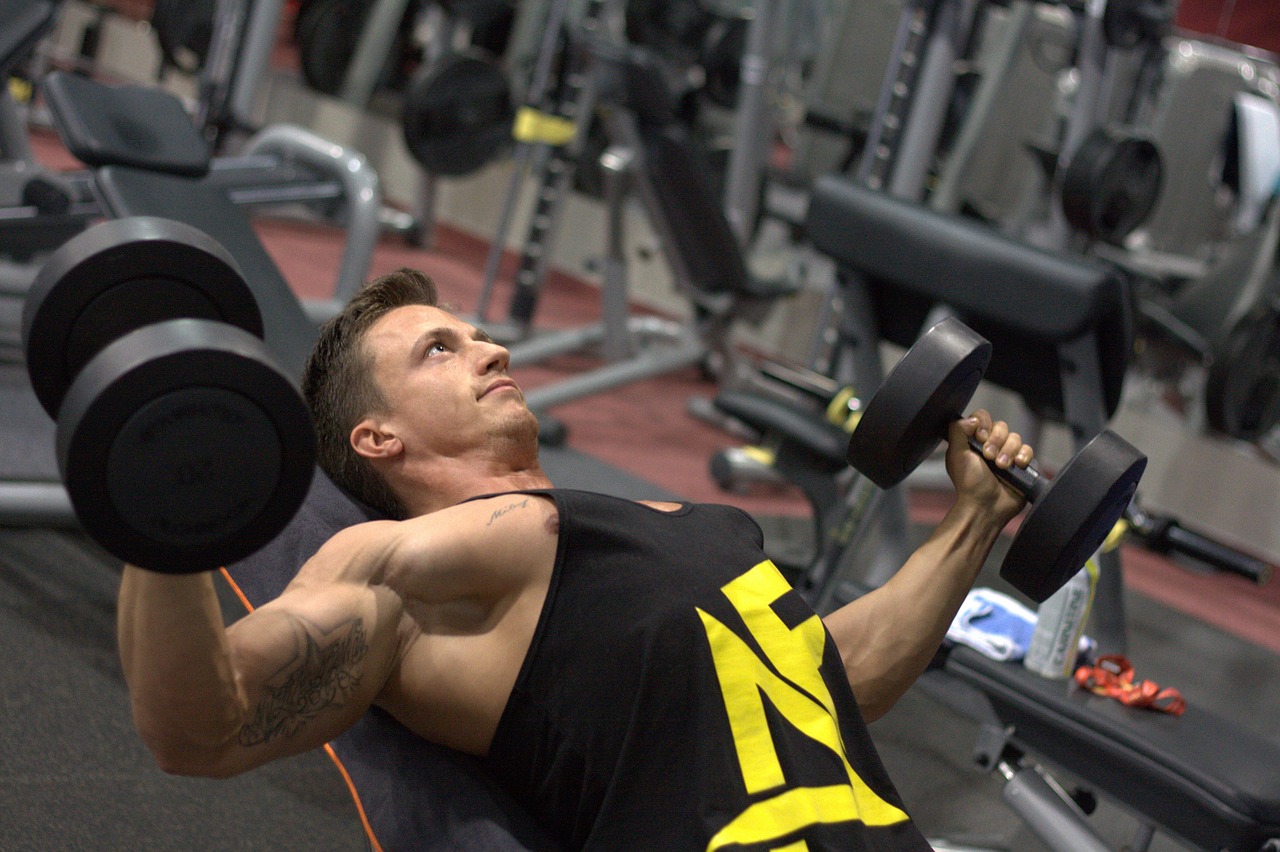

Top 10 Strength Exercises for Teenagers
Strength training is crucial for teenagers as it aids physical and mental development. Among other benefits, it enhances body composition, increases muscle strength, and improves endurance. Embarking on an exercise program can boost self-esteem and social interaction among peers. As teens gain strength, they also learn lifelong skills related to health and fitness that support a more active lifestyle. Weightlifting and bodyweight exercises are two primary categories to explore in strength development. A combination of both offers comprehensive training without causing burnout. Begin with fundamental movements to establish a strong foundation, ensuring rigorous safety measures. Consider starting workouts under the supervision of a trained adult or coach. Setting realistic goals and gradually increasing intensity can help in attaining set objectives. It’s essential that the exercises are enjoyable to sustain interest and motivation. Engaging in group sessions or team sports can promote a fun aspect of training, making achievements feel more rewarding. Remember, consistency is key: regular workouts yield the best strength results over time and cultivate habits that can last into adulthood.
The first exercise every teenager should master is the push-up. This bodyweight movement is not only effective for building upper body strength but also enhances core stability. To perform a push-up, position your hands slightly wider than shoulder-width and engage your core. Lower your body until your chest nearly touches the ground, then push back up. Aim for three sets of 10-15 repetitions, ensuring proper form. Progressions include variations like incline or decline push-ups to increase difficulty. Also, incorporating pull-ups can enhance back and bicep strength while improving grip. Use a sturdy bar—ensure a full range of motion by hanging from the bar, pulling your chin above it, and lowering back down. Start with assisted or banded pull-ups if necessary. Another fundamental exercise is the bodyweight squat, great for developing leg and hip strength and can be modified by adding weights as strength improves. Teens should focus on depth to ensure they’re activating all muscles involved while maintaining proper form. Building leg strength aids in athletic performance and enhances overall functionality in daily activities.
Key Exercises for Total Body Strength
Next on the list is the plank, an excellent core strengthening exercise promoting stability and endurance. To initiate, lie face down and raise your body onto your toes and forearms. Maintain a straight line from head to heels, ensuring your core is engaged and hips are level. Holding this position for 30-60 seconds is beneficial, gradually increasing duration as strength builds. A great variation includes the side plank, targeting obliques and enhancing overall core stability. Furthermore, the burpee stands out as a high-intensity full-body exercise that improves cardiovascular fitness. Starting from a standing position, drop into a squat, kick back into a plank, perform a push-up, return to squat, and jump explosively. Completing sets of 6-10 burpees elevates heart rate and builds muscular endurance. Notably, dumbbell deadlifts are exemplary for building back, hamstring, and glute strength. The movement entails bending at the hips while keeping the back straight and feet shoulder-width apart. Focus on form to prevent injury and ensure safe lifting practices as weights are added. Incorporating these exercises can significantly develop overall strength.
The overhead press is another vital exercise that strengthens the shoulders, arms, and core. Utilize both dumbbells or a barbell for this movement while standing or seated. Begin with weights at shoulder height, then press upwards, fully extending the arms while maintaining good posture. Start with lighter weights to master form, gradually increasing as strength improves. Additionally, the benefits of lunges cannot be overstated, as they enhance leg and core strength effectively. Forward, backward, and side lunges can add variety, allowing incorporation of balance challenges. Ensuring the proper knee alignment while lunging is essential to prevent injuries. A fun way to work strength training into routines is through sports like basketball or soccer. These activities enhance lower body strength and foster teamwork among peers. Also, ensure to include various rotational and stability exercises like medicine ball twists to promote core strength and engage multiple muscle groups. These core exercises can increase agility and improve functional movement patterns. Overall, emphasizing proper technique alongside enjoyment in exercises can create a sustainable foundation for strength training.
Ensuring Proper Technique and Safety
As teens begin strength training, it’s crucial to emphasize the importance of warming up and cooling down sessions. Perform light cardiovascular exercises followed by dynamic stretches to prepare the muscles and joints. Cooling down with static stretches can enhance flexibility and reduce the risk of injuries. Additionally, monitoring hydration levels and nutrition plays an essential role in energy management. Maintaining proper nutrition with balanced meals supports workouts and recovery processes. Teens should focus on incorporating adequate protein, healthy fats, and carbohydrates into their diets. Consult with nutritionists or trainers familiar with teen needs for personalized advice. Regular assessments and adjustments to routines allow progressive overload, essential for continuing strength gains. Avoid overexertion to prevent injuries, focusing instead on gradual progress. Make use of fitness apps or trackers to monitor workouts effectively. Incorporating rest days aimed at recovery is equally important; allow for proper healing of muscles. Still, overall consistency remains key. Encourage setting fitness goals to stay motivated and monitor progress. Engaging in conversations with peers can help create accountability and provide shared experiences through workouts.
Finally, integrating strength training into regular physical activities fosters lifelong healthy habits. This includes participation in school sports, recreational leagues, or personal fitness journeys outside gym settings. Themes of encouragement and support from family or friends can significantly influence a teen’s motivation and adherence to their exercise routine. Developing a balanced perspective towards fitness ensures emotional well-being, respect for one’s body, and understanding limits. Teens should engage in varied routines to avoid plateauing and ensure all muscle groups are targeted effectively. Learning from instructors through classes or workshops can lead to improved techniques and new exercise varieties. Engaging with fitness communities, either in person or online, can provide additional support, resources, and social aspects to the fitness journey. Moreover, utilizing educational resources like workshop courses can increase the effectiveness of training. Commit to continual education around fitness, nutrition, and wellness to enhance understanding and application in daily life. Ultimately, strength training can adapt, evolve, and maintain relevancy throughout a lifetime.
Conclusion: Embracing Strength Training
Strength training for teenagers ultimately fosters a strong foundation for physical and emotional development. Prioritizing safety, proper technique, and making workouts enjoyable can aid in leveling up results while enabling teens to embrace their fitness journeys. With the support of professionals and informed adults, more teens can reap the benefits associated with strength training. Understanding personal and realistic boundaries deepens their experience and acknowledges the balance between pushing limits and avoiding injury. Regular access to knowledge encourages growth among teens within strength training contexts. As teens learn to appreciate their physical capabilities, they are also more likely to promote fair play and healthy habits across peer interactions. So, whether through individual workouts or team sports, pushing through even small achievements develops resilience. This attitude lays the groundwork for enduring healthy behaviors into adulthood. Encouragement from family and friends can elevate the workout experience, creating a positive environment for all. Inspire confidence and consistency in training routines while navigating through challenges. Overall, it’s more than just physical strength; it’s about building character, discipline, and mental toughness too.
In conclusion, encourage teens to explore and enjoy their strength training journey while considering these key exercises and safety tips. Each exercise offers unique benefits that contribute to overall strength levels and health. Remember to incorporate variety, monitor dietary needs, and stay committed to a sustainable workout regimen. Connecting with others who share similar fitness ideas creates valuable experiences and support systems. Explore avenues for improvement, ensure ongoing education, and continuously make adjustments in response to personal growth. With the right attitude, teens can develop not only stronger bodies but also a positive mindset towards their health, ultimately leading to lifelong habits that benefit them in various aspects of life.