
Apps That Help You Track Progress in Cardiovascular Workouts
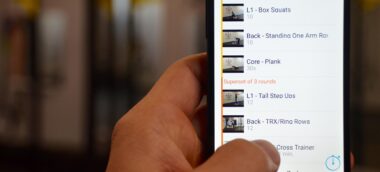
Monitoring your cardiovascular fitness is essential for improving health and performance. Thankfully, a plethora of applications exist to support your cardiovascular workout tracking. These apps not only record your workouts but also offer valuable insights into your fitness journey. They can help manage your training regimes, focusing on strength and endurance while keeping your workouts both effective and enjoyable. Some popular features include GPS tracking for outdoor activities, heart rate monitoring, progress reports, and personalized workout plans. This diversity allows users to find an app tailored to their specific needs and preferences. Regular updates and a user-friendly interface are critical factors when choosing an app, ensuring that you stay motivated and engaged. Many of these applications are equipped with social sharing capabilities, enabling users to connect with friends and join communities. Motivational features, such as badges or rewards, can boost your commitment to your fitness goals. To summarize, using fitness apps makes it easier to achieve cardiovascular fitness goals, as they offer structure, support, and encouragement. Discover which app suits you best, and begin your journey toward improved cardiovascular health.
Among the myriad of fitness tracking apps, some stand out for their unique features, making them highly effective for tracking cardiovascular workouts. Apps like Strava and MapMyRun have garnered wide popularity because they focus heavily on outdoor activities, such as running and cycling, offering GPS tracking and distance tracking. Strava, in particular, is known for its vibrant community where users can share routes, compete on segments, and encourage one another, enhancing motivation. However, if you like high-intensity interval training, consider using apps such as HIIT Workouts or Interval Timer, tailored specifically for that training style. These applications simplify the monitoring of different intervals during workouts. Other comprehensive choices include MyFitnessPal and Fitbit, which, while well-known for calorie counting, also contain features that track cardio activities. Syncing with wearable devices improves accuracy in tracking heart rates and calories burned, giving you complete oversight of your workouts. The right app can provide motivation through personalized training programs, ensuring that users progress steadily. Ultimately, it’s crucial to explore several options and find those that align with your workout style and fitness aspirations.
Features to Consider
When selecting a cardiovascular workout tracking app, it’s paramount to evaluate various features that enhance usability and functionality. One essential aspect is the user interface; it should be intuitive and accessible to allow for easy navigation. The inclusion of heart rate monitoring capabilities helps gauge performance, especially if you exercise in varying intensity zones. Social features can create accountability and motivation, enabling you to engage with friends and family through challenges or competitions. Compatibility with various devices is also important; many apps should seamlessly connect with smartwatches and fitness trackers, providing accurate data collection. Look for apps that generate comprehensive analytics, offering insights into your workout trends. Personalization options, such as customized workout plans based on fitness levels and goals, offer additional value. Others may prioritize video tutorials and exercise suggestions, which can be useful for those new to specific cardio routines. Always consider customer support, as timely assistance can greatly enhance your experience should technical difficulties arise. By examining these aspects, you can make informed decisions about which app will best facilitate your cardiovascular fitness journey.
Many fitness apps provide a wealth of resources, guidance, and accountability which helps maintain user motivation towards cardiovascular fitness. Using apps with instructional videos can vastly enhance your workout quality, teaching new techniques and correct form. Additionally, community features can foster strong social interactions, encouraging friendly competition and camaraderie among users. Participating in challenges or joining local groups can renew focus and commitment while building meaningful connections with like-minded individuals. Several apps offer professional advice and access to certified trainers for personalized programs, an invaluable resource for both beginners and seasoned athletes. Moreover, timely reminders and notifications keep users engaged and prompt them to adhere to their workout schedules. Tracking your progress over time through charts and statistics not only serves as a motivational tool but also highlights areas for improvement. Gamified elements, like earning points or unlocking achievements, can make progress tracking even more enjoyable. Ultimately, these features combined create a holistic cardiovascular experience that goes beyond simple tracking, motivating users to push themselves towards their fitness objectives consistently and with enthusiasm.
Connecting with Wearable Devices
An often-overlooked feature of fitness apps is their ability to connect with wearable devices, such as smartwatches and heart rate monitors. This capability greatly enhances workout monitoring and provides real-time feedback. Many wearable devices offer accurate measurement of your heart rate, calorie consumption, and even your overall activity levels. When synced with the right app, users gain access to valuable data that can be analyzed to optimize performance and improve cardiovascular endurance. Popular devices, such as those from Fitbit or Garmin, are highly compatible with various fitness apps. This technological synergy allows you to spend less time manually logging workouts and more time focusing on exercising. Features such as sleep tracking and active minutes can also inform users about their overall health, which is critical when working towards specific fitness objectives. Without the hustle of manual entry, users can streamline data input for a more efficient approach. The immediate presence of insights guides workout adjustments, ensuring you can push through plateaus and avoid burnout. Therefore, investing in a good wearable can significantly amplify the advantages of the chosen fitness app.
Another critical consideration for selecting an app for tracking cardiovascular workouts revolves around data privacy and security. Given that fitness apps often require personal information and sensitive health data, assurance that this information is safeguarded is essential. When choosing an app, scrutinize its privacy policy to determine how your data will be utilized and whether it will be shared with third parties. Reputable apps prioritize user privacy, providing encrypted data storage and offering users control over their shared information. Furthermore, consider whether the app offers the ability to delete your data if you discontinue use. Transparent practices concerning data use instill trust, ensuring users feel secure while using the platform. As fitness technology advances, the importance of digital literacy and awareness regarding privacy cannot be understated. By maintaining vigilance around data security, users can enjoy the benefits of tracking apps without concerns about personal information being compromised. Emphasizing these aspects aids in selecting an app that not only meets fitness needs but also respects user privacy.
Finding the Right Fit for You
Ultimately, navigating the landscape of apps for tracking cardiovascular workouts can be daunting, but discovering the ideal fit can immensely benefit your fitness journey. Begin by identifying your primary fitness goals; whether you aim to enhance endurance, lose weight, or train for an event, this foundation will guide your search. The best app will cater to your unique needs, offering a range of functionalities relevant to your objectives. Explore various options, reading user reviews to gauge experiences, and determining which features resonate most with you. Trying out multiple apps before settling on one can help you pinpoint which is best suited for your preferences. Many offer trial periods, allowing you to experience the app’s functionality without commitment. Additionally, engaging with online fitness communities may yield recommendations for apps that have worked for others. Ultimately, persistence in your search will yield the right app, paving the way for effective cardiovascular training and sustained motivation. By emphasizing your specific requirements, you’ll find an application that not only tracks your progress but also enhances your overall fitness journey.
In conclusion, utilizing apps to track your cardiovascular workouts is an effective strategy to enhance your fitness and monitor progress. Each app possesses unique features that can cater to varied fitness preferences, allowing customization in how you engage with workouts. By focusing on individual goals, assessing necessary features, and consolidating data privacy and security, you can optimize your journey towards cardiovascular fitness. Feedback from community interactions and social features often elevates the overall experience, fostering connections and motivation among users. Incorporating wearable technology further amplifies the effectiveness of tracking apps by streamlining data collection for insightful analysis. Selecting the right app is vital, as the correct choice can lead to better adherence to workout plans and continual improvement in your cardiovascular health. Don’t hesitate to explore the vast range of applications available, ensuring you find one that resonates with your workout style and personal goals. By prioritizing both functionality and security, your chosen app can empower your journey towards better cardiovascular fitness through engagement, insight, and encouragement.