
Beginner’s Guide to Reading Rock Faces and Routes
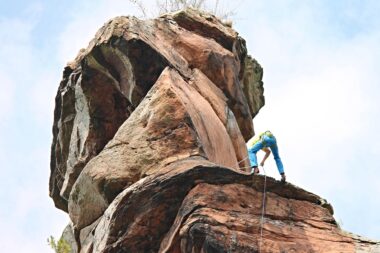
Rock climbing is a thrilling outdoor adventure sport that calls for specific skills. One essential ability is reading rock faces and routes effectively, which can enhance your climbing experience. Beginners often find climbing overwhelming due to uncertain routes or unfamiliar rock types. Understanding rock faces is vital as it helps climbers recognize holds, routes, and potential hazards. On a climbing trip, consider analyzing the rock features in your surroundings. The variations in texture, color, and geology can give clues to the climbing difficulty. Observe the rock’s features to identify which rocks offer the best holds, where the cracks are located, and how the rock layers might affect climbing. Furthermore, practice reading the rock’s flow to make swift determinations about its climbability. Try to locate features like ledges, overhangs, and potential resting spots. By systematically analyzing different sections of the rock face, you can plan your ascent better. Remember, learning to read routes takes practice and patience. Don’t hesitate to consult experienced climbers in your group to gain insights and share knowledge, fostering a supportive climbing community.
Once you have a grasp on the fundamentals, the next step involves understanding route information. Each climbing route is typically documented with its own details. Familiarize yourself with guidebooks or online resources that entail descriptions of various climbing routes. These resources often include essential details such as grade difficulty, length, and necessary gear. Additionally, they might highlight essential features or specifics about the climb, such as crux points. The crux represents the most challenging part of a climbing route. Understanding a route’s crux can prevent frustrating surprises during your ascent. Once you identify a route, visualize your climbing approach. Consider both the path you’ll take and the points at which you can rest or adjust your grip. As you evaluate the holds and movements required, determine which side of your body would benefit from specific placements. Employ a route reading technique to anticipate movements prior to trying them. This will improve your efficiency when climbing and decrease the likelihood of falling Going over routes multiple times beforehand can greatly enhance your understanding and execution while climbing.
Understanding Rock Types
Among the crucial aspects of reading rock faces is recognizing various rock types. Each type of rock behaves differently, significantly influencing the climb’s difficulty. Common rock types include granite, limestone, and sandstone, each presenting unique characteristics. Granite usually features solid holds like edges and pockets which provide excellent grip. In contrast, limestone may possess a smoother surface with varied features such as tufas and pockets. Grasping material differences allows climbers to execute techniques effectively. Supplement your knowledge by experimenting with different rock types on various climbs. This hands-on experience guarantees a greater understanding of how your body interacts with these rocks. Sandstone, though often softer, requires careful planning to avoid damaging the rock with your climbing shoes. Knowing when to use specific climbing techniques is crucial to ensure the protection of both the climber and the rock face itself. Additionally, learning how weather affects these rocks, like how moisture can change their grip quality, is vital for safety. Remember, each type of rock can greatly influence your climb and safety, therefore familiarizing yourself with these variations can lead to better climbing experiences.
Another significant aspect of reading rock faces relates to understanding holds and their types. Recognizing holds is essential for maximizing climbing capabilities. They typically fall into different categories such as crimps, jugs, slopers, and pinches. Crimps are small holds requiring a secure grip, while jugs are large enough to grab hold comfortably. Slopers are flatter and require careful balancing, which may challenge inexperienced climbers. Pinches require the use of opposing forces that engage different muscle groups. As you begin climbing, focus on honing your ability to identify and utilize those specific holds efficiently. While climbing, practice adjusting your grip based on the hold types you’re interacting with to maximize your efficiency on the ascent. Additionally, visualize potential holds before you reach them. This mental preparation can prevent mistakes and enhance your climbing fluidity. Understanding the technique required to engage various holds contributes to building your climbing repertoire and helps during challenging ascents. Familiarity with holds enables easier route navigation, allowing for smoother transitions in your climb as well, thereby enhancing overall performance.
Visualizing Your Climb
Preparing mentally is as crucial as physical training when it comes to rock climbing. Visualization can assist climbers in preempting movements and possible challenges they’ll face on a climb. Visualization entails mentally rehearsing the steps needed to complete a route efficiently. Begin by studying the climbing area and imagining how you’ll move through each section of the route before tackling it physically. If you’re familiar with climbing techniques, envision your body positioning and the holds you’ll utilize to ascend. This mental rehearsal enhances focus and boosts confidence essential for tackling challenging climbs. Remember that visualization is not merely about the technical aspects; it can help manage fears or anxieties surrounding particularly daunting climbs. By picturing success, climbers reinforce positive mindsets during actual climbs. Additionally, consider creating a mental map of your chosen route and identifying resting spots when necessary. This practice can significantly enhance decision-making during your ascent, leading to improved climbing outcomes. Overall, integrate visualizing strategies into your climbing routine for greater preparedness—it’s a potent tool in a climber’s arsenal that results in efficient and capable climbing.
Lastly, developing a supportive climbing community is essential for both safety and skills improvement. Engaging with others who share your climbing passion can enhance your understanding of reading rock faces and routes significantly. Consider joining local climbing clubs or participating in outdoor events to meet fellow climbers. Networking within the climbing community promotes knowledge sharing and access to experienced climbers who can provide valuable insights. Furthermore, more experienced climbers can serve as mentors. They can help beginners identify routes, provide technical assistance, and improve climbing skills. Working together with others encourages teamwork, leading to a more enjoyable climbing experience. Collaborating with others allows sharing various techniques and insights that can genuinely enrich your climbing repertoire. This practice builds camaraderie and rapport, making climbing a more enjoyable and safe endeavor. Lastly, always engage in responsible climbing practices within your community. Prioritize safety measures, adhere to guidelines, and maintain the integrity of outdoor climbing areas. Providing back to the community fosters a sustainable climbing environment and cultivates relationships that further enhance climbing skills.
Conclusion
Reading rock faces and routes is a vital skill every climber must develop. By understanding various rock features, holds, and techniques, you can improve your climbing experience immensely. With consistent practice and collaboration within your climbing community, you’ll find increased confidence when tackling new routes. Remember that each climb presents its unique challenges, and taking the time to analyze and visualize them will yield far greater results during ascents. Additionally, learning about the various rock types and their characteristics will provide insights that can be pivotal for climbers. Eventually, mastering the art of reading rock faces will not only improve climbing skills but also enhance personal safety and environmental responsibility. Rock climbing should not be merely about the physical ascent; it should include a comprehensive understanding of the surrounding climbs, the community aspect, and the importance of nature preservation. As you progress, remember to celebrate small successes and foster a growth mindset. Challenge yourself to continuously learn, not only from successes but also from setbacks. Equip yourself with this knowledge and skillset for an exhilarating climbing journey ahead.