
Common Mistakes to Avoid in Open Water Swimming
When transitioning from pool swimming to open water swimming, numerous common mistakes can hinder performance. A prevalent error among beginners is failing to acclimatize to the open water environment. New swimmers often don’t practice in actual conditions, creating anxiety when it’s time for an event. Prior to race day, consider doing practice swims in open water to familiarize yourself with temperature, currents, and visibility changes. Another frequent issue is neglecting sighting. Many swimmers focus solely on their strokes without regularly lifting their heads to orient themselves. This can lead to wandering off course, adding unnecessary distance. Establish a sighting rhythm, such as every three strokes, to help maintain a straight trajectory. Moreover, not using appropriate gear is a common oversight. Ensure you’re equipped with a proper wetsuit for warmth and buoyancy if required. It’s also essential to have a reliable swim cap and goggles that fit well. Each piece of gear plays a critical role in your comfort and performance in open water. Pay attention to these details, and you’ll notice significant improvements in your swimming effectiveness.
A prevalent mistake when exploring the open water swimming discipline is not paying attention to water conditions. Negotiating waves, currents, and tides can drastically affect your swim. Failing to understand these variables can lead to increased fatigue and a disorienting experience. Always verify the conditions before heading out, ensuring it’s safe for your swim. Riptides or strong currents can pose serious risks, making it essential to swim with a buddy or in designated swimming areas. Additionally, something novice swimmers overlook is the importance of proper warm-up before their swim. The open water demands different muscle engagement than pool swimming. Performing dynamic stretches to warm up can help prevent cramps. Practice various swim strokes and ensure your heart rate increases progressively. Following a proper warm-up routine will enhance your overall experience and performance. Equally important is neglecting hydration and nutrition before an open water session. Just because you’re in water doesn’t mean you won’t get dehydrated. Ensure a balanced meal prior to swimming, and always bring water for post-swim hydration. By incorporating these aspects into your routine, you’ll see marked improvements in stamina and performance during your open water swimming sessions.
Neglecting Proper Breath Control
One common mistake that open water swimmers make is neglecting breath control. Unlike swimming in a pool, where the walls provide a visual reference point for breath timing, open water presents additional challenges. The waves can disrupt your breathing, creating an uneven rhythm that hampers swimming efficiency. It’s crucial to practice bilateral breathing, enabling you to alternate sides while swimming. This skill not only enhances balance but also ensures that you’re comfortable breathing in varying water conditions. Additionally, panic can arise when a swimmer struggles to catch their breath. Practice relaxing and breathing deeply during training. Understanding how to maintain a steady oxygen intake will improve your overall comfort in open water. Additionally, never underestimate the value of mental preparation. Many swimmers fail to visualize their success in open water. Engaging in mental rehearsal techniques can prepare you for race conditions. Picture yourself swimming smoothly, handling waves, and maintaining calmness. Integrate these mental strategies into your training to build confidence. By mastering breath control, alternating breathing practices, and incorporating mental preparation, you’ll navigate open waters with greater ease and efficiency.
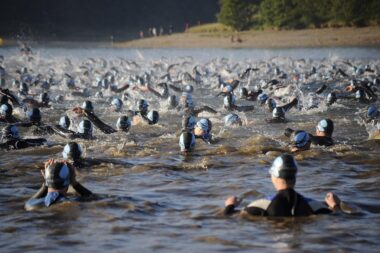
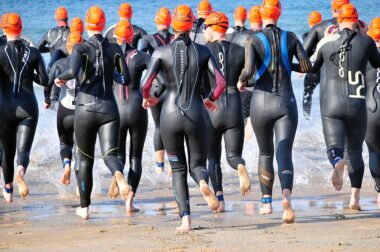
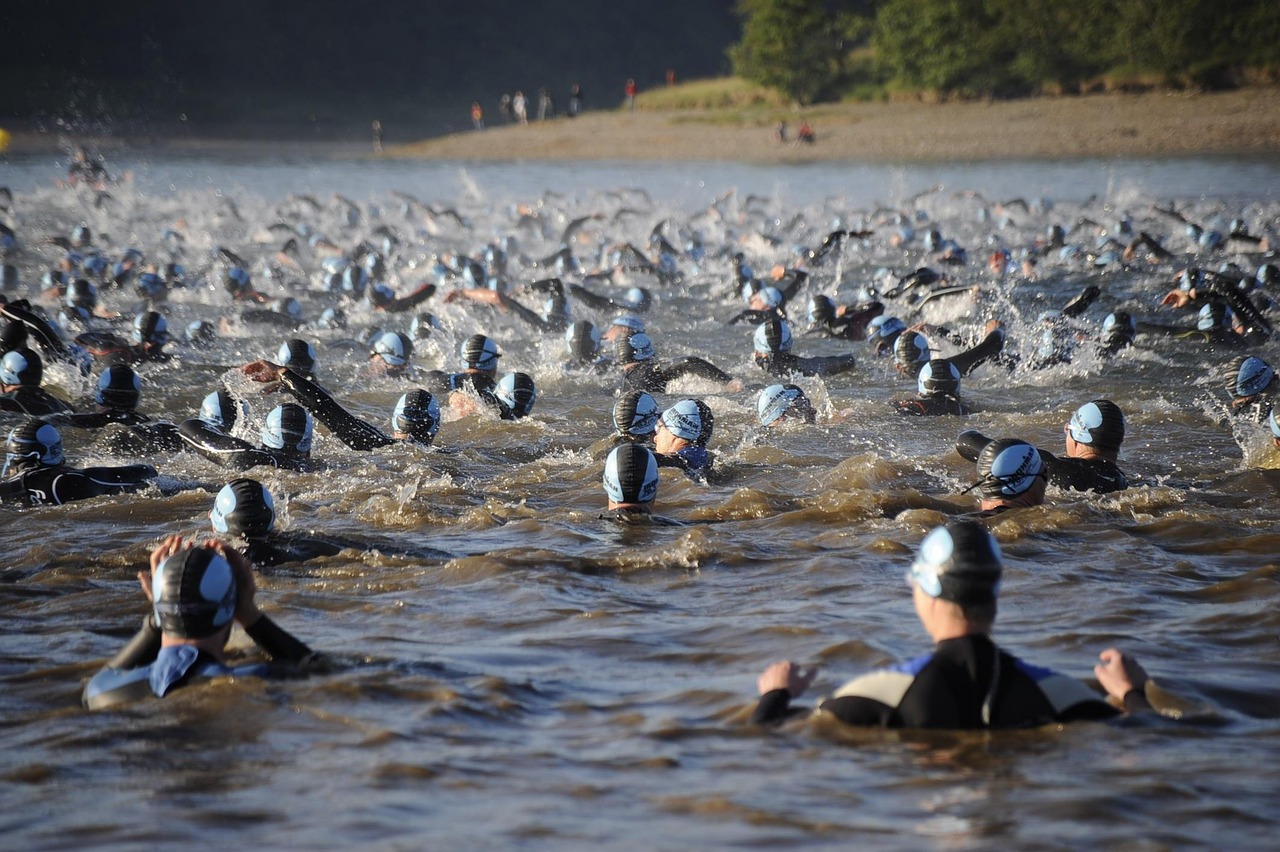
Another significant oversight made by many open water swimmers is failing to communicate and follow proper swimming etiquette. In a crowded race, it’s essential to be aware of fellow swimmers to avoid collisions or accidents. A lack of awareness can compromise safety and affect race results, so practice situational awareness during training. Before you dive in, familiarize yourself with the event’s start format and instructions. Be respectful and courteous to other swimmers, keeping your movements deliberate and controlled. Additionally, many swimmers disregard the importance of visibility for safety. Wearing bright-colored swim caps can significantly enhance visibility in open water. Ensure you are easily seen by lifeguards and fellow swimmers to minimize risks. Don’t be afraid to signal if you’re in trouble during your swim; this raises awareness around you, helping others assist if necessary. Lastly, some novice swimmers forget about the significance of gradually increasing open water swim durations. Rather than jumping into lengthy swims, start small and progressively work up. Consistent, shorter practice sessions lead to significant improvements over time, enhancing endurance and confidence. Adopting these etiquette and safety practices will lead to a better open water swimming experience overall.
The Importance of Effective Swimming Technique
Moreover, overlooking the importance of effective swimming technique is a common mistake among open water enthusiasts. Poor technique can lead to energy waste, eventually exhausting the swimmer. Make sure to focus on your stroke mechanics, aiming for a streamlined body position. Keep your head low, and methodically extend your arms forward while entering the water with your fingertips. This practice helps reduce drag, allowing for smoother glides through water. Practicing bilateral breathing, as discussed before, helps maintain technique and comfort. Additionally, it is vital to include interval training workouts focused on speed and endurance in your routine. These sessions enhance cardiovascular fitness and efficiency while improving your open water technique. Moreover, neglecting to diversify stroke training can affect one’s progress as well. Regularly switch between various strokes during practice, whether it’s freestyle, breaststroke, or backstroke. This multifaceted approach will not only enhance muscle endurance but also improve mental adaptability in varying conditions. Also, it is vital to seek candid feedback from coaches or experienced swimmers. Use their insights to refine your technique and make necessary adjustments. Prioritizing effective techniques will significantly impact your overall water performance, making swimming more enjoyable.
Often, swimmers struggle with pacing when they first delve into open water events. It’s common to start too fast without considering endurance over distance. Maintaining even pacing is crucial for longer swims, as it helps conserve energy and improves overall performance. During training, incorporate pacing drills to develop awareness of your speed and endurance levels. Monitor your heart rate and perceived effort, adjusting your swim speed accordingly to avoid fatigue while racing. Additionally, another common error is failing to adjust personal training plans to enhance adaptability to open water environments. Make sure to include a mix of distance swimming, interval training, and speed work, tailored to mimic open water conditions. Regularly practice in varying water conditions to familiarize yourself with temperature shifts, currents, and waves. To maximize your efforts, ensure a proper recovery plan post-training. Treat your body well with rest days, stretching, and nutrition tailored to restore energy levels. Lastly, integrating recovery techniques into your routine prepares you for continuous training demands. Understanding these pacing strategies and recovery protocols will lead to greater comfort and performance improvements in open water swimming events.
Final Thoughts on Open Water Swimming
Lastly, many swimmers fail to thoroughly prepare for the psychological challenges associated with open water swimming. Anxiety often arises from unfamiliar surroundings and unpredictable conditions, which can be detrimental to performance. Emphasize mental resilience during your training sessions. Visualize swimming calmly and efficiently, focusing on your techniques rather than your surroundings. Additionally, ensure that you are gradually exposing yourself to open water situations. Frequent practice builds confidence and reduces anxiety. Incorporate breathing exercises into your routine, fostering a sense of calm before and during your swim. Some swimmers benefit from learning relaxation techniques or mindfulness practices. This can help alleviate pre-race nerves or post-start chaos during crowded events. Moreover, participating in various events will allow you to gain experience and develop strategies for calming nerves. As you navigate each challenge, your confidence in managing future open water races will improve. In summary, by avoiding common mistakes discussed and implementing effective strategies on training techniques, sighting, and mental preparation, your overall open water swimming experiences will significantly improve, leading to more successful and enjoyable outcomes in races and practice sessions alike.
In conclusion, mastering open water swimming requires understanding and avoiding common pitfalls that hinder performance. This extensive article outlined key mistakes such as neglecting acclimatization, poor breathing techniques, communication errors, ineffective swimming techniques, and pacing challenges. To excel in open water, swimmers must practice in diverse conditions, focus on their mental and physical preparedness, and maintain consistency. Furthermore, it is essential to blend technical skills with proper etiquette and safety measures to enhance overall performance. Swimmers must recognize the importance of hydrating, nourishing their bodies, and utilizing feedback from seasoned swimmers to refine their technique. By gradually increasing swim durations and being mindful of recovery protocols, swimmers foster endurance and resilience. As each race approaches, visualize performances that showcase the skills developed in training. This mental fortitude, combined with practical knowledge, culminates in a successful open water experience. Ultimately, the key to becoming a confident open water swimmer lies in acknowledging and learning from these common mistakes. Embrace the challenges of open water swimming, and take the necessary steps to improve performance and enjoy a fulfilling aquatic journey.