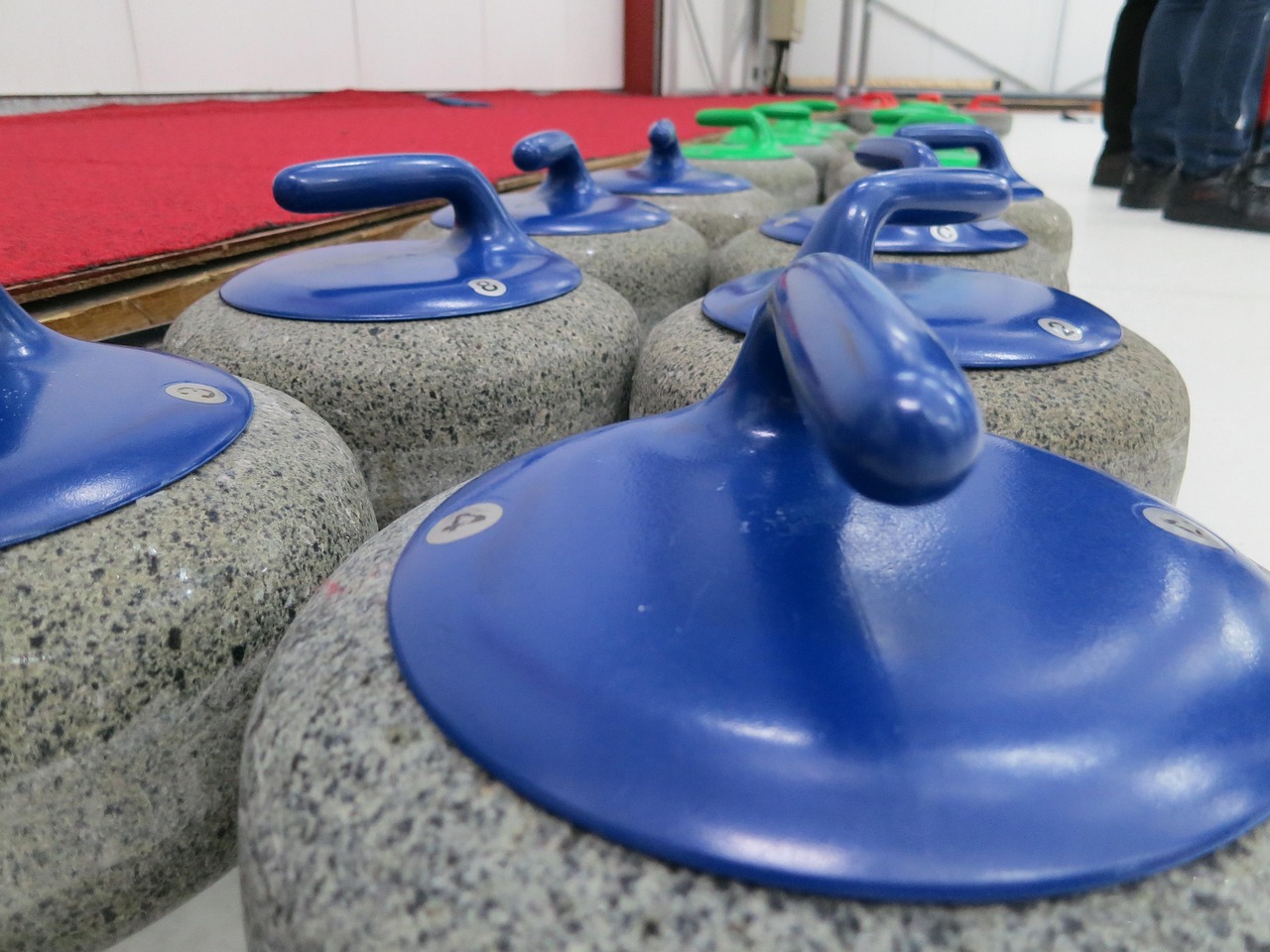

Curling Workout Plans: Strength and Endurance Training
Curling is a sport that requires not only precision but also strength and endurance. When creating a workout plan for curling, it’s essential to integrate exercises that enhance core strength, flexibility, and cardiovascular fitness. A focused routine can help players improve their overall performance and stamina on the ice. Begin your regimen with warm-up exercises, which might include dynamic stretching or light cardio activities. Incorporate movements that mimic the motions used in curling, such as lunges and squats. These can enhance leg strength and flexibility. Furthermore, specific strength training sessions should target the upper body to build the necessary muscle groups for delivering stones. Consider using resistance bands or free weights for exercises such as shoulder presses and rows. The key is to maintain consistent training and increase intensity gradually. End each session with cooldown exercises, focusing on stretching out tired muscles. This balanced approach can prevent injuries while maximizing your curling skills. Consult with a coach or fitness professional to tailor your plan more closely to your individual needs and goals involving this intricately skilled sport.
Core Strength Development for Curling Success
Maintaining a strong core is vital for curlers to deliver stones accurately and maintain balance on the ice. Core strength development workouts should consist of both stabilization and dynamic movements. Begin with planks and side planks, which engage multiple muscle groups and build endurance. Gradually advance to more challenging variations such as elevated planks and bird-dogs. Additionally, implement rotational exercises, using a medicine ball or weight, to mimic the twisting motion involved in curling. Exercises like Russian twists or woodchoppers are particularly effective. Remember to include bodyweight exercises like mountain climbers or flutter kicks, as these enhance both core strength and cardiovascular fitness. For added resistance, kettlebells can be incorporated for exercises such as Turkish get-ups. Core workouts should be a mix of isometric and dynamic movements for maximum effect. A focus on core strength not only increases stability but also helps in maintaining proper posture while sliding on the ice. It’s important to remain mindful of how muscle engagement affects your performance. Always listen to your body and consult fitness professionals or coaches for proper techniques and injury prevention tips.
Curling also requires excellent leg strength and endurance, making lower body workouts essential for any serious athlete. Effective training includes squats and deadlifts, which target the quads, hamstrings, and glutes. Both exercises should be done with proper form to avoid injury. Gradually increase the weights as strength improves over time, helping to build endurance for matches that often extend over hours. Additionally, incorporate lunges and step-ups into your routine; these mimic the natural movements made during gameplay. Plyometric exercises, which involve explosive movements, can also be very beneficial. Box jumps or jump squats can help increase strength and power output. It’s beneficial to combine strength training with cardio workouts, such as running or cycling, to enhance overall endurance. It’s crucial to work on flexibility as well. Stretching beforehand can prevent injuries and aid in recovery after workouts. A balanced approach, blending strength training with endurance and flexibility activities, means curlers can maximize their performance on the ice. Consistently working on these elements will ensure athletes are prepared for increasingly competitive environments in curling.
Enhancing Endurance through Interval Training
Endurance is a critical component of curling, especially during extended matches. Interval training is an effective method for increasing stamina, which involves alternating periods of high-intensity activity with lower-intensity recovery. For curlers, this could look like sprinting for 1 minute, followed by 2 minutes of walking or light jogging. Aim to repeat this cycle several times during a workout. Another approach is to incorporate hill workouts into your routine. Running uphill builds both leg strength and cardiovascular endurance simultaneously. Consider cycling as well; cycling on varied terrains can mimic the push-pull dynamics involved in curling. Incorporate agility drills that require explosive movements, such as ladder drills or cone sprints, to increase foot speed and agility, both of which are necessary for quick adjustments on the ice. Maintain a regular schedule of endurance training, complementing it with strength work to create a holistic training program. Proper hydration and nutrition are also important factors in optimizing performance during practice and competitive events. Ensure to adjust your training as the competitive season approaches, focusing on maintaining your peak endurance levels.
To improve curlers’ strategic abilities, mental conditioning should also be included in workout plans. Mental preparation and visualization techniques are crucial components in enhancing performance. Athletes can practice visualization by picturing themselves succeeding in various game scenarios, enabling quicker decision-making during competitions. This mental training can complement physical workouts effectively. Practicing mindfulness through meditation can also help athletes learn to focus, reducing performance anxiety. Structure training sessions to include calming activities allowing curlers to mentally rehearse techniques while developing composure. Consider collaborating with a sports psychologist to develop mental resilience. Watching videos of professional curlers can help build strategic insights and game awareness, allowing athletes to analyze techniques and strategies employed during matches. Encourage teamwork and communication with other players; discussing techniques and strategies enhances understanding. Additionally, maintaining a positive mindset toward training challenges is essential for growth. Building mental fortitude will improve performance under pressure, keeping athletes sharp in tight competition contexts. Regular mental conditioning can mitigate fatigue and elevate overall game performance, showcasing that curling is as much a mental challenge as it is a physical contest.
Nutrition Strategies for Optimal Performance
Nutrition plays a pivotal role in maximizing performance in curling, necessitating a well-balanced diet for athletes. Focus on consuming whole foods, including lean proteins, whole grains, fruits, and vegetables, as they provide essential nutrients. Carbohydrates are especially crucial for energy; therefore, athletes should aim to consume complex carbohydrates such as brown rice, quinoa, or sweet potatoes before matches. These foods release energy steadily during performance. Protein sources should include chicken, fish, or plant-based options to support muscle recovery. Additionally, hydration is vital; athletes should ensure they’re drinking adequate water in the days leading up to a match and throughout their workouts. Electrolytes can be helpful, especially during intense training sessions. Sports drinks may be beneficial for long practice sessions, but they should be consumed in moderation. Plan meals or snacks around training schedules to maintain energy levels; consider quick snacks like protein bars or smoothies for convenience. Pre-game fueling can enhance performance, influencing both endurance and strength. Consulting a nutritionist can help create a personalized diet plan for optimal results, ensuring that nutrition supports training and competitive goals effectively.
Recovery is just as important as training when it comes to curling workout plans. Incorporating recovery strategies into a training regimen can prevent injuries and enhance performance. Active recovery, which includes low-intensity exercises or gentle stretching, can help the body recuperate effectively after intense training sessions. Techniques such as foam rolling or massage can alleviate soreness and increase blood flow to tired muscles. Additionally, scheduling rest days is crucial for muscle repair and preventing burnout. Consider incorporating yoga into your routine, promoting both physical recovery and mental relaxation. Quality sleep should also be prioritized, as it is essential for overall health and recovery. Athletes should aim for a consistent sleep schedule to help regulate their body’s rhythm. Monitoring physical conditions can prevent overtraining and signal when adjustments are necessary. Supplements, while optional, can enhance recovery by addressing nutritional gaps. Incorporate them carefully, ensuring they’re safe and beneficial. Ultimately, effective recovery strategies enhance your capacity to train consistently, positioning you for success in curling, allowing a focus on refining skills and game strategies without physical limitations.